
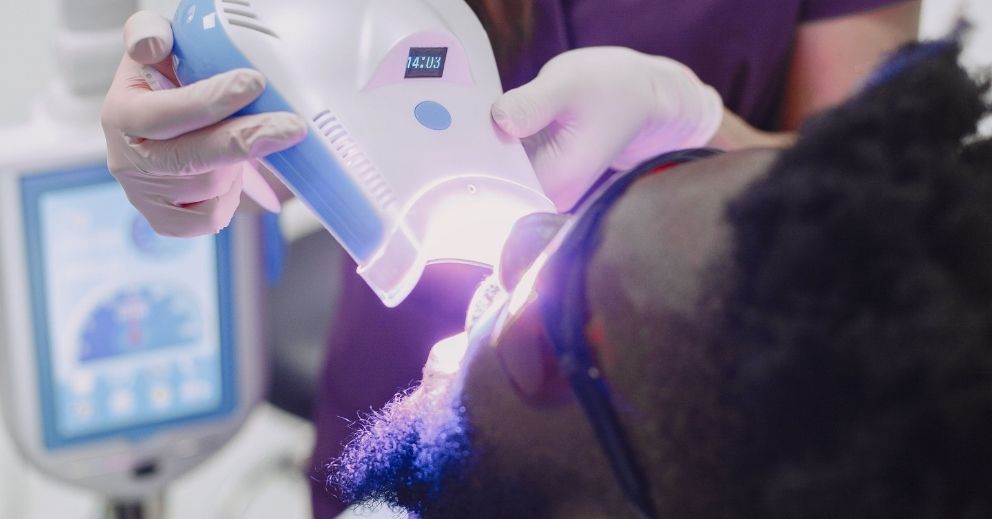
Teeth Whitening Myths You Shouldn't Believe
Everyone seems to have an opinion on teeth whitening. Your mate swears lemon juice works. Your cousin reckons charcoal toothpaste changed her life. Someone on social media says whitening ruins your enamel forever.
With so much conflicting advice floating around, it’s hard to know what’s actually true. So let’s clear things up and look at the most common teeth whitening myths, and what the evidence actually says.
TLDR: Many popular whitening beliefs, from charcoal toothpaste to lemon juice hacks, aren’t backed by evidence and can actually damage your teeth. Professional whitening, done properly and with guidance from a dentist, remains the safest and most reliable way to brighten your smile.
Common Teeth Whitening Myths That Won’t Go Away
Some myths stick around simply because they sound believable. Others spread because a whitening product markets itself using half-truths. Either way, it pays to know fact from fiction before you try anything on your teeth.
Myth: Whitening Damages Your Enamel
This is probably the most persistent myth out there. Professional whitening products, used correctly, don’t strip away enamel.
They work by breaking down stain molecules sitting within the tooth structure. Enamel damage usually comes from misuse, like leaving whitening gel on too long or using harsh, unregulated products bought online.
Myth: Charcoal Toothpaste Is a Safe Whitening Alternative
Charcoal toothpaste has had a big moment on social media, but the abrasiveness that makes it feel like it’s “working” is actually the problem. It can wear down enamel over time, which may make teeth look more yellow, not less, since it exposes the dentine underneath.
- Charcoal doesn’t have strong scientific backing for whitening claims
- Abrasive ingredients can increase tooth sensitivity
- Long term use may do more harm than good
Myth: Lemon Juice or Baking Soda Hacks Actually Whiten Teeth
DIY hacks involving lemon juice, baking soda, or vinegar rinses show up constantly online. Acidic ingredients like lemon juice can erode enamel, and once enamel is gone, it doesn’t grow back.
Baking soda is mildly abrasive too, so while it might remove some surface residue, it’s not a long term whitening solution and can be risky with regular use.
Whitening Myths About Who It’s Right For
Another batch of myths centres around who can or can’t get their teeth whitened. This is where a proper check up really helps, since everyone’s teeth and dental history are different.
Myth: Anyone Can Whiten Their Teeth Safely at Home
Not everyone is a good candidate for whitening, especially without professional guidance. People with untreated tooth decay, gum disease, or worn enamel can experience pain or sensitivity from whitening products.
A dentist can check for these issues first, so you’re not masking a bigger problem with a cosmetic fix.
Myth: Whitening Works the Same on Every Tooth
Whitening doesn’t affect crowns, veneers, or fillings the way it affects natural enamel. This means if you’ve had dental work done, your teeth could end up an uneven colour after whitening.
This is one of the biggest reasons a chat with a dentist beforehand matters. They can tell you what result to realistically expect.
Myth: Whitening Is Only About Vanity
There’s nothing wrong with wanting a brighter smile, but plenty of people also whiten their teeth as part of general dental maintenance, before a big event, or simply because it boosts their confidence in everyday situations. It’s a personal choice, not something that needs justifying.
Myths About Whitening Results and How Long They Last
Expectations around results are another area full of myths. Understanding what whitening can and can’t do helps you avoid disappointment.
Myth: Whitening Results Are Permanent
Whitening isn’t a one-and-done fix. Teeth naturally pick up stains again over time from food, drinks, and everyday wear.
How long results last depends on your habits, particularly coffee, tea, red wine, and smoking.
Myth: Over-the-Counter Kits Give the Same Results as Professional Whitening
Store-bought whitening strips and kits can lighten teeth slightly, but they generally use a much lower concentration of whitening ingredient than professional treatments. That’s partly a safety measure, since these products aren’t applied under professional supervision.
- Professional whitening is monitored and tailored to your teeth
- Concentration levels are higher and more controlled
- Results tend to be more even and longer lasting
Myth: Whiter Always Means Healthier
Tooth colour and tooth health aren’t the same thing. Naturally, some people have slightly yellow-toned enamel that is perfectly healthy, while very white teeth aren’t automatically a sign of good dental health.
Whitening is a cosmetic choice, not a health indicator, and it’s worth remembering that distinction.
Myths About Sensitivity and Side Effects
Sensitivity is one of the most talked about side effects of whitening, and it’s often misunderstood.
Myth: Sensitivity Means Whitening Is Ruining Your Teeth
Mild, temporary sensitivity is common with whitening and doesn’t necessarily mean damage is happening. It usually settles down within a day or two after treatment.
If sensitivity is severe or lasts much longer, that’s worth mentioning to your dentist, since it could point to an underlying issue.
Myth: You Can’t Do Anything to Reduce Sensitivity
There are ways to manage it, including using desensitising toothpaste before and after treatment, spacing out sessions, or adjusting the strength of the whitening product used. A dentist can tailor the approach so whitening feels comfortable rather than something to dread.
Get the Facts Before Whitening Your Teeth
If you’ve been relying on myths to guide your whitening decisions, it might be time for a proper chat with someone who can look at your teeth directly. The team at Redlands Dental can talk you through safe, realistic options for teeth whitening based on what’s actually going on in your mouth, not what you’ve read online. It’s a straightforward first step towards a brighter smile without the guesswork.
Book a consultation with Redlands Dental today.
Key Takeaways
- Charcoal toothpaste and DIY acidic hacks can wear down enamel rather than whiten it safely
- Professional whitening is generally more controlled, even, and predictable than at-home kits
- Not everyone is a suitable candidate for whitening without a dental check first
- Crowns, veneers, and fillings don’t whiten the same way natural teeth do
- Whitening results fade over time and aren’t a permanent fix
- Mild sensitivity is common and manageable, but it’s worth discussing with your dentist if it lingers
FAQ
How do I know if my teeth are suitable for whitening?
The best way is to have a dental check first, since untreated decay, gum issues, or existing dental work can affect both safety and results. A dentist can look at your teeth and let you know what to expect before you start.
How often can teeth whitening be repeated?
This depends on the whitening method used and your natural staining habits, like coffee or tea consumption. Many people top up their whitening every so often rather than repeating it constantly, since overdoing it can increase sensitivity.
Will whitening work on stains from medication or ageing?
Some deeper or internal stains, such as those from certain medications, don’t always respond as well to standard whitening treatments. A dentist can assess the type of staining and suggest whether whitening or another cosmetic option is more appropriate.
Is it normal for teeth to look patchy right after whitening?
Slight unevenness can happen initially, especially if you have crowns, veneers, or fillings that don’t respond to whitening the same way natural teeth do. This usually becomes more noticeable rather than something that develops later, which is why discussing your dental history beforehand matters.
What should I avoid eating or drinking after whitening?
Teeth are often more porous and prone to staining in the first day or two after treatment, so it helps to avoid strongly coloured foods and drinks like red wine, coffee, and berries during that window. Sticking to lighter coloured foods for a short period can help results last longer.



 Unhappy With My Smile
 I Have Missing Teeth
 Unhappy With My Dentures
 My Teeth Are Stained or Discolored
 Considering Teeth Straightening
 I Have A Dental Emergency
 Seeking Smile Improvement
 Help With Dental Anxiety
 General Dentistry
 Cosmetic Dentistry
 Restorative Dentistry
 Dental Implants
 Dental Veneers
 Invisalign
 Emergency Dentist
 Sedation and Sleep Dentistry