
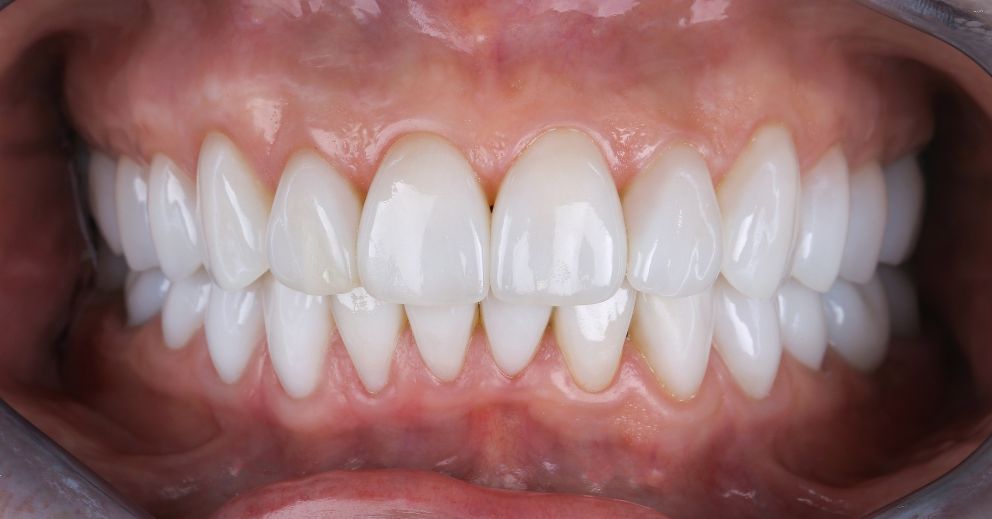
Common Issues with Veneers and How They're Fixed
Here’s a myth worth busting straight away: veneers are not a “set and forget” treatment. A lot of people assume that once they’re fitted, they’ll look perfect forever with zero maintenance and zero risk of anything going wrong. That’s simply not how it works.
Veneers are a thin shell bonded to the front of your tooth, and like anything bonded or man-made in your mouth, they can chip, stain, loosen, or feel wrong against your bite over time. The good news is that most of these issues are common, well understood, and fixable. Knowing what can go wrong (and why) helps you spot problems early and get them sorted before they turn into something bigger.
TLDR: Veneers can chip, crack, stain, come loose, or feel uneven against your bite, and most of these problems are minor and fixable rather than signs of failure. Catching issues early and seeing your dentist quickly usually means a simple repair rather than a full replacement.
Why Veneers Sometimes Run Into Trouble
Veneers are strong, but they’re not indestructible. They’re thin layers of porcelain or composite resin bonded over your natural tooth, which means they rely on a good bond, a well-balanced bite, and reasonable care to hold up long term.
Everyday Habits That Put Pressure on Veneers
- Chewing ice, pens, or fingernails
- Using your teeth to open packets
- Grinding or clenching at night
- Biting into very hard foods like nuts or hard lollies
Bonding and Fit Problems
Sometimes the issue isn’t what you’re doing, it’s how the veneer was fitted in the first place. If the bond wasn’t strong enough, or the veneer edge doesn’t sit quite right against your gum line, problems can show up months or even years later.
Chipped or Cracked Veneers
This is probably the most common complaint. Porcelain is hard but brittle, so a knock to the face, grinding, or biting something unexpectedly hard can cause a small chip along the edge.
Signs Your Veneer Might Be Chipped
- A rough edge you can feel with your tongue
- A visible notch or crack near the biting edge
- Sudden sensitivity in that specific tooth
How Chips Are Usually Fixed
Small chips can often be smoothed or repaired with composite resin, matched to your existing shade. Larger chips or cracks usually mean the veneer needs to be replaced entirely, since a compromised shell won’t protect the tooth underneath properly.
Veneers Coming Loose or Falling Off
A veneer that feels loose is not something to sit on. It’s usually a sign the bonding cement has broken down, sometimes from decay underneath, sometimes just from wear over time.
What Causes Debonding
- Weakened cement from years of wear
- Decay developing under the veneer edge
- Trauma from a knock or fall
- Poor bonding technique at the original fitting
What Happens at the Dentist
If the veneer has come off completely, bring it with you. Your dentist will check the tooth underneath for decay, clean the surface, and rebond the veneer if it’s still in good condition. If it’s cracked or the fit is no longer right, a new veneer will be made.
Stained or Discoloured Veneers
Porcelain veneers resist staining fairly well, but composite resin veneers are more porous and can pick up colour from coffee, tea, red wine, and smoking over time. Discolouration can also happen at the edge where the veneer meets your natural tooth.
Why Staining Happens Unevenly
You might notice your veneers look fine but your natural teeth around them have darkened, or vice versa. This happens because veneers don’t whiten with regular whitening treatments the way natural enamel does, so over time the shades can drift apart.
Fixing Discolouration
- Professional cleaning to remove surface stains
- Polishing for composite veneers
- Replacement veneers if staining is deep or the shade mismatch is obvious
- Whitening natural teeth first, before any new veneers are made, to match shades properly
Gum Irritation and Sensitivity Around Veneers
Some people notice their gums look red or feel tender around a veneer, especially soon after it’s fitted. This is often temporary, but persistent irritation is worth checking.
Common Reasons for Gum Discomfort
- A veneer edge that sits slightly too far under the gum
- Excess cement left behind during bonding
- Gum recession exposing part of the tooth root
- Poor oral hygiene around the veneer edge
Sensitivity to Hot, Cold, or Pressure
A small amount of sensitivity after getting veneers fitted is normal and usually settles within a couple of weeks. If it lingers or gets worse, it can point to a bite that’s slightly off or a nerve that’s reacting to the preparation process.
Bite Problems and an Uneven Feel
Veneers need to sit in harmony with the rest of your bite. If one veneer is slightly too thick or positioned a touch differently to your natural tooth, you might notice your teeth don’t meet evenly when you bite down.
What an Uneven Bite Can Lead To
- Jaw discomfort or headaches
- Extra wear on the opposing teeth
- A veneer that chips more easily because it’s taking uneven pressure
How Bite Adjustments Work
This is usually a straightforward fix. Your dentist checks your bite with articulating paper (a thin coloured strip that marks contact points) and gently adjusts the high spots until everything meets evenly.
Getting Veneer Issues Looked At Sooner Rather Than Later
If something feels off with your veneers, whether it’s a rough edge, sensitivity or a veneer that’s come loose, it’s worth getting it checked rather than waiting it out. The team at Redlands Gentle Dental Care can take a look, work out what’s going on and talk you through the best way to fix it.
Key Takeaways
- Chips, stains, looseness, and bite issues are common veneer problems, not signs the treatment has failed
- Most issues are fixable with a repair, rebonding, or adjustment rather than starting from scratch
- Composite veneers stain more easily than porcelain and may need more regular polishing
- A loose or chipped veneer should be checked promptly to avoid decay developing underneath
- Grinding, nail biting, and chewing hard objects are avoidable habits that shorten veneer lifespan
- Regular dental check-ups catch small veneer problems before they become bigger, costlier ones
FAQ
How long do veneers usually last before they need attention?
Porcelain veneers typically last well over a decade with good care, while composite veneers often need attention sooner, sometimes within five to seven years. Lifespan really depends on your bite, habits, and how well you look after them day to day.
Can I get a single veneer repaired without replacing the whole smile?
Yes, in most cases only the affected tooth needs attention. Your dentist will try to match the shade and shape to your existing veneers so the repair blends in rather than standing out.
Will fixing a veneer problem hurt?
Most repairs, like smoothing a chip or rebonding a loose veneer, are quick and don’t require any anaesthetic. If decay is found underneath or the tooth needs reshaping, your dentist will numb the area first so you’re comfortable throughout.
Is it my fault if a veneer chips or comes loose?
Not necessarily. While habits like nail biting or grinding can contribute, veneers can also chip or loosen due to normal wear, ageing cement, or how they were originally bonded. It’s worth having it assessed rather than assuming you’ve done something wrong.
What should I do if a veneer problem happens outside business hours?
If a veneer chips or falls off, keep the piece if you can find it and avoid chewing on that side until you’re seen. It’s not usually a dental emergency unless there’s pain or a sharp edge cutting your cheek or tongue, but getting it looked at within a few days is a good idea.



 Unhappy With My Smile
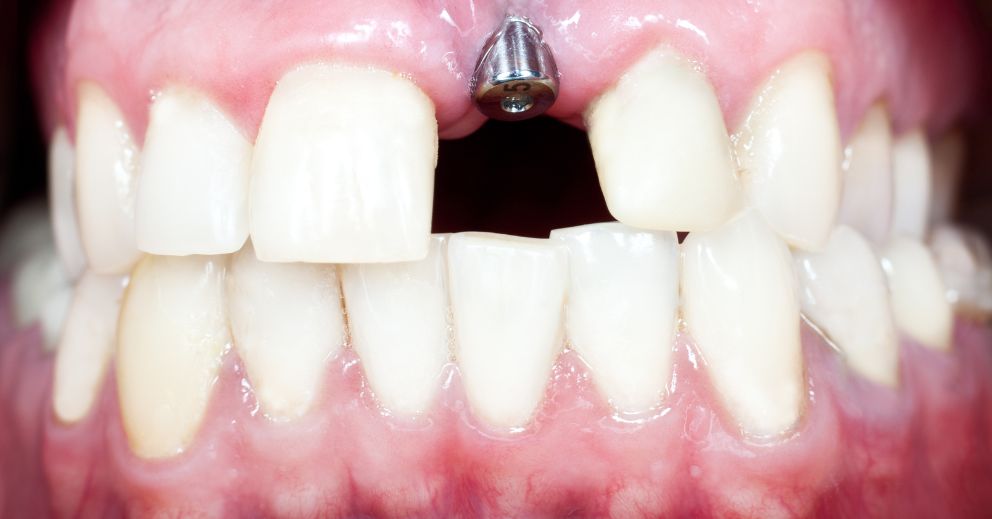
 I Have Missing Teeth
 Unhappy With My Dentures
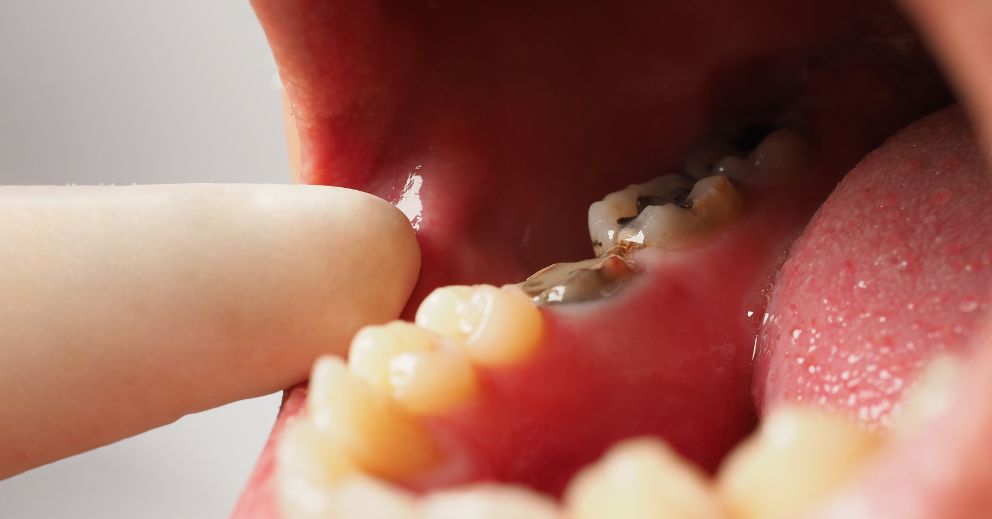
 My Teeth Are Stained or Discolored
 Considering Teeth Straightening
 I Have A Dental Emergency
 Seeking Smile Improvement
 Help With Dental Anxiety
 General Dentistry
 Cosmetic Dentistry
 Restorative Dentistry
 Dental Implants
 Dental Veneers
 Invisalign
 Emergency Dentist
 Sedation and Sleep Dentistry