

How Often Should Kids Visit the Dentist? A Parent's Guide
Here’s a simple way to think about it: pick a birthday or a school term date, mark it in the calendar, and book a dental check-up around it every six months. That one habit solves most of the guesswork parents face when it comes to kids and dental care.
This guide walks you through exactly how often kids should see a dentist, what happens at each stage, and how to spot the signs that mean a visit shouldn’t wait.
TLDR: Most kids should visit the dentist every six months, starting from their first birthday or when their first tooth appears. Some children need more frequent visits depending on their risk of decay, orthodontic needs, or anxiety around dental care. Regular check-ups catch small problems early and help kids build a positive relationship with the dentist.
Setting Up a Six-Monthly Rhythm for Kids’ Dental Visits
The general rule Australian dentists recommend is a check-up every six months, starting from around your child’s first birthday. This isn’t an arbitrary number. Kids’ mouths change fast, with new teeth coming through, old ones falling out, and habits like thumb sucking or diet shifting constantly.
A six month gap gives your dentist enough time to track those changes without letting a small issue turn into a bigger one. It also means your child gets used to the dentist chair early, which makes future visits far less stressful.
Why Six Months Works for Most Families
- Catches early decay before it needs a filling
- Tracks how baby teeth are making way for adult teeth
- Builds familiarity so kids aren’t anxious at appointments
- Gives parents a chance to ask about brushing, diet, or habits
When Your Child Might Need More Frequent Visits
Some kids need to be seen more often than every six months. This isn’t unusual and doesn’t mean anything’s gone wrong, it just means their dentist wants to keep a closer eye on things.
- A history of cavities or fillings
- Braces or other orthodontic treatment in progress
- Grinding teeth at night
- A diet high in sugary snacks or drinks
- Dry mouth from asthma medication or mouth breathing
A Step-by-Step Guide to Booking the Right Check-Ups by Age
Different ages call for slightly different approaches. Here’s how the timeline usually plays out as your child grows.
First Tooth to First Birthday
The Australian Dental Association recommends a first dental visit by age one, or within six months of the first tooth appearing. This early check-up is mostly about prevention. Your dentist will look at how teeth are coming through and give you tips on cleaning tiny teeth and gums.
Toddlers and Preschoolers (Ages 2 to 5)
This is when the full set of baby teeth comes in, so six-monthly visits matter. Decay in baby teeth can affect the adult teeth growing underneath, so it’s worth staying on top of it even though these teeth will eventually fall out.
Primary School Years (Ages 6 to 12)
Adult teeth start arriving around age six, often alongside baby teeth still hanging around. Regular check-ups help your dentist monitor this transition and pick up early signs of crowding or bite issues that might need attention later.
Tweens and Teens (Ages 12 and Up)
Wisdom teeth, orthodontic needs, and independence around brushing habits all come into play here. Six-monthly visits still apply, though some teens with braces might be in the chair more often for adjustments.
Signs Your Child Might Need a Dental Visit Sooner
Even with a solid six-month routine, some signs mean you shouldn’t wait for the next scheduled appointment.
Physical Signs to Watch For
- Complaining of tooth pain or sensitivity to hot and cold
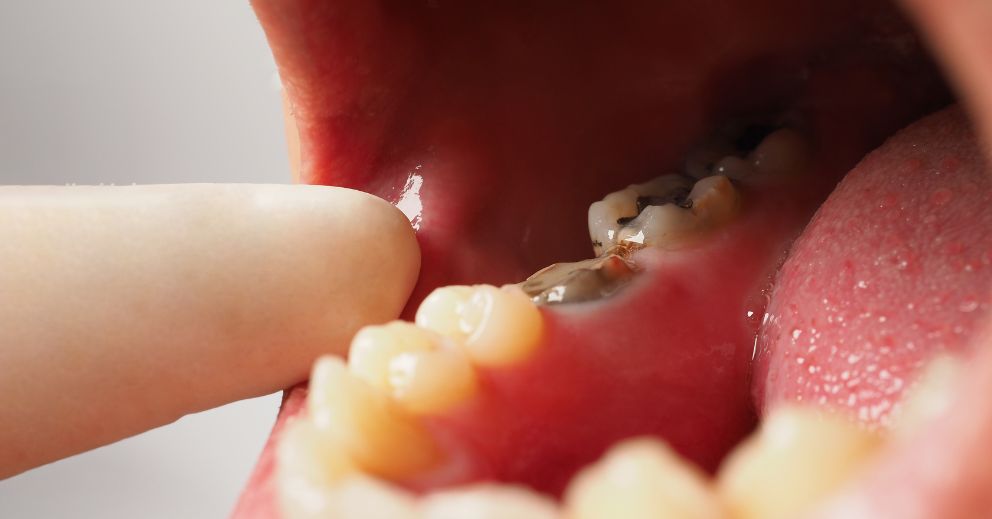
- Visible white or brown spots on teeth
- Swollen or bleeding gums
- A knocked out or chipped tooth from a fall or sports injury
Behavioural Signs to Watch For
- Avoiding certain foods because chewing seems uncomfortable
- Persistent bad breath
- Reluctance to brush a particular part of the mouth
If you notice any of these, it’s worth booking in rather than waiting it out. Small problems are much easier and cheaper to fix early.
Making Dental Visits Easier for Anxious Kids
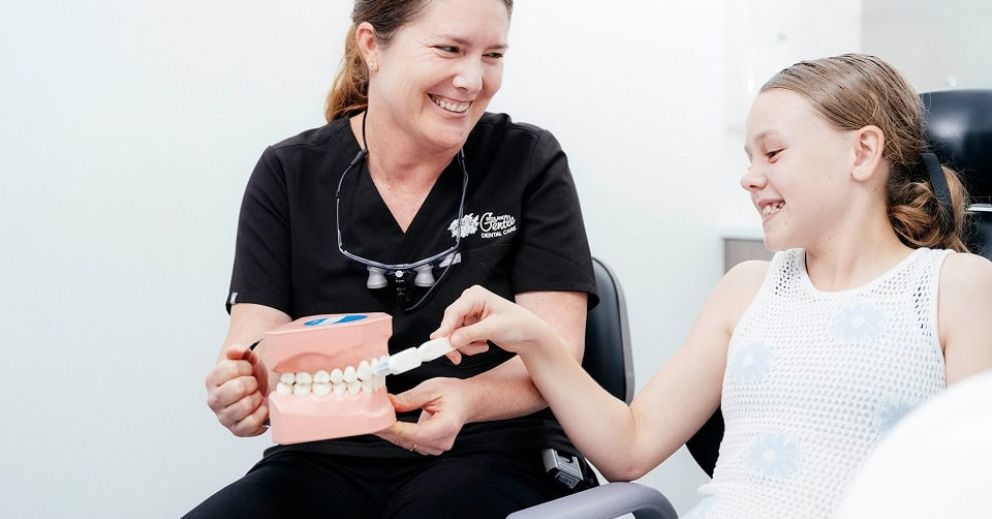
Plenty of kids feel nervous about the dentist, and that’s completely normal. The good news is that regular visits, done in a calm and friendly way, are one of the best tools for reducing that anxiety over time.
What Helps at Home Before a Visit
- Talk about the visit in simple, positive terms
- Avoid using the dentist as a threat (“behave or you’ll need a filling”)
- Read a book or watch a short video about visiting the dentist
- Let them bring a favourite toy for comfort
What a Family Friendly Practice Can Offer
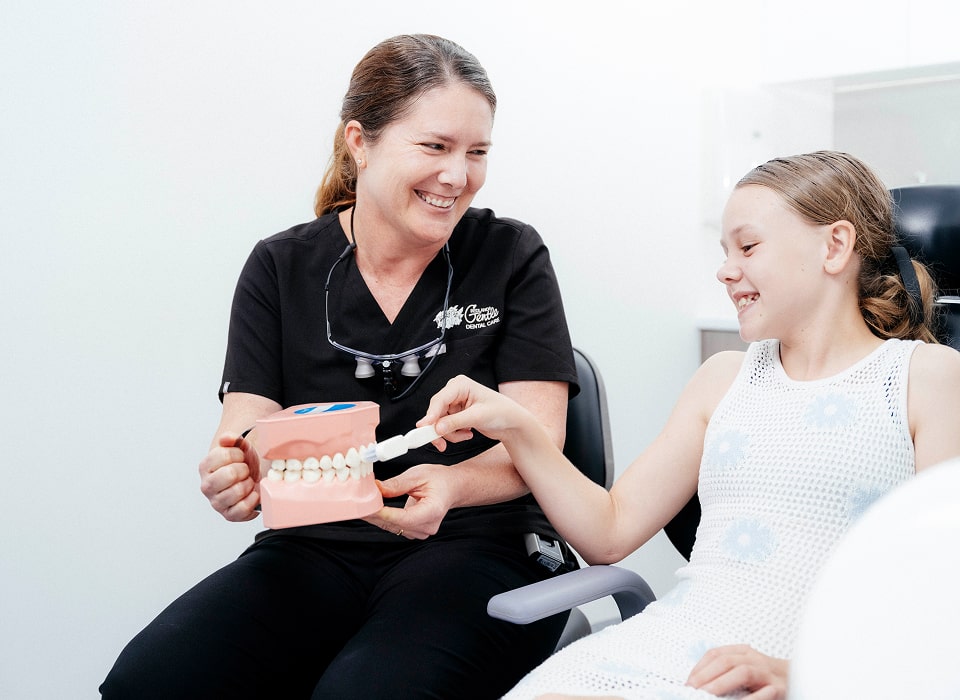
A practice experienced with kids will usually take things slowly, explain each step in child friendly language, and let your child sit in the chair without any procedure the first time if needed. At Redlands Dental, appointments are paced to suit the child, not rushed to fit a schedule, which makes a real difference for kids who need a bit more time to feel comfortable.
Build Healthy Dental Habits From an Early Age
If it’s time to book your child’s next check-up, the team at Redlands Dental can help you set up a routine that suits their age and needs. Getting into a steady rhythm now makes dental visits a normal, stress-free part of growing up.
Key Takeaways
- Most kids should see a dentist every six months, starting from their first birthday
- Some children need more frequent visits due to decay risk, orthodontics, or grinding
- Watch for pain, sensitivity, or behavioural changes that mean a visit shouldn’t wait
- Early, calm visits help build a positive lifelong relationship with dental care
- A family friendly approach makes a big difference for anxious kids
FAQ
Can baby teeth cavities really affect adult teeth underneath?
Yes, untreated decay in baby teeth can spread infection toward the developing adult tooth below it. It can also cause the baby tooth to be lost too early, which sometimes affects how the adult tooth comes through and how much space it has.
What should I do if my child chips a tooth playing sport?
Rinse the area gently, keep any broken piece if you can find it, and book an emergency dental appointment as soon as possible. Even if the tooth isn’t causing pain, it’s worth having it checked in case the nerve has been affected.
Does fluoride toothpaste matter for very young kids?
Yes, a small smear of low-fluoride toothpaste is generally recommended once teeth start appearing, moving to a pea-sized amount around age three. Your dentist can advise on the right amount based on your child’s age and risk of decay.
How long does a typical kids’ check-up take?
A standard check-up usually takes between 20 and 30 minutes, though the first visit or appointments for anxious children may run a little longer. This extra time is usually spent helping your child feel comfortable rather than on the actual examination.
Will my child need x-rays at every visit?
No, x-rays aren’t needed at every check-up and are only taken when your dentist has a specific reason, such as checking how adult teeth are developing or investigating a suspected cavity between teeth. Your dentist will explain why one is being recommended if it comes up.



 Unhappy With My Smile
 I Have Missing Teeth
 Unhappy With My Dentures
 My Teeth Are Stained or Discolored
 Considering Teeth Straightening
 I Have A Dental Emergency
 Seeking Smile Improvement
 Help With Dental Anxiety
 General Dentistry
 Cosmetic Dentistry
 Restorative Dentistry
 Dental Implants
 Dental Veneers
 Invisalign
 Emergency Dentist
 Sedation and Sleep Dentistry