
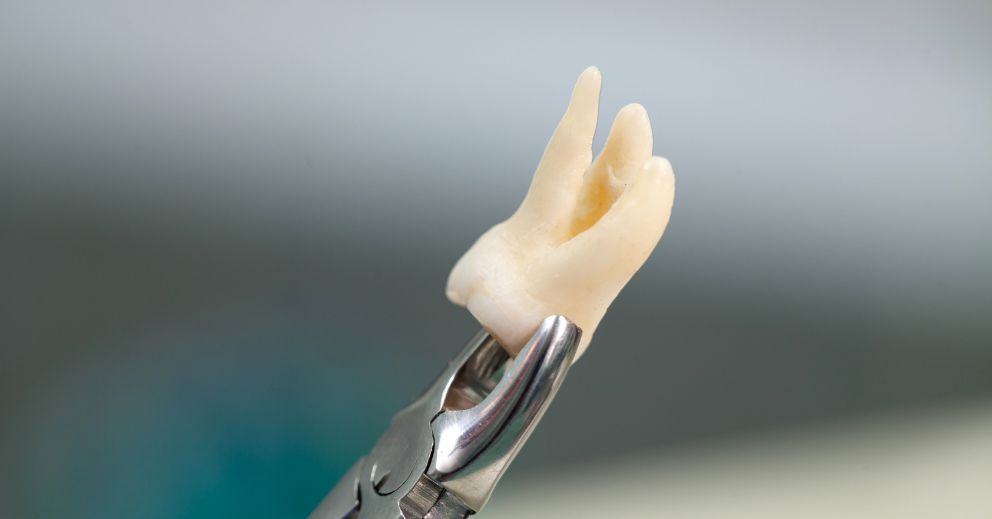
Wisdom Teeth Surgery: How Long It Takes & What to Expect
If you’ve been told your wisdom teeth need to come out, it’s completely normal to feel a bit unsure about what’s involved. Most people’s first questions are about timing, pain and recovery. How long does the surgery actually take? Will you be swollen for weeks? When can you eat normally again?
The good news is that wisdom teeth removal is a very common procedure, and for most patients, recovery is straightforward with the right aftercare.
Summary: Wisdom teeth surgery usually takes between 20 minutes and an hour depending on how many teeth are being removed and whether they’re impacted. Most people experience swelling and mild discomfort for a few days, with recovery improving significantly within a week. This article explains how long the procedure takes, what happens on the day, typical healing timelines, and tips to reduce complications. At Redlands Gentle Dental Care, patients receive gentle, personalised care to make the experience as comfortable and stress-free as possible.
Why wisdom teeth sometimes need to be removed
Wisdom teeth are the last molars at the back of your mouth. They usually appear in your late teens or early twenties.
They may need removal if they:
- Don’t have enough space to erupt properly
- Grow at an angle (impacted)
- Cause pain or swelling
- Lead to repeated infections
- Damage neighbouring teeth
- Are difficult to clean and prone to decay
Not everyone needs their wisdom teeth removed. Your dentist will recommend surgery only if there’s a clear reason.
How long does wisdom teeth surgery take?
The time depends on a few factors:
- How many teeth are being removed
- Whether they’re fully erupted or impacted
- The position of the roots
- Your individual anatomy
General timeframes:
- Single, simple extraction: around 20 to 30 minutes
- Multiple or impacted teeth: 45 to 60 minutes or slightly longer
In some cases, the appointment may include preparation and recovery time, so you’ll be at the clinic longer than the actual procedure.
What happens during the procedure?
Before starting, your dentist will:
- Review your X-rays
- Discuss anaesthesia options
- Answer any last-minute questions
Anaesthesia
Most wisdom teeth are removed under local anaesthetic, which completely numbs the area. You’ll be awake but shouldn’t feel pain, only pressure.
For more complex cases or anxious patients, sedation options may be discussed.
The extraction
If the tooth is impacted, the dentist may:
- Make a small incision in the gum
- Gently remove a small amount of bone if needed
- Remove the tooth, sometimes in sections
Stitches may be placed to help healing.
It sounds intense, but it’s a routine procedure for experienced dental teams.
What to expect immediately after surgery
Once the anaesthetic wears off, you can expect:
- Mild to moderate discomfort
- Swelling around the cheeks
- Slight bruising in some cases
- Limited jaw opening for a few days
Swelling usually peaks around day two or three, then gradually improves.
Most people feel significantly better within five to seven days.
Recovery timeline: week by week
First 24 hours
- Bite on gauze to control bleeding
- Avoid rinsing vigorously
- Stick to soft foods
- Rest and avoid strenuous activity
Days 2 to 3
- Swelling is often at its peak
- Use cold compresses on the outside of the cheek
- Continue soft foods
- Start gentle saltwater rinses if advised
Days 4 to 7
- Swelling and discomfort reduce
- You can gradually return to normal activities
- Stitches may dissolve or be removed
After 1 to 2 weeks
- Most visible healing is complete
- The socket continues healing beneath the surface
How long should you take off work or study?
For most people:
- 1 to 3 days off is sufficient
- More complex cases may require up to a week
If your job involves heavy physical activity, your dentist may recommend additional rest.
What can you eat after wisdom teeth removal?
Stick to soft, easy-to-chew foods for the first few days, such as:
- Yoghurt
- Mashed vegetables
- Soup (not too hot)
- Scrambled eggs
- Smoothies (avoid using a straw)
Avoid:
- Crunchy or hard foods
- Spicy foods
- Alcohol
- Smoking
- Using straws (this can dislodge the clot and cause dry socket)
Gradually return to normal foods as comfort allows.
Possible complications to be aware of
While most recoveries are smooth, it’s important to watch for:
Dry socket
This happens when the blood clot becomes dislodged too early. It can cause sharp pain a few days after surgery.
Infection
Signs include:
- Increasing pain after initial improvement
- Fever
- Persistent swelling
- Pus or bad taste
If you notice any of these, contact your dentist promptly.
How to reduce swelling and discomfort
- Use cold compresses for the first 24 to 48 hours
- Take pain relief as directed
- Keep your head elevated when resting
- Avoid strenuous exercise for a few days
- Follow your dentist’s aftercare instructions carefully
Good aftercare makes a big difference in recovery.
Is wisdom teeth surgery painful?
During the procedure, you shouldn’t feel pain due to anaesthetic. Afterward, discomfort is normal but manageable with prescribed or recommended pain relief.
Many patients find the anticipation is worse than the actual experience.
Why choose Redlands Gentle Dental Care?
At Redlands Gentle Dental Care, you’re not just a patient, you’re family. With over four decades of experience, the team understands that wisdom teeth surgery can feel daunting.
You can expect:
- Clear explanations before treatment
- Gentle, personalised care
- A calm and supportive environment
- Careful follow-up during recovery
If you’ve been advised to remove your wisdom teeth or you’re experiencing discomfort, book a consultation with Redlands Gentle Dental Care.
Schedule your appointment and receive gentle, experienced care you can trust today.
Key takeaways
- Wisdom teeth surgery usually takes 20 to 60 minutes depending on complexity.
- Most people recover significantly within one week.
- Swelling peaks around days two to three.
- Proper aftercare reduces the risk of complications.
- Taking a few days off work or study is usually sufficient.
FAQ
How long does wisdom teeth surgery take?
Wisdom teeth surgery usually takes between 20 minutes and an hour. A simple extraction may take around 20 to 30 minutes, while multiple or impacted teeth can take longer.
Will wisdom teeth removal hurt?
You should not feel pain during the procedure because the area will be numbed with local anaesthetic. After surgery, some discomfort is normal, but it is usually manageable with pain relief and proper aftercare.
How long does it take to recover from wisdom teeth surgery?
Most people start feeling much better within five to seven days. While the gum and socket continue healing after that, the main swelling and discomfort usually improve within the first week.
When is swelling the worst after wisdom teeth removal?
Swelling often peaks around day two or three after surgery. It should gradually go down after that.
How many days off work or study will I need?
Most people need one to three days off. If your extraction was more complex or your job is physically demanding, you may need a little longer.





 Unhappy With My Smile
 I Have Missing Teeth
 Unhappy With My Dentures
 My Teeth Are Stained or Discolored
 Considering Teeth Straightening
 I Have A Dental Emergency
 Seeking Smile Improvement
 Help With Dental Anxiety
 General Dentistry
 Cosmetic Dentistry
 Restorative Dentistry
 Dental Implants
 Dental Veneers
 Invisalign
 Emergency Dentist
 Sedation and Sleep Dentistry