
Foods to Avoid After Whitening Your Teeth
Getting your teeth professionally whitened is an exciting step towards a brighter, more confident smile. But what you eat and drink in the days following your treatment can make or break your results. Your teeth are particularly vulnerable to staining immediately after whitening, which means being careful about your food choices is crucial for maintaining that fresh, white appearance.
TLDR: After teeth whitening, avoid dark-coloured foods and drinks like coffee, red wine, berries, and tomato-based sauces for at least 48-72 hours. Stick to white and light-coloured foods, stay hydrated with water, and follow your dentist’s aftercare instructions to protect your investment in a whiter smile.
Summarize this article in ChatGPT
Why Your Diet Matters After Teeth Whitening
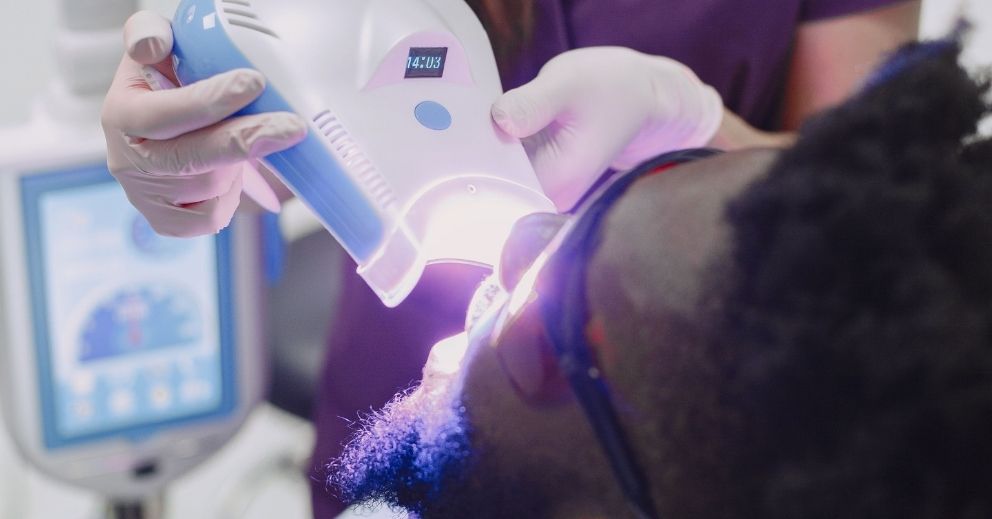
Professional teeth whitening opens up the pores in your tooth enamel, making them more susceptible to absorbing stains. Think of it like a freshly painted wall that’s still drying. During this vulnerable period, which typically lasts 24 to 72 hours, your teeth can easily pick up pigments from foods and beverages.
The Science Behind Post-Whitening Sensitivity
Whitening treatments work by using hydrogen peroxide or carbamide peroxide to break down stains deep within your tooth structure. This process temporarily makes your enamel more porous, allowing stains to penetrate more easily than usual.
Your saliva usually helps neutralise acids and wash away food particles, but immediately after whitening, this natural protection isn’t as effective. That’s why following dietary guidelines is so important for preserving your results.
How Long Should You Watch Your Diet
Most dental professionals recommend being extra cautious with your food choices for the first 48 to 72 hours after whitening. Some patients may need to extend this period if they experience ongoing tooth sensitivity or if their dentist recommends it based on the type of treatment received.
Dark-Coloured Foods That Can Stain Your Teeth
The general rule is simple: if it can stain a white shirt, it can stain your newly whitened teeth. Here are the main culprits to avoid during your recovery period.
Berries and Dark Fruits
Blueberries, blackberries, cherries, and pomegranates are packed with antioxidants but also loaded with natural pigments called anthocyanins. These compounds are responsible for the deep red, purple, and blue colours that can quickly undo your whitening results.
Even seemingly innocent fruits like grapes can cause issues, especially darker varieties. If you’re craving fruit, stick to bananas, white grapes, or peeled apples during your recovery period.
Tomato-Based Products
Tomatoes are naturally acidic and contain lycopene, a powerful antioxidant that gives them their red colour. Unfortunately, this same compound can stain your teeth. Avoid pasta sauces, pizza, tomato soup, and even ketchup for the first few days after whitening.
The acidity in tomatoes can also temporarily soften your enamel, making it even more vulnerable to staining and wear.
Soy Sauce and Dark Condiments
Soy sauce, balsamic vinegar, and other dark condiments are concentrated sources of staining compounds. Even small amounts can have a significant impact on your newly whitened teeth. Consider using lighter alternatives like rice vinegar or lemon juice during your recovery period.
Beverages to Skip After Whitening
What you drink is just as important as what you eat when protecting your whitening results. Many popular beverages can quickly reverse the effects of your treatment.
Coffee and Tea
Coffee and tea are among the worst offenders for staining teeth, even under normal circumstances. After whitening, they’re particularly problematic because of their high tannin content. Tannins are plant compounds that easily bind to tooth enamel and cause discolouration.
If you absolutely can’t give up your morning coffee, consider drinking it through a straw and rinsing with water immediately afterwards. However, complete avoidance is your best bet for maintaining optimal results.
Red Wine and Dark Spirits
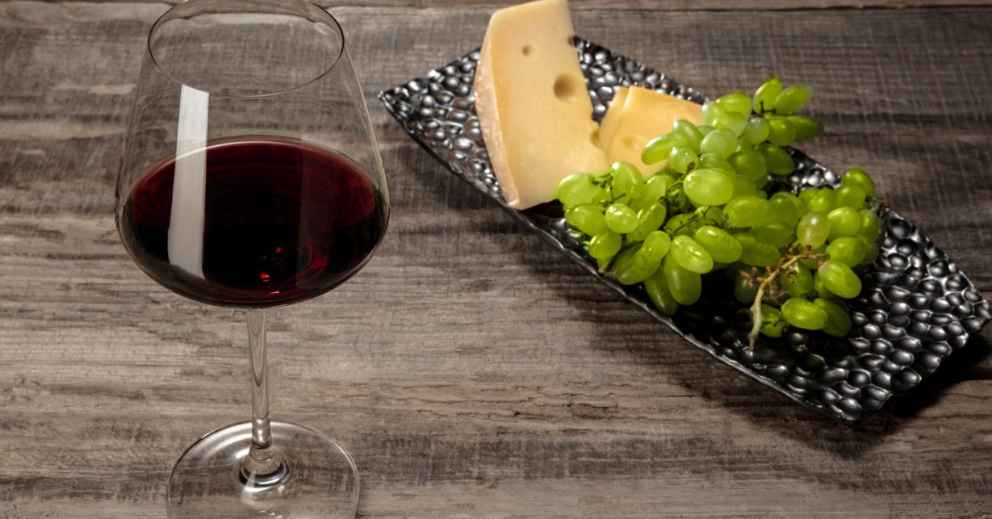
Red wine contains both tannins and chromogens (pigmented molecules), making it a double threat for stained teeth. The alcohol content can also dry out your mouth, reducing saliva production and your mouth’s natural ability to wash away staining compounds.
Dark spirits like whiskey, rum, and brandy can also cause staining. If you choose to drink alcohol during your recovery period, stick to clear options like vodka or white wine, and always follow up with water.
Coloured Sports Drinks and Soft Drinks
Sports drinks, soft drinks, and energy drinks often contain artificial colours and acids that can stain and weaken your enamel. Even seemingly harmless options like orange juice or cranberry juice are problematic due to their natural pigments and acidity.
Water should be your go-to beverage during the recovery period, with milk being another safe option that can actually help neutralise acids in your mouth.
Acidic Foods That Weaken Enamel
Beyond staining, acidic foods can compromise your enamel when it’s in a vulnerable state after whitening. This makes your teeth more susceptible to both staining and sensitivity.
Citrus Fruits and Juices
Oranges, lemons, limes, and grapefruits are highly acidic and can temporarily soften your enamel. While they might not stain your teeth directly, they create conditions that make staining more likely from other foods you eat throughout the day.
This includes citrus-flavoured drinks, lemonades, and even water with lemon slices. Save these refreshing options for after your recovery period is complete.
Vinegar-Based Foods
Pickles, salad dressings, and marinades containing vinegar can be problematic due to their acidity. The acid can make your enamel more porous and vulnerable to staining from other foods consumed during the same meal.
Carbonated Beverages
The carbonic acid in fizzy drinks can weaken enamel even when the drink itself isn’t dark-coloured. This includes sparkling water, clear sodas, and champagne. Stick to still water during your initial recovery period.
Safe Foods for Your Post-Whitening Diet
Don’t worry-there are plenty of delicious options that won’t compromise your whitening results. Focus on light-coloured, non-acidic foods that will nourish you without staining your teeth.
White and Light-Coloured Proteins
Chicken breast, white fish, tofu, and eggs are excellent protein sources that won’t stain your teeth. These foods are also generally easy on sensitive teeth, which many people experience after whitening treatments.
Avoid heavily seasoned or marinated versions of these proteins, and stick to simple preparations with light-coloured seasonings like salt, pepper, or herbs.
Dairy Products
Milk, yoghurt, and cheese are not only safe for your newly whitened teeth but can actually be beneficial. Dairy products contain calcium and phosphorus, which help strengthen tooth enamel. The proteins in dairy can also help neutralise acids in your mouth.
Choose plain or vanilla-flavoured options rather than fruit-flavoured varieties that might contain staining compounds or artificial colours.
White Vegetables and Grains
Cauliflower, white onions, potatoes, and parsnips are excellent vegetable choices. For grains, stick to white rice, pasta (without tomato sauce), and white bread. These foods provide energy and nutrients without the pigments that could stain your teeth.
Bananas are one of the few fruits that are generally considered safe during the immediate post-whitening period, as they’re light in colour and low in acid.
Tips for Eating During Recovery
Beyond choosing the right foods, how you eat can also impact your whitening results and comfort level during recovery.
Use a Straw When Possible
When drinking any beverage other than water, use a straw to minimise contact with your teeth. This is particularly helpful if you absolutely must have something like milk or a light-coloured smoothie.
Position the straw towards the back of your mouth to bypass your front teeth entirely. This simple technique can significantly reduce the risk of staining or sensitivity.
Rinse with Water After Eating
Get into the habit of rinsing your mouth with water after every meal or snack. This helps wash away food particles and dilute any acids or staining compounds that might be lingering on your teeth.
Wait at least 30 minutes after eating before brushing your teeth, as your enamel may be temporarily softened and brushing too soon could cause damage.
Eat at Room Temperature
Many people experience increased sensitivity after whitening treatments. Eating foods at room temperature rather than very hot or cold can help minimise discomfort during your recovery period.
This is particularly important for beverages-let your coffee cool down significantly before drinking, or better yet, switch to room temperature or lukewarm alternatives.
Managing Sensitivity While Eating
Tooth sensitivity is a common side effect of whitening treatments, and certain foods can trigger or worsen this discomfort.
Avoid Temperature Extremes
Very hot or cold foods and drinks can trigger sharp pain in sensitive teeth. Ice cream, hot soup, and iced beverages are common culprits. Stick to foods and drinks at room temperature until your sensitivity subsides.
If you must have something cold, let it warm up slightly in your mouth before swallowing. For hot foods, allow them to cool down before eating.
Choose Soft Textures
Hard, crunchy foods can sometimes aggravate sensitive teeth. Opt for softer textures like cooked vegetables, smoothies, yoghurt, and well-cooked grains during the first few days after treatment.
This doesn’t mean you need to stick to a liquid diet, but choosing gentler textures can make eating more comfortable while your teeth recover.
Consider Desensitising Toothpaste
Your dentist may recommend using a desensitising toothpaste before and after your whitening treatment. These products contain ingredients that help block pain signals from reaching the nerve inside your tooth.
Using this type of toothpaste consistently can help reduce sensitivity and make it easier to return to your normal diet sooner.
When You Can Resume Normal Eating
Most people can gradually return to their normal diet within 48 to 72 hours after whitening, but this timeline can vary based on several factors.
Signs Your Teeth Are Ready
You’ll know your teeth are ready for a broader diet when sensitivity decreases, and you no longer experience discomfort from temperature changes. Your dentist will provide specific guidance based on your treatment and individual response.
Some people may need to extend their dietary restrictions if they experience prolonged sensitivity or if they’ve had multiple whitening sessions.
Gradual Reintroduction
When you do start reintroducing staining foods and drinks, do so gradually. Try having your morning coffee with milk to dilute its staining potential, or enjoy berries mixed with yoghurt rather than eating them plain.
Pay attention to how your teeth respond and back off if you notice increased sensitivity or if staining seems to occur quickly.
Long-Term Maintenance Tips
Protecting your whitening investment doesn’t end after the initial recovery period. Developing good habits can help maintain your results for months or even years.
Practice Good Oral Hygiene
Consistent brushing and flossing become even more important after whitening. Use a soft-bristled toothbrush and fluoride toothpaste to keep your teeth clean without being too abrasive on potentially sensitive enamel.
Consider adding an antibacterial mouthwash to your routine to help prevent plaque buildup and maintain oral health.
Schedule Regular Dental Cleanings
Professional cleanings every six months can help remove surface stains and plaque that regular brushing might miss. Your dental hygienist can also provide personalised advice for maintaining your whitening results.
Regular dental check-ups let your dentist monitor your oral health and recommend touch-up treatments as needed.
Use Whitening Toothpaste Sparingly
While whitening toothpaste can help maintain results, using it too frequently can be abrasive and cause sensitivity. Most dental professionals recommend using it 2-3 times per week rather than daily.
Look for products with the Australian Dental Association seal of approval to ensure they meet safety and effectiveness standards.
Professional Teeth Whitening Support in Redlands
Following the right dietary guidelines after teeth whitening is crucial for getting the best results from your treatment. At Redlands Gentle Dental Care, we provide comprehensive aftercare instructions and ongoing support to help you maintain your bright, confident smile.
Our experienced team understands that every patient responds differently to whitening treatments, so we offer personalised advice based on your needs and sensitivity. We’re here to guide you through the recovery process and answer any questions about protecting your investment in a whiter smile.
Whether you’re considering professional teeth whitening or need guidance on maintaining your current results, our friendly teams at Capalaba and Victoria Point are ready to help. Contact Redlands Dental today to schedule a consultation and discover how we can help you achieve and maintain the bright smile you’ve always wanted.
Key Takeaways
- Avoid dark-coloured foods and drinks for 48-72 hours after teeth whitening to prevent staining
- Acidic foods can weaken enamel and make staining more likely, so skip citrus fruits and vinegar-based products
- Stick to white and light-coloured foods like chicken, dairy products, and white vegetables during recovery
- Use a straw when drinking and rinse with water after eating to minimise staining risk
- Manage sensitivity by avoiding temperature extremes and choosing softer food textures
- Maintain results long-term with good oral hygiene and regular dental check-ups



 Unhappy With My Smile
 I Have Missing Teeth
 Unhappy With My Dentures
 My Teeth Are Stained or Discolored
 Considering Teeth Straightening
 I Have A Dental Emergency
 Seeking Smile Improvement
 Help With Dental Anxiety
 General Dentistry
 Cosmetic Dentistry
 Restorative Dentistry
 Dental Implants
 Dental Veneers
 Invisalign
 Emergency Dentist
 Sedation and Sleep Dentistry