

Best Oral Hygiene Tips for Kids at Every Age
Getting your child started on the right path to lifelong oral health doesn’t happen overnight. It’s a journey that begins before their first tooth appears and evolves as they grow from toddlers to teenagers. Many Australian parents feel overwhelmed by conflicting advice about children’s dental care, wondering when to start brushing, which products to use, and how to make oral hygiene fun rather than a daily battle.
The good news is that establishing excellent oral hygiene habits for kids doesn’t have to be complicated. With the right approach for each developmental stage, you can set your children up for a lifetime of healthy teeth and gums while avoiding costly dental problems down the track.
TLDR: Children’s oral hygiene needs change dramatically from infancy through the teenage years. Starting early with age-appropriate techniques, choosing the right products, and making dental care enjoyable helps establish lifelong healthy habits that prevent tooth decay and gum disease.
Starting Strong: Oral Care for Babies and Toddlers
Your baby’s oral health journey begins well before that first precious tooth makes its appearance. Even newborns benefit from gentle oral care that sets the foundation for healthy habits later on.
Before the First Tooth Arrives
During those first few months, your baby’s gums need attention too. After feeding, gently wipe their gums with a clean, damp cloth or gauze pad. This removes bacteria and milk residue that can lead to problems later.
This early routine also helps your baby get used to having their mouth cleaned, making the transition to toothbrushing much smoother when those first teeth appear.
First Teeth, First Brush
Once that first tooth breaks through (usually around six months), it’s time to introduce a proper toothbrush. Use a soft-bristled infant toothbrush with just a tiny smear of fluoride toothpaste about the size of a grain of rice.
Brush twice daily, paying special attention to the gum line where plaque loves to hide. Don’t worry if your toddler swallows a bit of toothpaste at this stage. The tiny amount you’re using is perfectly safe.
Making Brushing Fun for Little Ones
Toddlers learn through play, so make oral hygiene enjoyable from the start. Try singing songs, using fun-shaped toothbrushes, or letting them “help” by holding the brush while you guide their hand.
Many parents find success with brushing charts and stickers, turning daily oral care into a game rather than a chore.
Building Independence: Oral Hygiene for Preschoolers
As your child enters the preschool years, they’re ready to take on more responsibility for their oral health. This is when you can start teaching proper brushing techniques while still providing plenty of supervision and assistance.
Teaching Proper Brushing Technique
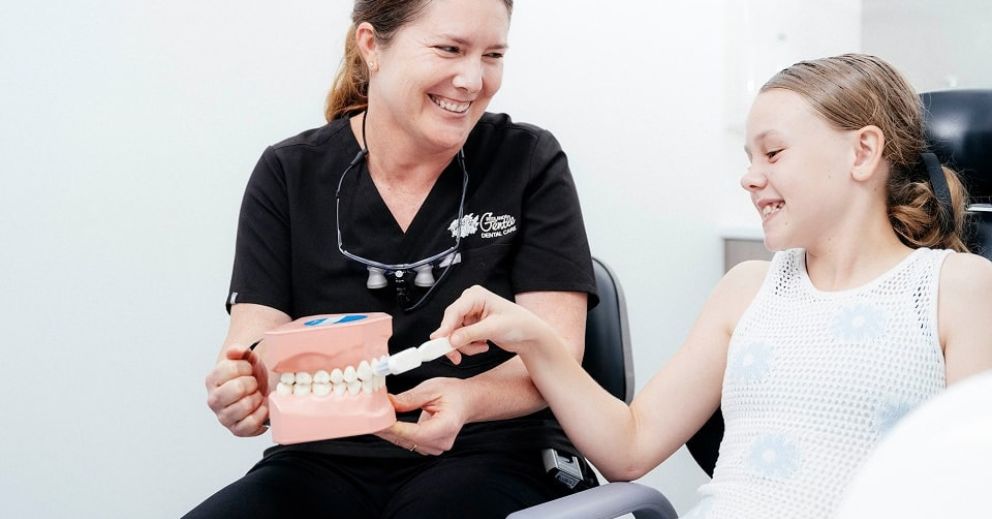
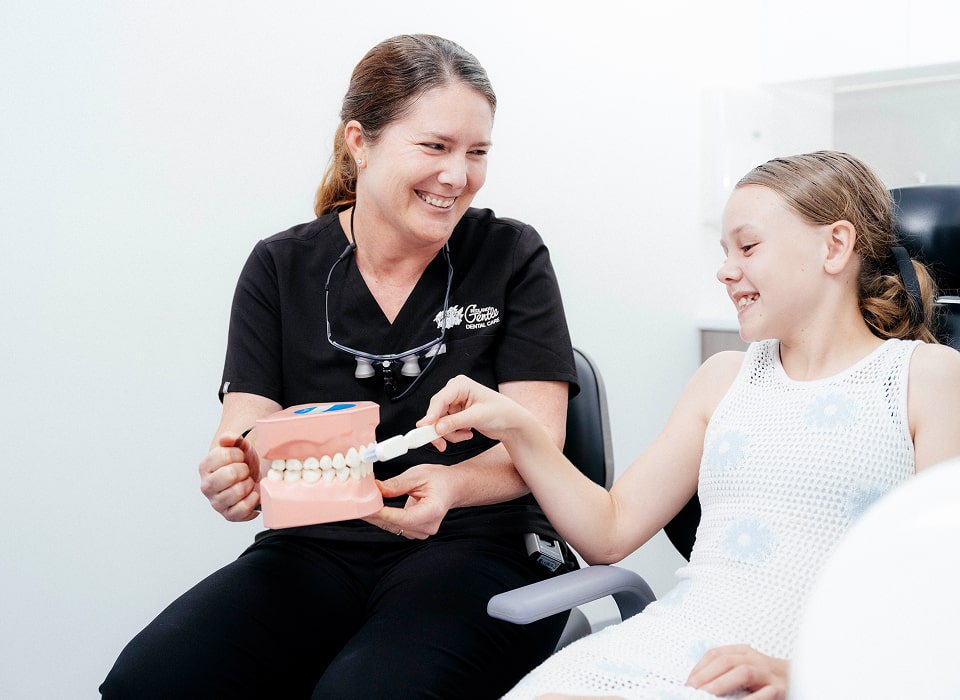
Preschoolers can start learning the basics of good brushing technique. Show them how to hold the toothbrush at a 45-degree angle to their gums and use gentle, circular motions rather than aggressive back-and-forth scrubbing.
The “two-minute rule” becomes important now, though you’ll likely need to help them understand what two minutes feels like. Try using a timer, playing a favourite song, or using an electric toothbrush with a built-in timer.
Introducing Flossing
Once your child has two teeth that touch, it’s time to introduce flossing. Most preschoolers don’t have the manual dexterity to floss independently, so this becomes a parent’s job for several more years.
Use child-friendly floss picks or soft floss designed for kids. Make it part of the bedtime routine, explaining how flossing removes food and plaque from places the toothbrush can’t reach.
Choosing the Right Products
Preschoolers can graduate to a pea-sized amount of fluoride toothpaste. Look for products with the Australian Dental Association seal of approval, and consider fun flavours that make brushing more appealing.
A soft-bristled toothbrush sized appropriately for their mouth is essential. Replace it every three months or after any illness to prevent reinfection.
School Age Success: Oral Care for Primary School Children
Primary school brings new challenges and opportunities for children’s oral health. This is when many kids start losing baby teeth, permanent teeth begin emerging, and independence in self-care becomes increasingly important.
Managing the Mixed Dentition Phase
The mixed dentition phase, when children have both baby and permanent teeth, requires special attention. Different sized teeth create new hiding spots for plaque and food particles.
Pay extra attention to newly erupted permanent teeth, which are more susceptible to decay in their first few years. These teeth often have deep grooves that trap food and bacteria.
Developing Independent Brushing Skills
Most children can brush independently by age six or seven, but they still need supervision to ensure they’re doing a thorough job. Check their work and help with hard-to-reach areas like back molars.
This is also when children can start taking responsibility for their own flossing, though many still need help with technique and consistency.
Addressing Common School Age Issues
School-age children face unique oral health challenges. Packed lunches, sports drinks, and increased independence can all impact their dental health if not managed properly.
Focus on providing tooth-friendly snacks and drinks, and establish clear rules about when and how often sugary treats are acceptable.
Navigating the Teen Years: Oral Hygiene for Adolescents
Teenagers face perhaps the most complex oral health challenges of any age group. Hormonal changes, orthodontic treatment, increased independence, and social pressures all impact their dental care routine.
Hormonal Changes and Gum Health
Puberty brings hormonal fluctuations that can make gums more sensitive and prone to inflammation. Teenagers may notice their gums bleeding more easily during brushing or flossing.
This makes consistent oral hygiene even more critical. Emphasise the importance of gentle but thorough cleaning, and consider adding an antimicrobial mouthwash to their routine.
Orthodontic Care Considerations
Many teenagers wear braces or other orthodontic appliances, which create additional challenges for oral hygiene. Food particles and plaque can easily get trapped around brackets and wires.
Special orthodontic brushes, floss threaders, and water flossers become essential tools. Regular dental cleanings become even more important during orthodontic treatment.
Building Lifelong Habits
The teenage years are crucial for cementing lifelong oral health habits. Help your teenager understand the connection between oral health and overall health, including fresh breath, confidence, and long-term wellbeing.
Encourage ownership of their oral health routine while still providing gentle reminders and support when needed.
Common Mistakes Parents Make at Every Age
Even well-intentioned parents can inadvertently undermine their children’s oral health. Understanding these common pitfalls helps you avoid them and set your kids up for success.
Starting Too Late or Giving Up Too Early
Many parents wait until problems develop before focusing on oral hygiene, or they give up when toddlers resist brushing. Consistency from an early age prevents problems and makes routines easier to establish.
Remember that resistance is normal, especially during toddler years. Stay patient and persistent rather than abandoning the routine altogether.
Using Inappropriate Products
Adult toothpaste, hard-bristled brushes, and aggressive techniques can all damage young mouths. Always choose age-appropriate products and techniques that protect developing teeth and gums.
When in doubt, ask your family dentist for specific product recommendations based on your child’s age and individual needs.
Focusing Only on Brushing
While brushing is important, complete oral hygiene includes flossing, healthy eating habits, and regular dental check-ups. A comprehensive approach prevents more problems than brushing alone.
Don’t forget about the role of nutrition in oral health. Limiting sugary snacks and drinks makes a significant difference in preventing tooth decay.
Creating Positive Dental Experiences
Your child’s relationship with oral health extends beyond daily brushing and flossing. Creating positive associations with dental care sets the stage for lifelong healthy habits and reduces dental anxiety.
Making Oral Care Enjoyable
Transform daily oral hygiene from a chore into something your child looks forward to. Use fun toothbrushes, play favourite songs during brushing time, or create reward systems that celebrate consistency.
Let children choose their own toothbrush and toothpaste flavour (within appropriate options) to give them ownership of their routine.
Leading by Example
Children learn more from what they see than what they’re told. Brush and floss alongside your children, showing them that oral hygiene is important for everyone, not just kids.
Share your own positive experiences with dental care and avoid expressing dental anxiety in front of your children.
Regular Professional Care
Establish a relationship with a family-friendly dentist early and maintain regular check-ups throughout childhood. Professional cleanings and preventive treatments like fluoride applications and dental sealants provide extra protection.
These visits also give your dentist the opportunity to catch small problems before they become big ones, saving both discomfort and money in the long run.
Warning Signs to Watch For
Even with excellent home care, it’s important to recognise signs that your child may need additional attention or professional intervention.
Early Signs of Tooth Decay
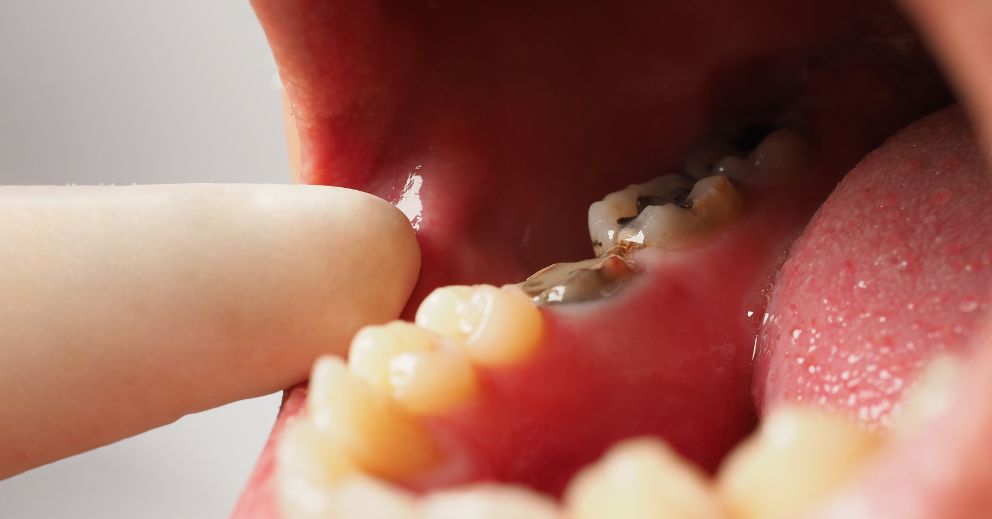
White spots on teeth, brown or black spots, visible holes, or complaints of tooth pain all warrant immediate attention. Early intervention can often save teeth and prevent more extensive treatment.
Bad breath that doesn’t improve with good oral hygiene may also indicate underlying issues that need professional assessment.
Gum Health Concerns
Red, swollen, or bleeding gums are never normal, even in children. While some gum sensitivity during tooth eruption is expected, persistent inflammation needs evaluation.
Children who consistently avoid certain foods or complain of pain while chewing may have dental issues that require attention.
Developmental Concerns
Delayed tooth eruption, crowded teeth, or unusual bite patterns may benefit from early intervention. Many orthodontic issues are easier to address when caught early.
Habits like thumb sucking , tongue thrusting, or mouth breathing can also impact dental development and may need professional guidance to address.
Professional Support for Your Family’s Oral Health
While excellent home care forms the foundation of your child’s oral health, professional support makes all the difference in preventing problems and catching issues early. At Redlands Gentle Dental Care, we understand that every child develops at their own pace and faces unique challenges at different ages.
Our family-friendly approach helps children feel comfortable and confident about dental care from their very first visit. We work with parents to develop personalised oral hygiene strategies that work for your family’s lifestyle and your child’s individual needs.
Contact Redlands Dental today to schedule your child’s next check-up and cleaning. Together, we can ensure your children develop the healthy habits and positive associations with dental care that will serve them throughout their lives.
Key Takeaways
- Start oral hygiene before the first tooth appears with gentle gum cleaning
- Use age-appropriate products and techniques at every developmental stage
- Make oral hygiene fun and positive to encourage lifelong healthy habits
- Supervise and assist children with brushing and flossing until they develop proper technique
- Address the unique challenges of each age group, from teething to teenage hormones
- Watch for warning signs that indicate the need for professional intervention
- Maintain regular dental visits throughout childhood for prevention and early detection



 Unhappy With My Smile
 I Have Missing Teeth
 Unhappy With My Dentures
 My Teeth Are Stained or Discolored
 Considering Teeth Straightening
 I Have A Dental Emergency
 Seeking Smile Improvement
 Help With Dental Anxiety
 General Dentistry
 Cosmetic Dentistry
 Restorative Dentistry
 Dental Implants
 Dental Veneers
 Invisalign
 Emergency Dentist
 Sedation and Sleep Dentistry