
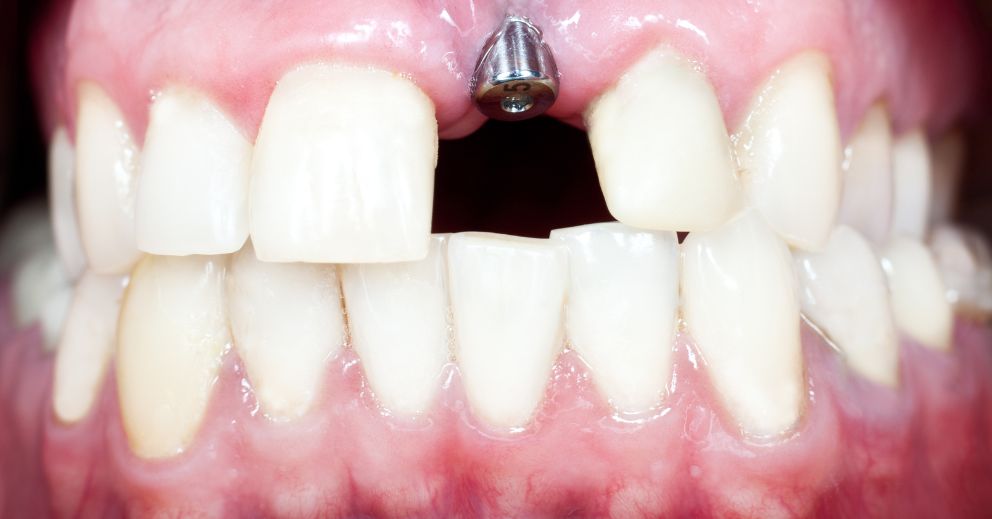
Dental Implant Feels Loose? Here's What to Do Next
Notice something wobbly when you bite down or run your tongue over your implant? Here’s the practical way to handle it: stop chewing on that side, book an appointment with your dentist as soon as you can, and avoid poking or wiggling the implant while you wait.
That’s the short version. The rest of this article walks you through why implants loosen, how to tell what’s actually wrong, and what happens once you’re in the dental chair.
TLDR: A loose feeling around a dental implant is never something to ignore, even if it’s not painful. It could be a loose crown, a loose abutment screw, or in rarer cases a problem with the implant itself. Book in promptly, avoid chewing on that side, and let your dentist work out exactly what’s going on.
First steps to take when you notice movement
The moment you feel any wobble, shift your chewing to the other side of your mouth. This takes pressure off the area and reduces the chance of making things worse before you’re seen.
What to do right away
- Avoid hard, chewy, or sticky foods on the affected side
- Don’t try to tighten or adjust anything yourself
- Keep the area clean with gentle brushing, no aggressive flossing around it
- Call your dental clinic and explain what you’re feeling
What not to do
- Don’t wiggle it with your tongue or fingers to “test” it
- Don’t ignore it hoping it settles on its own
- Don’t use over-the-counter glue or dental wax to fix it yourself
- Don’t wait until your next routine check-up if it feels unstable
A loose implant crown is a fairly common and fixable issue. But leaving it unattended can let bacteria in around the site, which is a bigger problem than the looseness itself.
Why an implant can start to feel loose
Not all looseness means the same thing. Sometimes it’s a small, easily fixed issue. Other times it points to something that needs closer attention.
Loose crown, not loose implant
Most of the time, what feels like a loose implant is actually the crown (the visible tooth part) coming away from the abutment underneath. This is usually caused by the cement wearing down or a screw that’s worked itself loose over time.
Screw loosening
Implants held together with a small screw can loosen gradually, especially if there’s uneven bite pressure from grinding or clenching. This is one of the more straightforward fixes, often just a matter of retightening or replacing the screw.
Bone or gum changes
Less commonly, the bone or gum tissue supporting the implant can change over time due to gum disease, bone loss, or an infection around the implant site (known as peri-implantitis). This is the scenario that needs prompt professional assessment, since it affects the actual foundation of the implant.
How your dentist works out what’s causing it
You won’t be able to tell from home whether it’s the crown, the screw, or the implant base itself. That’s exactly why a proper check is worth booking rather than waiting it out.
What the check-up usually involves
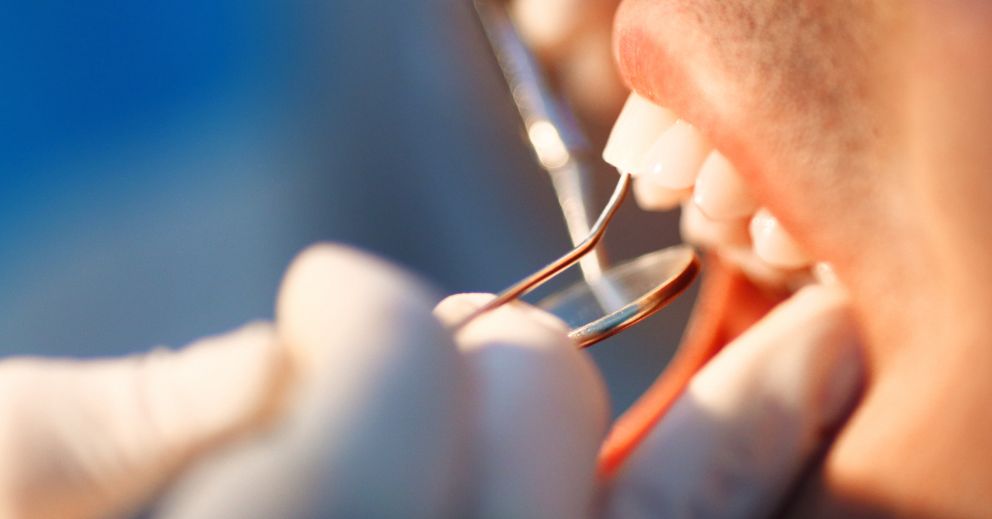
- A visual and physical check of the crown, gum, and surrounding tissue
- Gentle testing of how the crown moves against the abutment
- An X-ray to look at the bone level and implant position underneath the gum
- A discussion of your bite, grinding habits, and oral hygiene routine
Common outcomes after assessment
- Re-cementing or replacing the crown
- Tightening or swapping out the abutment screw
- Treating gum inflammation or early infection around the implant
- In rare cases, further imaging or referral if the implant itself has failed
Most loose implant issues are resolved in one visit once the cause is identified. The X-ray step matters because it rules out anything happening below the gumline that you simply can’t feel or see.
Can a loose implant be saved, or does it need replacing?
This depends entirely on what’s loose. A loose crown or screw is a repair, not a replacement. The implant post itself, once it’s properly fused to the jawbone, is designed to stay put for many years.
When implant failure is more likely
- Signs of infection, swelling, or persistent bad taste around the site
- Ongoing bone loss visible on X-ray
- Smoking or uncontrolled health conditions affecting healing
- An implant that was already unstable in its early healing phase
Reassuring signs
- The gum around the implant looks healthy, pink, and firm
- There’s no pain, just a mechanical wobble
- The looseness appeared suddenly rather than gradually worsening
- You have no history of gum disease around the site
If the underlying implant has genuinely failed, which is uncommon, your dentist will talk you through the options, including whether a replacement implant is suitable once the area has healed.
Looking after your implant so it stays secure
Good daily care goes a long way in keeping implants stable for the long haul. It’s not complicated, but it does need to be consistent.
Daily habits worth building
- Brush around the implant crown just as thoroughly as your natural teeth
- Use interdental brushes or floss designed for implants
- Avoid chewing ice, hard lollies, or using your teeth as tools
- Mention any teeth grinding to your dentist so it can be managed
Ongoing checks that help
- Routine dental visits to monitor the implant and surrounding gum
- Periodic X-rays if your dentist recommends them
- Prompt reporting of any change, even minor ones
Implants are a long-term investment in your smile, and the maintenance side of things really does make a difference to how long they last.
Get to the Cause of a Loose Dental Implant
If something feels off with your implant, it’s worth getting it looked at rather than waiting to see if it settles.
The team at Redlands Dental can assess what’s causing the movement and sort out the right fix, whether that’s a simple tighten or something more involved, so you can get back to using your smile with confidence. Set your appointment today.
Key Takeaways
- A loose feeling is usually the crown or screw, not the implant post itself
- Stop chewing on the affected side and book a check-up promptly
- Never try to tighten, glue, or adjust it yourself
- An X-ray is often needed to see what’s happening below the gumline
- Most loose implant issues are resolved with a straightforward repair
- Consistent oral hygiene and regular check-ups help implants stay stable long-term
FAQ
Is it an emergency if my implant feels loose but doesn’t hurt?
It’s not usually a true dental emergency if there’s no pain, swelling, or bleeding, but it shouldn’t be left for months either. Book an appointment within a few days so the cause can be identified before it develops into something more involved.
How long does it take to fix a loose implant crown?
If it’s just the crown or screw, the fix is often completed in a single appointment. More involved issues, such as gum treatment or a new crown being made, may take a couple of visits.
Will fixing a loose implant cost me anything?
It depends on the cause and whether the original work is still under any warranty period. Your dentist will explain the likely cost once they know exactly what needs attention.
Can grinding my teeth at night cause my implant to loosen?
Yes, grinding puts uneven and repeated pressure on implants, which can work screws loose over time. A night guard is often recommended if grinding is identified as a contributing factor.
What happens if I keep eating normally on a loose implant?
Continuing to bite down hard on a loose implant can push more strain onto the crown, screw, or surrounding bone. It’s better to favour the other side of your mouth until it’s been checked and sorted.




 Unhappy With My Smile
 I Have Missing Teeth
 Unhappy With My Dentures
 My Teeth Are Stained or Discolored
 Considering Teeth Straightening
 I Have A Dental Emergency
 Seeking Smile Improvement
 Help With Dental Anxiety
 General Dentistry
 Cosmetic Dentistry
 Restorative Dentistry
 Dental Implants
 Dental Veneers
 Invisalign
 Emergency Dentist
 Sedation and Sleep Dentistry