
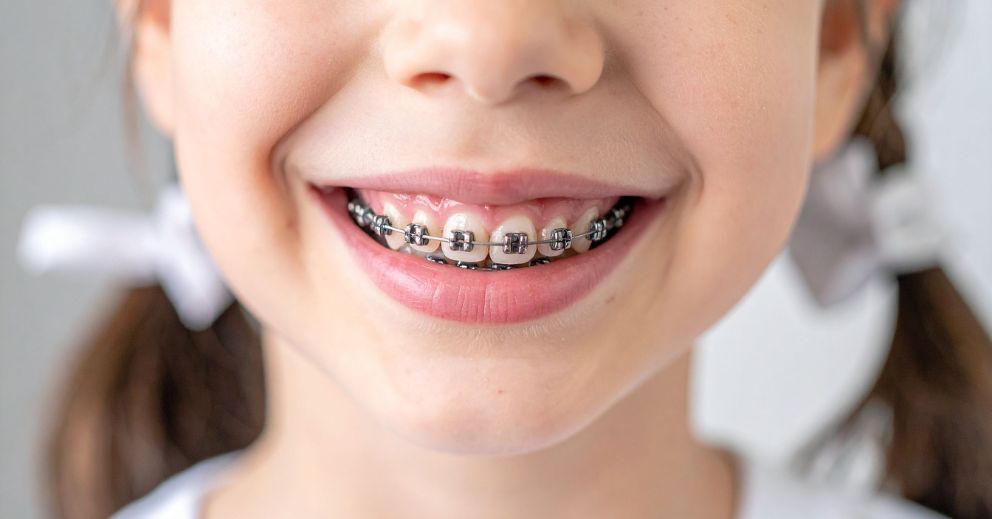
Invisalign vs Braces: Which Is Faster?
When considering orthodontic treatment, speed is often one of the biggest deciding factors. Many people want straighter teeth as efficiently as possible, without compromising comfort or results.
Invisalign and traditional braces are both effective options, but the time required can vary depending on your individual needs.
Summary: Whether Invisalign or braces is faster depends largely on the complexity of your case and how well treatment instructions are followed. Invisalign can be quicker for mild to moderate alignment issues when aligners are worn consistently, while braces may be more efficient for complex cases that require significant or precise tooth movement. A personalised assessment is the only way to determine which option will deliver results sooner for you.
How Invisalign works
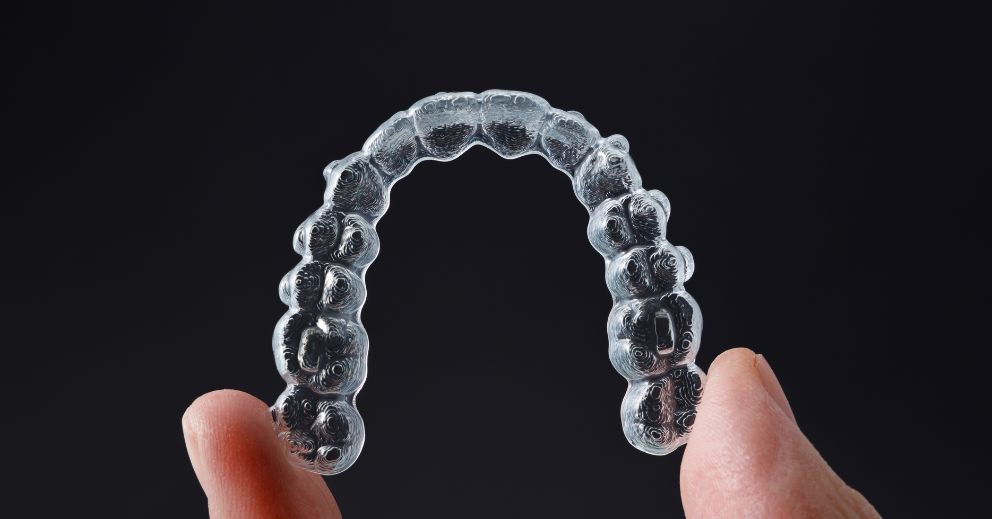
Invisalign uses a series of custom-made clear aligners to gradually move teeth into position. Each aligner is worn for a set period before moving on to the next one in the series.
Because Invisalign relies on consistent wear, usually 20 to 22 hours per day, patient compliance plays a major role in how quickly treatment progresses.
In many mild to moderate cases, Invisalign can achieve results efficiently with fewer in-chair adjustments compared to braces.
How traditional braces work
Braces use brackets and wires that apply continuous pressure to move teeth. Adjustments are made periodically by the dentist or orthodontist to guide movement over time.
Because braces are fixed in place, they work around the clock and do not rely on the patient remembering to wear them. This makes them very effective for more complex cases involving significant crowding, bite issues, or rotated teeth.
Which treatment is faster for mild cases?
For mild issues such as small gaps, minor crowding, or slight rotations, Invisalign is often faster or at least comparable to braces.
Typical timelines:
- Invisalign: around 3 to 6 months
- Braces: around 6 to 12 months
In these cases, Invisalign’s targeted movements and digital planning can streamline treatment when aligners are worn as directed.
Which treatment is faster for moderate cases?
In moderate cases, the speed difference between Invisalign and braces is usually smaller.
Typical timelines:
- Invisalign: around 6 to 12 months
- Braces: around 12 to 18 months
Invisalign may still be slightly faster for some patients, but only if compliance is excellent. Missed wear time can quickly extend treatment.
Which treatment is faster for complex cases?
For complex orthodontic issues, braces are often the faster and more predictable option.
Braces allow for precise control of tooth movement and can handle significant bite correction more efficiently. Invisalign can still be used in complex cases, but treatment may take longer and often involves refinement aligners.
The role of compliance in treatment speed
One of the biggest differences between Invisalign and braces is user responsibility.
With Invisalign:
- Aligners must be worn consistently
- Skipping wear time slows progress
- Lost or damaged aligners can cause delays
With braces:
- Treatment continues regardless of patient habits
- Fewer variables affect treatment speed
For patients who are disciplined and organised, Invisalign can be very efficient. For others, braces may keep treatment moving more reliably.
Comfort, lifestyle, and appearance considerations
While speed is important, it is not the only factor to consider. Invisalign is removable, more discreet, and often more comfortable for daily life. Braces are fixed, more visible, and may require dietary adjustments.
Choosing the right option involves balancing speed with comfort, aesthetics, and lifestyle needs.
How to choose the fastest option for you
There is no universal answer to which option is faster. The best choice depends on:
- The complexity of your alignment issues
- Your ability to wear aligners consistently
- Your lifestyle and preferences
- Professional assessment and treatment planning
A personalised consultation ensures timelines are realistic and achievable.
Clear Guidance on Invisalign vs Braces
If you are comparing Invisalign and braces and want honest advice on which option may deliver results sooner, expert guidance can make all the difference. Redlands Gentle Dental Care provides personalised orthodontic consultations backed by decades of experience and a gentle, patient-focused approach.
Discuss your options and gain a realistic understanding of treatment timelines by getting in touch with the Redlands Gentle Dental Care team to arrange a consultation.
Key takeaways
- Invisalign can be faster for mild to moderate cases
- Braces are often quicker for complex tooth movements
- Compliance strongly affects Invisalign timelines
- Both options are effective when used appropriately
- Personal assessment determines the true timeline
FAQs
Can Invisalign be slower than braces?
Yes, if aligners are not worn as directed or if the case is complex, Invisalign can take longer.
Are braces always slower?
No. In complex cases, braces may actually achieve results faster due to greater control.
Is faster treatment always better?
Not necessarily. The goal is safe, stable results rather than rushing tooth movement.




 Unhappy With My Smile
 I Have Missing Teeth
 Unhappy With My Dentures
 My Teeth Are Stained or Discolored
 Considering Teeth Straightening
 I Have A Dental Emergency
 Seeking Smile Improvement
 Help With Dental Anxiety
 General Dentistry
 Cosmetic Dentistry
 Restorative Dentistry
 Dental Implants
 Dental Veneers
 Invisalign
 Emergency Dentist
 Sedation and Sleep Dentistry