
Are You a Candidate for Dental Implants? Here's How to Find Out
Wondering if dental implants are actually an option for you?
The best way to find out isn’t guesswork; it’s a straightforward process your dentist can walk you through. Here’s exactly how that assessment works, step by step, so you know what to expect before you book anything.
TLDR: Most adults with missing teeth and healthy gums are potential candidates for dental implants, but factors like bone density, gum health, and certain medical conditions can affect suitability. A proper assessment, including an exam and scans, is the only way to know for sure. Redlands Dental can talk you through the process and whether implants suit your situation.
Working Out If You’re a Good Fit for Dental Implants
Dental implants aren’t a one-size-fits-all solution, and that’s actually a good thing. It means the assessment process is designed to catch anything that might affect how well an implant will work for you long-term.
Generally speaking, candidacy comes down to a few key things: how much jawbone you have to work with, whether your gums are healthy, and your overall health picture. None of these are things you can accurately judge yourself, which is why a proper check-up matters.
Signs You Might Be a Good Candidate
- You’ve got one or more missing teeth and want a permanent replacement
- Your gums are healthy and free of active gum disease
- You have enough jawbone density to support an implant
- You’re in reasonably good general health
- You don’t smoke, or you’re prepared to cut back significantly
Things That Might Complicate Candidacy
- Untreated gum disease or ongoing gum inflammation
- Significant bone loss in the jaw
- Uncontrolled diabetes or certain autoimmune conditions
- Heavy smoking
- Recent radiation therapy to the head or neck area
None of these automatically rule you out. Bone grafting, better gum health management, or simply getting a condition under control can often open the door to implants down the track.
The Step-By-Step Process for Checking Your Suitability
If you’re serious about finding out whether implants are right for you, the process usually follows a similar path. Here’s what that typically looks like.
What Happens During the Assessment
- An initial consultation where you discuss your dental history, goals, and any health conditions
- A visual exam of your teeth, gums, and jaw
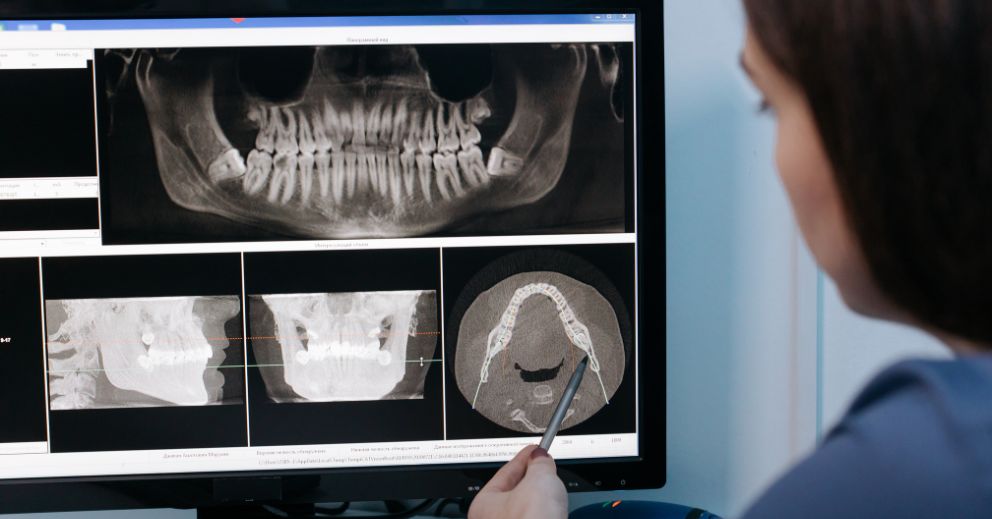
- X-rays or a 3D scan to check bone density and structure
- A discussion of any preparatory work needed, such as a bone graft or gum treatment
- A tailored plan outlining timeline, cost, and what the process involves for you specifically
Why the Scan Step Matters So Much
The X-ray or 3D scan is really the deciding factor in most cases. It shows your dentist exactly how much bone is there to anchor an implant securely.
Without enough bone, an implant can’t be placed safely, which is why this step isn’t optional. The good news is that even if bone density is low, a bone graft can often build up what’s needed over a few months.
Common Reasons People Consider Dental Implants
People usually come to this decision after living with a gap for a while, or after weighing up implants against other options like a bridge or denture.
Situations Where Implants Are Often Recommended
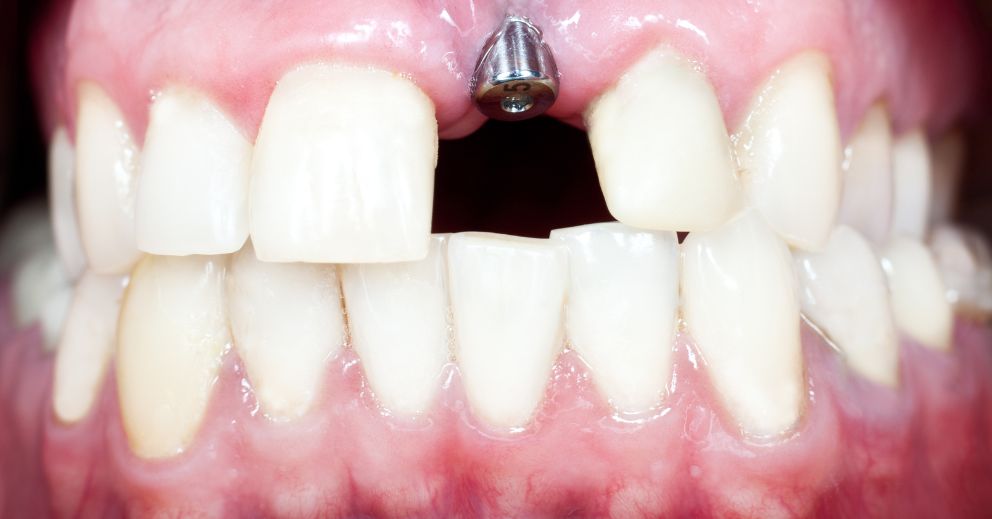
- Replacing a single missing tooth without affecting neighbouring teeth
- Supporting a full denture that’s become loose or uncomfortable
- Replacing several missing teeth in a row
- Restoring confidence in your bite and chewing ability
How Implants Compare to Other Tooth Replacement Options
Bridges and dentures are still valid choices for plenty of people, especially depending on budget or the number of teeth involved. But implants are the only option that replaces the tooth root itself, which helps preserve jawbone structure over time.
That’s a meaningful difference for people worried about long-term bone loss or facial changes that can happen after tooth loss.
Getting Ready for Your Dental Implant Consultation
A bit of preparation before your appointment can make the whole assessment smoother and give your dentist a clearer picture.
What to Bring or Think About Beforehand
- A list of current medications and any health conditions
- Details of any previous dental work, especially around the missing tooth area
- Questions about cost, timeline, and recovery
- Your smoking status, since it affects healing and success rates
Questions Worth Asking Your Dentist
It’s worth asking how many implants you might need, whether a bone graft is likely, and what the expected timeline looks like from consultation to a finished tooth. Every case is different, so getting specifics for your situation is far more useful than general information online.
At Redlands Dental, this conversation is really the starting point for everyone, including patients from Redland Bay, Gumdale, and surrounding local areas, whether you’re replacing one tooth or several.
Find Out if Dental Implants Are Right for You
If you’re weighing up whether dental implants could work for you, the clearest next step is simply booking a consultation. Redlands Dental can walk you through an assessment and give you a straightforward answer based on your own teeth and health, not general guesswork. It’s a good starting point whether you’re dealing with one missing tooth or exploring options for several.
Book a consultation with Redlands Dental today for clear, personalised advice on your dental implant options.
Key Takeaways
- Candidacy for dental implants depends on bone density, gum health, and overall health, not just missing teeth
- An X-ray or 3D scan is the key step in determining whether you have enough bone to support an implant
- Conditions like gum disease, low bone density, or smoking don’t always rule you out; they may just mean extra prep work first
- Implants are the only tooth replacement option that also helps preserve jawbone structure
- A proper consultation is the only reliable way to know if implants suit you
FAQ
How long does the whole implant process usually take from start to finish?
It varies quite a bit depending on whether you need a bone graft or gum treatment first. A straightforward single implant might be completed in a few months, while more complex cases involving grafting can take six months to a year.
Is there an age limit for getting dental implants?
There’s no strict upper age limit, and many older adults are excellent candidates as long as their jawbone and gum health support it. The main consideration for younger patients is that jaw growth needs to be complete, which is usually not an issue past the late teens.
Will I need time off work after getting an implant placed?
Most people take a day or two to recover from the placement procedure itself, though this depends on how many implants are involved. Your dentist will give you a clearer idea based on your specific treatment plan.
What happens if a scan shows I don’t have enough bone?
This doesn’t mean implants are off the table, it usually just means a bone graft is recommended first to build up the area. It adds time to the overall process but is a well-established step for many patients.
How do I know if an implant is a better choice than a bridge for my situation?
This really comes down to your specific mouth, budget, and long-term goals, which is why it’s worth discussing both options directly with your dentist. Implants tend to be favoured when preserving jawbone and avoiding impact on neighbouring teeth are priorities.




 Unhappy With My Smile
 I Have Missing Teeth
 Unhappy With My Dentures
 My Teeth Are Stained or Discolored
 Considering Teeth Straightening
 I Have A Dental Emergency
 Seeking Smile Improvement
 Help With Dental Anxiety
 General Dentistry
 Cosmetic Dentistry
 Restorative Dentistry
 Dental Implants
 Dental Veneers
 Invisalign
 Emergency Dentist
 Sedation and Sleep Dentistry