
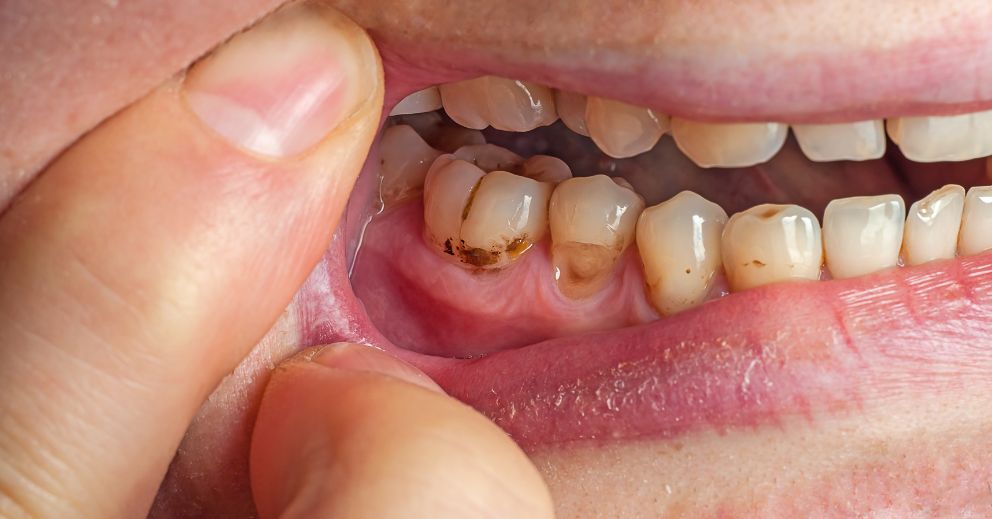
Top Tips to Prevent Tooth Decay in Kids
“Why does my child have a cavity when they brush every day?” It’s one of the most common questions parents search for after a dentist visit delivers unexpected news.
The truth is, brushing alone doesn’t always tell the full story. Tooth decay in kids is usually the result of a few small habits stacking up over time, not one big mistake.
TLDR: Tooth decay in kids is largely preventable with the right brushing habits, smarter snack choices, and regular dental check-ups. Fluoride, diet, and early dental visits all play a bigger role than most parents realise. This guide breaks down what actually works, backed by simple, practical steps you can start today.
Why Kids’ Teeth Decay Faster Than Adults’
Baby teeth have thinner enamel than adult teeth, which means acid from bacteria can break through faster. That’s why decay in young kids can seem to appear out of nowhere and progress quickly if it’s not caught early.
The Role of Bacteria and Sugar
Every mouth has bacteria, and that’s normal. The problem starts when those bacteria feed on leftover sugars and starches, producing acid that wears away enamel.
The more often a child snacks throughout the day, the more “acid attacks” their teeth face, even if the total amount of sugar isn’t huge.
Why Baby Teeth Still Matter
Some parents assume decay in baby teeth isn’t a big deal because they’ll fall out anyway. In reality, baby teeth hold space for adult teeth and support proper chewing, speech development, and confidence.
- Decayed baby teeth can cause pain and infection
- Early tooth loss can affect how adult teeth come through
- Untreated decay can lead to more complex, costly treatment later
Everyday Habits That Actually Prevent Tooth Decay
Prevention doesn’t need to be complicated. Small, consistent habits make the biggest difference over time.
Brushing Basics Parents Often Get Wrong
Many kids brush too quickly or miss the back teeth where decay often starts. Supervising or helping with brushing until around age seven or eight is a good general guide, since that’s usually when kids develop the hand coordination to do it properly on their own.
- Brush twice a day for two minutes
- Use a pea-sized amount of fluoride toothpaste
- Focus on the back molars, where food gets trapped
- Replace toothbrushes every three months
Flossing and Rinsing
Once teeth start touching each other, flossing becomes important too. Food and plaque build up between teeth just as easily as on the surface, and a toothbrush can’t reach that space.
Fluoride mouth rinses can help older kids, but they’re generally not recommended for younger children who might swallow them.
Diet Changes That Make a Real Difference
What kids eat and drink has a bigger impact on tooth decay than most parents expect, sometimes even more than brushing technique.
Hidden Sugars to Watch For
Juice, flavoured milk, and sports drinks often contain more sugar than parents realise. Even “healthy” snacks like dried fruit or muesli bars can be sticky and cling to teeth for hours.
- Limit fruit juice and offer water or plain milk instead
- Choose fresh fruit over dried fruit where possible
- Avoid sipping sugary drinks slowly over long periods
- Save sweet treats for mealtimes rather than between-meal snacks
Snack Timing Matters More Than You’d Think
Constant grazing keeps the mouth in an acidic state for longer, giving bacteria more opportunity to damage enamel. Sticking to set meal and snack times, rather than all-day nibbling, gives saliva a chance to naturally neutralise acid in between, which can be particularly helpful for busy families in Redland Bay.
The Role of Fluoride and Professional Dental Care
Fluoride strengthens enamel and helps teeth resist acid attacks, which is why it’s such a key part of decay prevention for kids.
Fluoride Toothpaste and Water
Most Australian tap water contains fluoride, which offers some natural protection. Combined with fluoride toothpaste, this gives young teeth a solid defence, though the right toothpaste strength depends on your child’s age, so it’s worth checking with your dentist.
Why Regular Check-Ups Catch Problems Early
Regular dental visits allow small issues, like the beginning stages of decay, to be spotted and managed before they turn into painful problems. Dentists can also apply protective treatments like fissure sealants, which coat the deep grooves in molars where decay commonly starts.
At Redlands Dental, we see plenty of parents who are surprised to learn how much a simple six-monthly check-up can prevent down the track. Getting kids comfortable with the dentist early also makes future visits far less stressful for everyone involved, including families from Gumdale.
Building Habits That Last Beyond Childhood
The goal isn’t just avoiding cavities now; it’s setting kids up with habits they’ll carry into adulthood.
Making Oral Care Feel Normal, Not a Chore
Kids are more likely to stick with brushing and flossing if it feels routine rather than forced. Letting them pick their own toothbrush, using a timer or song, or brushing alongside a parent can help make it feel less like a battle.
Leading By Example
Children often mirror what they see at home. When parents keep up with their own oral hygiene and dental visits, kids tend to follow suit without needing much convincing.
Give Your Child a Healthier Smile
If you’ve got questions about your child’s oral health or it’s been a while since their last check-up, the team at Redlands Gentle Dental Care is happy to help you work through the best approach for their teeth. A simple check-up now can save a lot of hassle later, particularly for families juggling busy schedules.
Getting on top of tooth decay early is one of the easiest ways to set your child up for a healthier smile long-term. Book your appointment today.
Key Takeaways
- Baby teeth decay faster than adult teeth due to thinner enamel
- Snack frequency matters as much as sugar quantity
- Supervised brushing is important until kids have the coordination to do it well alone
- Fluoride toothpaste and tap water both play a role in prevention
- Regular dental check-ups catch decay early and allow for protective treatments like sealants
- Good habits formed in childhood tend to carry into adulthood
FAQ
At what age should my child have their first dental visit?
Most dental guidelines recommend a first check-up around the time the first tooth appears, or by their first birthday at the latest. This helps your dentist track development and spot any early warning signs.
Are electric toothbrushes better than manual ones for kids?
Electric toothbrushes can help remove plaque more effectively for some kids, particularly those who rush through brushing. That said, a manual toothbrush used correctly for the full two minutes works just as well.
Can tooth decay in kids be reversed without a filling?
In the very early stages, sometimes called white spot lesions, decay can occasionally be managed with fluoride treatment and improved habits. Once decay has progressed into the tooth structure, though, a filling is usually needed to stop it spreading.
Is it normal for kids to have sensitive teeth?
Occasional sensitivity to cold foods or drinks can be normal, especially around new teeth coming through. Ongoing or sharp sensitivity is worth getting checked, as it can sometimes point to early decay or enamel wear.
How do dental sealants work and are they worth it?
Sealants are a thin protective coating applied to the chewing surfaces of back teeth, filling in the deep grooves where food and bacteria like to hide. They’re a quick, painless option many parents choose to add an extra layer of protection for molars that are prone to decay.




 Unhappy With My Smile
 I Have Missing Teeth
 Unhappy With My Dentures
 My Teeth Are Stained or Discolored
 Considering Teeth Straightening
 I Have A Dental Emergency
 Seeking Smile Improvement
 Help With Dental Anxiety
 General Dentistry
 Cosmetic Dentistry
 Restorative Dentistry
 Dental Implants
 Dental Veneers
 Invisalign
 Emergency Dentist
 Sedation and Sleep Dentistry