
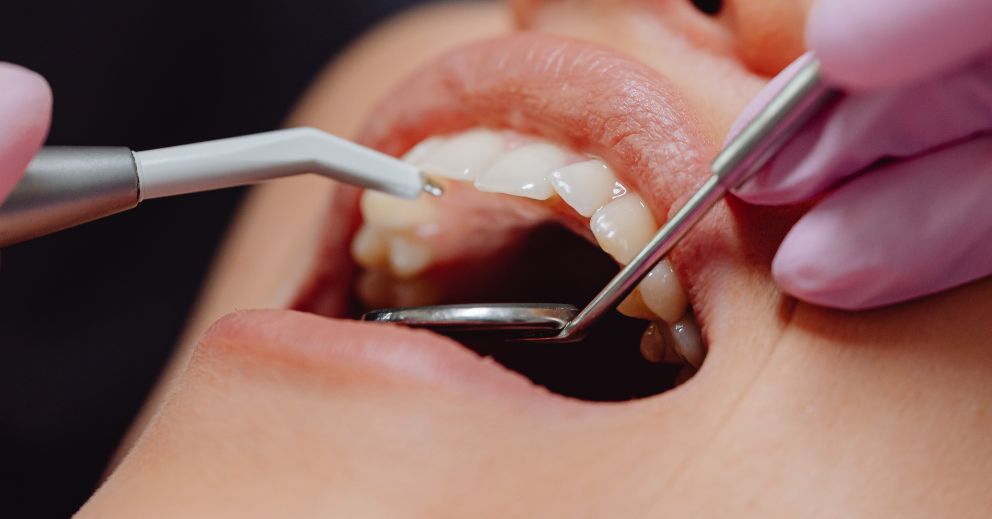
What Counts as a Dental Emergency?
Tooth pain always seems to hit at the worst possible time. Late at night. On the weekend. Right before an event. When that happens, the big question is: is this a true dental emergency, or can it wait a few days?
Not every dental issue needs urgent treatment, but some absolutely do. Knowing the difference can help you avoid serious complications and get relief faster.
Summary: A dental emergency usually involves severe pain, swelling, bleeding that won’t stop, trauma to the teeth or face, or signs of infection such as fever and facial swelling. Issues like knocked-out teeth, cracked teeth with pain, abscesses, and uncontrolled bleeding require urgent care. Mild tooth sensitivity or a lost filling may not always need same-day treatment but should still be assessed promptly. At Redlands Gentle Dental Care, patients receive gentle, personalised emergency care with decades of experience supporting the local community.
Signs you’re dealing with a dental emergency
If you’re unsure, these are the most common situations that qualify as urgent.
Severe or worsening tooth pain
If pain is:
- Constant and throbbing
- Waking you up at night
- Not relieved by over-the-counter pain relief
- Getting worse instead of better
It could indicate a deep infection or abscess that needs prompt treatment.
Facial swelling or gum swelling
Swelling around the jaw, cheek, or under the eye can signal infection.
Seek urgent dental care if you notice:
- Rapid swelling
- Fever
- Difficulty swallowing
- Trouble breathing
These symptoms require immediate attention.
Knocked-out tooth
If a permanent tooth is knocked out:
- Pick it up by the crown (not the root)
- Rinse gently if dirty
- Try placing it back into the socket if possible
- If not, store it in milk or saliva
- Get to a dentist immediately
Time matters. Acting quickly can improve the chance of saving the tooth.
Cracked or broken tooth with pain
A chipped tooth without pain may not be urgent, but if you have:
- Sharp pain when biting
- Sensitivity to hot or cold
- Visible cracks with discomfort
It should be assessed quickly to prevent infection or further damage.
Bleeding that won’t stop
After an injury or dental procedure, some minor bleeding is normal. But if bleeding continues for more than 10 to 15 minutes despite pressure, seek urgent care.
Dental abscess
A dental abscess is a serious infection and may present as:
- A pimple-like swelling on the gum
- Severe pain
- Bad taste or odour
- Swelling in the face or neck
This is not something to “wait out”. Infections can spread and become dangerous if untreated.
What may not be an emergency (but still needs attention)
Not everything requires same-day treatment, but that doesn’t mean you should ignore it.
These issues usually need prompt, but not emergency, appointments:
- Lost fillings without pain
- Mild tooth sensitivity
- Minor chips without discomfort
- Broken dentures
- A loose crown without pain
If you’re unsure, it’s always better to call and ask.
When to go to hospital instead of the dentist
If you experience:
- Difficulty breathing
- Severe facial swelling spreading rapidly
- High fever with dental pain
- Significant trauma to the face or jaw
Go directly to the nearest emergency department.
What to do while waiting for your appointment
If you’re experiencing dental pain:
- Take over-the-counter pain relief as directed
- Rinse with warm salt water
- Apply a cold compress to the outside of your cheek for swelling
- Avoid chewing on the affected side
- Keep the area clean
Avoid placing aspirin directly on the gum. It can cause tissue burns.
Why acting quickly matters
Dental infections don’t usually resolve on their own. Delaying treatment can lead to:
- Worsening pain
- Spread of infection
- More complex treatment
- Higher costs
Early intervention often means simpler solutions.
How Redlands Gentle Dental Care can help
At Redlands Gentle Dental Care, you’re not just a patient; you’re family. With over four decades of experience serving families in Tingalpa, Manly West, and surrounding suburbs, the team understands that dental emergencies can feel stressful and overwhelming.
If you’re unsure whether your situation counts as a dental emergency, don’t wait and worry. Contact Redlands Gentle Dental Care for advice and support. Book an appointment today.
Key takeaways
- Severe pain, swelling, infection, knocked-out teeth, and uncontrolled bleeding are dental emergencies.
- Rapid facial swelling or difficulty breathing requires urgent medical care.
- Some issues may not be emergencies but should still be checked promptly.
- Acting early can prevent complications and reduce treatment complexity.
- Gentle, experienced care makes a difference during stressful situations.
FAQ
How do I know if my toothache is a dental emergency?
A toothache may be a dental emergency if the pain is severe, constant, getting worse, keeping you awake, or accompanied by swelling, fever, or a bad taste in the mouth. These signs can point to infection and should be checked as soon as possible.
Is a knocked-out tooth always an emergency?
Yes. A knocked-out permanent tooth needs urgent dental care straight away. Acting quickly gives the best chance of saving the tooth, especially if it is kept moist and handled carefully by the crown.
Should I go to the dentist or the hospital for a dental emergency?
If you have severe tooth pain, swelling, or a damaged tooth, a dentist is usually the right place to go. If you have difficulty breathing, rapid facial swelling, high fever, or serious trauma to the face or jaw, go straight to the nearest emergency department.
Can a cracked or broken tooth wait a few days?
It depends on the symptoms. A small chip without pain may not need same-day care, but a cracked or broken tooth with pain, sensitivity, swelling, or bleeding should be treated quickly to avoid further damage or infection.



 Unhappy With My Smile
 I Have Missing Teeth
 Unhappy With My Dentures
 My Teeth Are Stained or Discolored
 Considering Teeth Straightening
 I Have A Dental Emergency
 Seeking Smile Improvement
 Help With Dental Anxiety
 General Dentistry
 Cosmetic Dentistry
 Restorative Dentistry
 Dental Implants
 Dental Veneers
 Invisalign
 Emergency Dentist
 Sedation and Sleep Dentistry