Wisdom Teeth Removal in Victoria Point Delivered with Precision and Genuine Care
Why Choose Us
Why Choose Redlands Gentle Dental Care for General Dentistry in Victoria Point
We Focus on the Whole Picture
Care That Builds Long-Term Trust
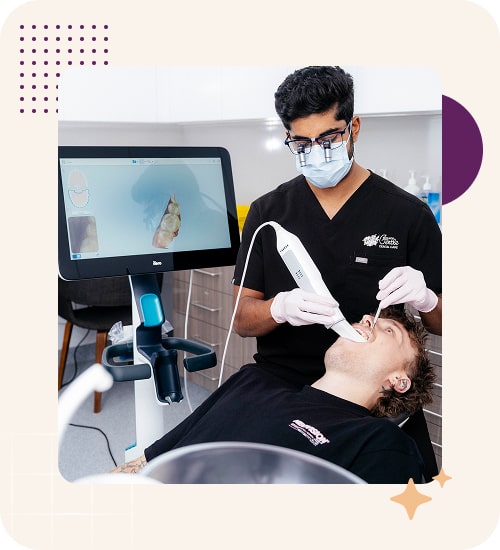
Guidance for Every Stage of Life
Your Local Team in Victoria Point
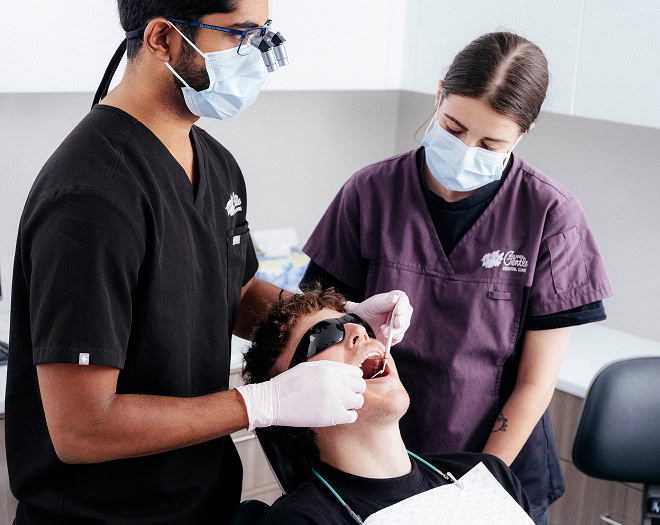
A Simple Step That Helps Manage Pain and Safeguard Your Oral Health
Who May Need Wisdom Teeth Removal and Why It Matters
Wisdom teeth removal is often recommended when these teeth create problems that affect oral health or overall comfort. Ideal candidates typically experience issues related to spacing, alignment, or recurring discomfort, making removal a beneficial preventive step.
- Candidates may include individuals with impacted wisdom teeth that remain trapped beneath the gumline, leading to pain or swelling.
- Those with overcrowded teeth may need removal to prevent shifting and misalignment of surrounding teeth.
- Patients experiencing repeated gum infections around partially erupted wisdom teeth are often advised to consider extraction.
- Wisdom teeth that erupt at awkward angles may be difficult to clean, increasing the risk of decay and the need to remove a damaged tooth.
Understand the Benefits of Timely Wisdom Teeth Removal
- Removing third molar teeth eliminates pain caused by impacted or partially erupted teeth, providing immediate relief and improving daily comfort.
- Extraction prevents infections and tooth decay by addressing areas that are difficult to clean, reducing the likelihood of gum disease.
- It addresses crowding issues, helping nearby teeth maintain proper alignment and reducing unnecessary wear.
- Wisdom teeth removal lowers the risk of complications, such as cysts or damage to neighbouring teeth, promoting better oral health.
Experience the Difference of Gentle Care with Us
How We Can Help
Learn How Wisdom Teeth Removal Can Address Your Dental Problem
Unhappy With My Smile
Considering Teeth Straightening
I Have a Dental Emergency
Our Payment Options
Find What Works for Your Financial Needs With Our Dental Payment Options
Child Dental Benefits Schedule
Invest in your child's smile with the Child Dental Benefits Schedule (CDBS). This government program offers eligible families financial support for essential dental services, promoting good oral health habits from an early age.
The CDBS covers up to $1,095 over two years for basic dental care like check-ups, cleanings, and fillings for children aged zero to 17. Eligibility depends on Medicare status and specific government payments, making quality dental care more accessible to families.
Learn MoreDental Services for DVA Card Holders
Veterans deserve high-quality dental care, and the Department of Veterans' Affairs (DVA) program delivers just that. The program offers dental benefits that vary based on card type.
Gold Card holders receive comprehensive cover for clinically necessary treatments, from routine check-ups to advanced procedures. White Card holders are covered for dental care related to accepted service-related conditions or mental health needs. Our clinic proudly supports veterans by providing high-quality dental care to maintain their overall health.
Learn MoreHumm
Simplify your dental care payments with Humm, a flexible financing option that lets you smile now and pay later. This interest-free payment plan allows you to spread the cost of your dental treatments over time, making essential care more accessible.
Humm is available for various dental services, from routine check-ups to more complex procedures. With instant approval and the ability to manage your account online, Humm helps you prioritise your oral health without financial stress.
Learn MoreZip
We offer Zip to help patients manage treatment costs. With credit limits between $1,000 and $50,000, eligible patients can select flexible repayment terms from three to 60 months, making it easier to manage costs.
Zip is ideal for anyone needing dental care without upfront costs. The user-friendly app allows you to track payments easily, so you can stay on budget while prioritising your oral health.
Learn MoreSuperCare
With the help of SuperCare, eligible patients can release their superannuation funds early to access essential dental procedures. This option is suitable for families lacking sufficient health funds or available resources, covering services such as orthodontics, implants, and root canal therapies.
SuperCare's consultants guide you through the straightforward application process, simplifying what can often be complex. This service enables you to prioritise your family's oral health without the burden of upfront costs.
Learn MoreAfterPay
Experience the convenience of dental care with Afterpay, allowing you to receive treatments now and pay later in four easy instalments over six weeks. This payment option is available to anyone over 18, a practical choice for adults looking to enhance and maintain oral health.
With no interest charges when payments are made on time, Afterpay promotes responsible budgeting. Payments are automatically deducted from your linked debit or credit card for a smooth experience.
Learn MoreBupa Preferred Provider
Enjoy exclusive benefits and hassle-free claims when you choose our clinic, a Bupa Preferred Provider, for your dental health needs. Our patients can access a comprehensive range of services, including check-ups and major procedures, often at reduced out-of-pocket costs.
Members First Ultimate also offers 100% back on two dental check-ups and cleans every six months, making regular oral care more affordable. Our partnership with Bupa allows you to receive quality care while maximising your benefits.
Learn MoreHCF Preferred Provider
Experience affordable, high-quality dental care at Redlands Gentle Dental Care. As an HCF preferred provider, patients with eligible dental cover can access reduced out-of-pocket costs, no-gap services for selected treatments, and streamlined claims processing.
HCF members can take advantage of these benefits by choosing our clinic for their dental needs. Check your policy to understand covered treatments and annual limits, and let us help you achieve a healthier, brighter smile.
Learn Morenib Preferred Provider
Access professional dental care at our clinic, a trusted part of nib's First Choice network. As a nib Preferred Provider, we offer members the opportunity to receive quality dental care at agreed rates. This provides a transparent and straightforward experience for your dental needs.
Nib members benefit from reduced out-of-pocket costs and simplified claims processes at our clinic. To make the most of your cover, review your policy for applicable limits and service inclusions.
Learn MoreWisdom Teeth Extraction Insights

Frequently Asked Questions
Wondering what to expect with wisdom teeth removal in Victoria Point? We’ve answered some of the most common questions to help you feel more at ease.
How many days does it take to recover from wisdom teeth removal?
Most people feel noticeably better within 3 to 5 days after wisdom teeth removal, especially as swelling and tenderness begin to subside. Gum tissue healing usually takes around 2 to 3 weeks, while bone healing may require several months.
Recovery time can vary based on several factors, including:
- The number of teeth removed:
Extracting all four wisdom teeth may result in a longer recovery than removing just one. - Whether the teeth were impacted:
Impacted teeth (trapped beneath the gums or bone) often require a more complex procedure, which may lead to a longer recovery time. - Whether the procedure was planned or urgent:
An emergency tooth extraction due to sudden pain, infection, or swelling may involve more inflammation and discomfort, which can affect the overall recovery experience. - Your body’s ability to recover:
Age, immune health, and lifestyle factors such as smoking can all influence how quickly you feel better.
How well aftercare instructions are followed: Proper care—such as keeping the area clean, avoiding strenuous activity, and eating soft foods—can significantly improve recovery and reduce complications.
To support a smooth recovery:
- Get plenty of rest, especially in the first 24 to 48 hours after your procedure.
- Eat soft, cold foods such as yoghurt, smoothies, mashed vegetables, or soup to avoid irritating the area.
- Avoid smoking, drinking through straws, or any activity that creates suction in the mouth, as this may dislodge the blood clot.
- Take any prescribed medication or mouth rinses exactly as directed by your dentist to help manage discomfort and promote healing.
If you experience persistent pain, swelling, or any unusual symptoms, it’s important to contact your dental provider promptly.
How long until wisdom teeth holes close?
After wisdom teeth extraction, it’s normal for small holes, called extraction sites or sockets, to remain open where the teeth once were. While the gums begin closing within the first week, complete closure of the hole—both soft tissue and bone—takes longer.
Here’s a general timeline:
- 7 to 10 days:
The surface of the gum typically begins to close over. - 3 to 4 weeks:
Most of the soft tissue has healed, though the site may still feel tender. - 3 to 6 months:
The bone underneath gradually fills in and the area fully stabilises.
Some patients may feel food getting stuck in the extraction site during the early stages. This is common and usually improves as the site continues to heal. Gentle rinsing and following your dentist’s cleaning instructions can help. If you’re unsure whether your healing is on track, you may schedule a follow-up checkup.
When is a dry socket no longer a risk?
Dry socket usually occurs within the first 3 to 5 days after wisdom teeth extraction. It happens when the protective blood clot becomes dislodged or doesn’t form properly, exposing the bone underneath. This can cause sharp, persistent pain and delay healing.
Here’s what typically happens day by day:
- Days 1–3:
The blood clot is forming and settling in place. This stage is the most sensitive, and any disruption—like vigorous rinsing or sucking through a straw—can dislodge the clot and cause bleeding at the extraction site. - Days 4–5:
If the blood clot has stayed intact, discomfort may start to ease, and the risk of dry socket drops significantly. However, if the clot becomes dislodged or dissolves during this stage, pain that had been subsiding may suddenly worsen again. - Days 6–7:
The area becomes more stable. Most people are outside the typical risk window by this stage, especially if no new or worsening pain has developed. - After Day 7:
Dry socket is unlikely to occur at this point. The healing is gradually progressing, and discomfort should continue to lessen.
To lower your risk, avoid smoking, forceful rinsing, carbonated drinks, and straws for the first several days. If pain increases rather than improves, or if it feels sharp and radiates to the ear or jaw, contact your dentist immediately.
What should I avoid doing after getting my wisdom teeth out?
In the first few days after wisdom teeth extraction, it helps to be mindful of your daily habits. Certain actions can interfere with the healing of the extraction site and may increase the risk of complications.
Here’s what you should avoid:
- Chewing on the extraction site:
Try to chew on the opposite side of your mouth to prevent disruption of the extraction site. - Touching the area with your tongue or fingers:
This can loosen the blood clot or introduce bacteria, so it’s important to keep the site undisturbed. - Consuming hot or spicy foods:
Hot foods can cause the blood vessels around the area to dilate, leading to bleeding. Spicy foods can cause a burning or stinging sensation on exposed tissues, causing discomfort. - Bending over or intense exercise:
Strenuous movement can increase blood flow and may lead to throbbing or bleeding near the extraction site.
Small adjustments like these can promote a more comfortable recovery. If you experience anything unusual or are uncertain, contact your dentist for guidance.
How long after wisdom teeth extraction can I eat?
You can usually start eating a few hours after your procedure once the numbness has completely worn off. This helps prevent accidentally biting your cheek or tongue, which can happen when sensation hasn’t fully returned.
It’s a good idea to begin with very soft foods and take small bites. There’s no need to rush—eating slowly and gently at first can make recovery more comfortable and reduce irritation. The type of food you choose during this time can make a big difference in how comfortable your recovery feels.
What are the foods I can eat during wisdom teeth extraction recovery?
After wisdom teeth extraction, soft and easy-to-swallow foods can help you stay comfortable while still getting the nourishment you need. Try to avoid anything that may irritate the area or require too much chewing, especially in the first few days.
Here’s a quick guide to what’s suitable and what to avoid:
| Recommended Foods | Foods to Avoid |
| Yoghurt, custard, or jelly | Crunchy foods like chips, toast, or nuts |
| Mashed vegetables (potato, pumpkin) | Sticky sweets like caramel or chewing gum |
| Scrambled eggs or pasta | Spicy or acidic foods |
| Lukewarm soups (not hot) | Very hot foods or drinks |
| Smoothies (from a cup, not straw) | Anything requiring a straw |
| Oats or porridge | Tough meats or chewy bread |
Begin with soft foods and introduce firmer textures gradually as your comfort improves. If you’re unsure when to reintroduce certain foods, your dentist can advise you based on your recovery progress.
Will my dentist put me to sleep for wisdom teeth removal?
Not always. Many wisdom teeth extractions can be completed using local anaesthesia, where the area is numbed and you remain awake but comfortable. This is often suitable for straightforward cases.
In cases where teeth are deeply impacted, multiple teeth are being removed, or the procedure is complex, your dentist may recommend sedation. For patients with certain medical conditions, general anaesthesia may be recommended, and treatment may instead be carried out in a hospital setting.
Several factors are considered when deciding whether to put a patient to sleep for wisdom teeth removal:
- The number of teeth being removed:
If all four wisdom teeth are being extracted at once, sedation may be more suitable. - The position and complexity of the teeth:
Impacted or deeply embedded teeth can make the procedure longer or more invasive, which may warrant deeper sedation. - Your comfort level or anxiety:
Some patients feel especially nervous about dental procedures and may benefit from a sedation option that allows them to feel more relaxed. - Medical history or specific health considerations:
Certain health conditions or medications may influence which anaesthesia or sedation method is most appropriate.
Your dentist will talk through these options with you beforehand to help choose the approach that suits your needs and comfort.
How much does it cost to remove a wisdom tooth, and do health funds cover the procedure?
The cost of wisdom tooth removal depends on the type and complexity of the extraction. A simple removal generally ranges from $232 to $315, while a complex extraction, such as for an impacted tooth requiring oral surgery, can range between $518 and $1,180.
Health funds may help cover part of the cost if you hold major dental extras. This also applies to situations where a wisdom tooth removal is performed as an emergency tooth extraction due to sudden pain or infection.
To help you prepare:
- You can request a personalised dental plan and an itemised quote before going ahead with the procedure.
- It’s a good idea to contact your health fund to confirm what’s included in your level of cover.
- You may wish to ask whether your procedure will be completed in a clinic or hospital setting, as this can affect how your health fund processes your claim.
Your dentist will explain your available options and provide clear pricing details to help you consider your choices.