Trusted Restorative Dentistry in Capalaba for Lasting Results and Confident, Natural-Looking Smiles

Redlands Gentle Dental Care offers restorative dentistry Capalaba families can trust—supporting oral function, comfort, and natural appearance with personalised, evidence-based care.

Why Choose Us

Why Choose Redlands Gentle Dental Care for Restorative Dentistry

Redlands Gentle Dental Care provides personalised restorative dentistry focused on rebuilding function, comfort, and oral health. We tailor each treatment to support long-term outcomes for damaged, decayed, or missing teeth.
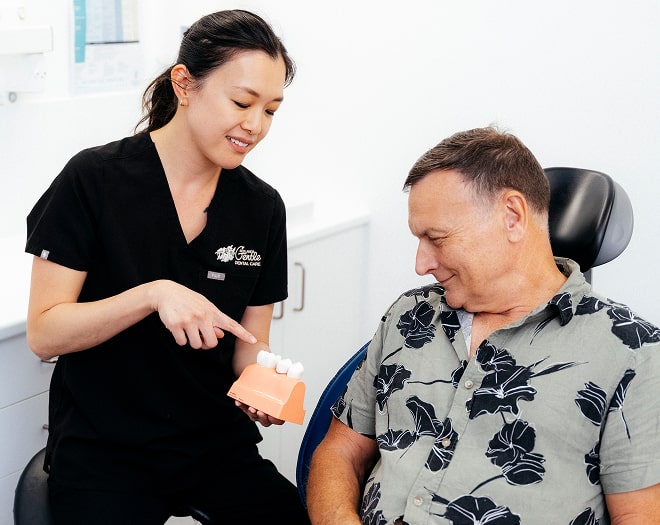
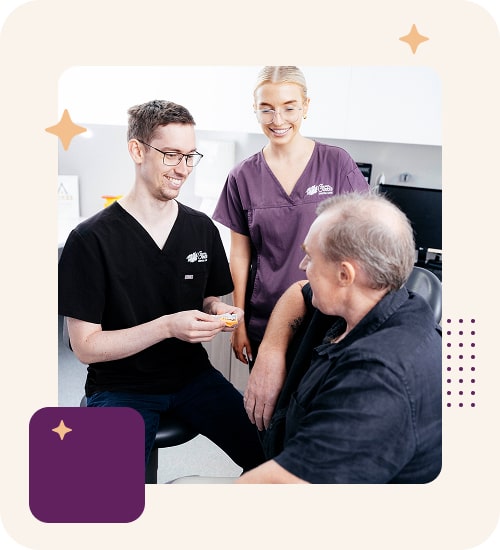
Dental professional showing a tooth model to a seated male patient in a surgery.

Support Everyday Comfort and Confidence with Restorative Dentistry

Damaged or missing teeth can interfere with how you chew, speak, and feel about your smile. This may lead to discomfort, reduced confidence, or changes in daily function. At Redlands Gentle Dental Care, we offer restorative dentistry in Capalaba and nearby areas to help patients enhance their comfort, appearance, and long-term oral health.

Two Convenient Locations

Quality Dental Services Made Accessible for Families in the Victoria Point and Capalaba Areas

Our clinics in Victoria Point and Capalaba provide convenient access to quality dental care for families in the area. With two easily accessible locations, we make it easy to prioritise your family’s oral health close to home.

Capalaba Dental Clinic

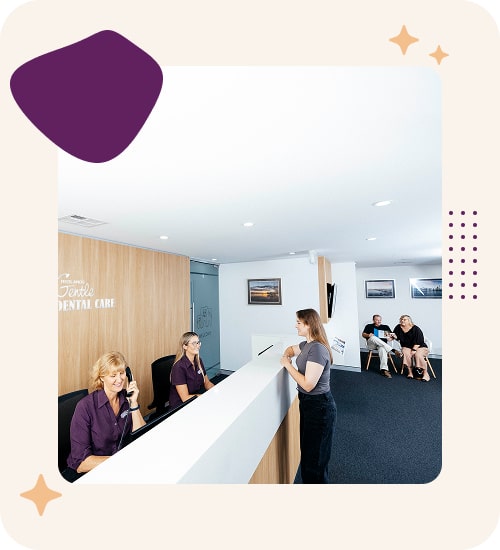
Our Capalaba Dental Clinic offers a welcoming, family-friendly environment with modern facilities designed for patient comfort. Conveniently located near Capalaba Central Shopping Centre, it provides easy access for locals. We offer a full range of dental services, including general and emergency care, to meet the needs of every patient. Our team strives to provide a positive experience for the whole family with our personalised dental care.

Victoria Point Dental Clinic

The clinic is centrally located in Victoria Point Shopping Centre, providing convenient access for families in the community. It offers a wide range of dental treatments to meet the needs of patients of all ages. The environment is designed to make patients feel at ease during visits. With modern equipment and a dedicated team, the clinic delivers reliable care to support long-term oral health.

Restorative Dental Treatments

Tailored Restorative Dental Services to Support Function, Appearance, and Long-Term Oral Health

Each treatment is tailored to address your specific oral health needs. These procedures aim to restore function and improve the natural appearance of your teeth. Every approach is evidence-based and designed to promote long-term comfort and dental health.

Restore Tooth Structure and Function with Custom Dental Crowns

Crowns are custom-made caps placed over weakened or worn teeth. They help protect the tooth and restore its strength, appearance, and function.

Fill Spaces from Tooth Loss with Dental Bridges

Bridges replace one or more missing teeth using support from nearby teeth or implants. They help restore chewing ability and prevent unwanted tooth movement.

Comfortable Dentures for Everyday Comfort and Confidence

Custom dentures are designed to replace several or all missing teeth. They restore oral function, support facial structure, and improve comfort and appearance.

Preserve Natural Teeth with Gentle Root Canal Treatment

Root canal therapy removes infected tissue from inside the tooth. It helps relieve discomfort, preserve the natural tooth, and support long-term oral health.

Durable Inlays and Onlays for Long-Term Tooth Protection

Inlays and onlays are strong, tooth-coloured restorations. They reinforce worn or damaged teeth while preserving more of your natural tooth than a full crown.

Redlands Gentle Dental Care

Prioritise Your Oral Health. Book A Consultation Today.

A personalised consultation offers the opportunity to explore treatment options that align with your oral health needs. Taking early steps towards function, comfort, and confidence can help support your long-term well-being. Appointments are available to suit a range of schedules and preferences.

Restoring Healthy Smiles

Manage Common Dental Concerns with Restorative Dentistry Care

Many people experience changes in their teeth that affect comfort, function, or appearance. A personalised treatment approach can support your smile and make you feel more at ease in daily life.

Our Payment Options

Find What Works for Your Financial Needs With Our Dental Payment Options

We understand that dental care costs can be a concern for many patients. Our clinic offers flexible payment plans to help you access the treatment you need without straining your budget. Here are your options:

Child Dental Benefits Schedule

Invest in your child's smile with the Child Dental Benefits Schedule (CDBS). This government program offers eligible families financial support for essential dental services, promoting good oral health habits from an early age.

The CDBS covers up to $1,095 over two years for basic dental care like check-ups, cleanings, and fillings for children aged zero to 17. Eligibility depends on Medicare status and specific government payments, making quality dental care more accessible to families.

Learn More

Dental Services for DVA Card Holders

Veterans deserve high-quality dental care, and the Department of Veterans' Affairs (DVA) program delivers just that. The program offers dental benefits that vary based on card type.

Gold Card holders receive comprehensive cover for clinically necessary treatments, from routine check-ups to advanced procedures. White Card holders are covered for dental care related to accepted service-related conditions or mental health needs. Our clinic proudly supports veterans by providing high-quality dental care to maintain their overall health.

Learn More

Humm

Simplify your dental care payments with Humm, a flexible financing option that lets you smile now and pay later. This interest-free payment plan allows you to spread the cost of your dental treatments over time, making essential care more accessible.

Humm is available for various dental services, from routine check-ups to more complex procedures. With instant approval and the ability to manage your account online, Humm helps you prioritise your oral health without financial stress.

Learn More

Zip

We offer Zip to help patients manage treatment costs. With credit limits between $1,000 and $50,000, eligible patients can select flexible repayment terms from three to 60 months, making it easier to manage costs.

Zip is ideal for anyone needing dental care without upfront costs. The user-friendly app allows you to track payments easily, so you can stay on budget while prioritising your oral health.

Learn More

SuperCare

With the help of SuperCare, eligible patients can release their superannuation funds early to access essential dental procedures. This option is suitable for families lacking sufficient health funds or available resources, covering services such as orthodontics, implants, and root canal therapies.

SuperCare's consultants guide you through the straightforward application process, simplifying what can often be complex. This service enables you to prioritise your family's oral health without the burden of upfront costs.

Learn More

AfterPay

Experience the convenience of dental care with Afterpay, allowing you to receive treatments now and pay later in four easy instalments over six weeks. This payment option is available to anyone over 18, a practical choice for adults looking to enhance and maintain oral health.

With no interest charges when payments are made on time, Afterpay promotes responsible budgeting. Payments are automatically deducted from your linked debit or credit card for a smooth experience.

Learn More

Bupa Preferred Provider

Enjoy exclusive benefits and hassle-free claims when you choose our clinic, a Bupa Preferred Provider, for your dental health needs. Our patients can access a comprehensive range of services, including check-ups and major procedures, often at reduced out-of-pocket costs.

Members First Ultimate also offers 100% back on two dental check-ups and cleans every six months, making regular oral care more affordable. Our partnership with Bupa allows you to receive quality care while maximising your benefits.

Learn More

HCF Preferred Provider

Experience affordable, high-quality dental care at Redlands Gentle Dental Care. As an HCF preferred provider, patients with eligible dental cover can access reduced out-of-pocket costs, no-gap services for selected treatments, and streamlined claims processing.

HCF members can take advantage of these benefits by choosing our clinic for their dental needs. Check your policy to understand covered treatments and annual limits, and let us help you achieve a healthier, brighter smile.

Learn More

nib Preferred Provider

Access professional dental care at our clinic, a trusted part of nib's First Choice network. As a nib Preferred Provider, we offer members the opportunity to receive quality dental care at agreed rates. This provides a transparent and straightforward experience for your dental needs.

Nib members benefit from reduced out-of-pocket costs and simplified claims processes at our clinic. To make the most of your cover, review your policy for applicable limits and service inclusions.

Learn More

Answers You Need

Frequently Asked Questions

The FAQ section addresses common questions about procedures, comfort, materials, and how restorations can improve oral health.

Restorative dentistry focuses on restoring the structure and function of natural teeth that may be worn, damaged, decayed or missing. It plays an important role in supporting long-term oral health, comfort, and daily function. Patients considering restorative dental care in Capalaba often explore treatments such as fillings, onlays, inlays, crowns, bridges or dentures, based on individual needs.

Restorative dentistry can contribute to oral health in the following ways:

  • It helps restore normal chewing and bite function, making it easier to eat a wider variety of foods comfortably.
  • It protects weakened or fractured teeth by strengthening the tooth and reducing the risk of further structural damage.
  • It replaces missing teeth, which can help prevent nearby teeth from shifting out of position.
  • It improves comfort during eating and speaking by providing stable and natural-feeling restorations.
  • It restores smoother tooth surfaces, which can make brushing and flossing more effective and reduce plaque build-up.
  • It contributes to proper jaw alignment, which can help maintain facial structure and balance over time.

Each treatment is tailored to the patient’s specific dental condition and aims to support long-term oral health through practical, evidence-based care.

Restorative dentistry focuses on improving function, comfort, and oral health by addressing issues like missing, damaged, or weakened teeth.

Cosmetic dentistry, on the other hand, is primarily concerned with enhancing the visual appearance of your smile. While both areas can sometimes overlap, they serve different purposes.
Key differences include:

  • Purpose:
    Restorative care aims to support chewing, speaking, and long-term dental health. Cosmetic care focuses on improving the smile’s overall appearance.
  • Functionality:
    Restorative procedures restore how teeth work. Cosmetic procedures are usually optional and centred on aesthetics.
  • Examples:
    Restorative procedures may include crowns, bridges, root canal therapy, and dentures. Cosmetic options may involve whitening, veneers, or gum contouring.
  • Health Impact:
    Restorative care is often necessary to manage discomfort, prevent complications, or enhance oral function. Cosmetic care may improve confidence, but it is not always medically required.

Your dentist may sometimes combine both approaches to improve patient comfort and confidence with a single treatment plan.

Private health funds may offer cover for certain restorative procedures, depending on the policy type, included services, and the provider you choose.

Patients accessing restorative dentistry in Capalaba sometimes use their health fund to help manage the cost of eligible care. Factors that can influence whether a procedure is covered include the following:

  • Policy type:
    Some policies include general services, while others provide additional support for complex dental procedures.
  • Service category:
    Fillings may fall under general care, while crowns or bridges are usually considered more advanced services.
  • Waiting periods:
    Health funds often require a set amount of time before specific items are covered.
  • Annual limits:
    Most policies include yearly limits that apply to specific types of dental treatments.
  • Provider relationships:
    Some health funds work with preferred providers, which may offer set fee arrangements or lower out-of-pocket expenses.

It’s important to contact your health fund directly to confirm which services are included under your plan. If you’re unsure, the team at Redlands Gentle Dental Care can also help you understand what may be available under your current policy.

Restorative dental procedures help manage teeth that are damaged, weakened, or missing due to decay, trauma, or normal wear and tear. Patients considering restorative dental services in Capalaba often explore the following options:

  • Dental fillings:
    These restore a tooth affected by decay by sealing the damaged area and bringing back the tooth to its natural form.
  • Crowns:
    A crown is a custom-made cap placed over a weakened or damaged tooth to provide strength and protection.
  • Bridges:
    A bridge replaces one or more missing teeth by anchoring an artificial tooth to adjacent natural teeth or implants.
  • Dentures:
    These removable prosthetics are designed to replace multiple missing teeth, helping to restore chewing and speaking functions.
  • Root canal therapy:
    This procedure removes infected or inflamed tissue from inside a tooth to preserve its natural structure.
  • Inlays and onlays:
    These are custom restorations used when a filling is insufficient and a full crown is not yet necessary.
  • Dental implants:
    Implants are titanium posts placed in the jaw to support crowns, bridges, or dentures, thereby restoring stability.

Each of these damaged or missing tooth options is recommended based on your individual oral health, function, and comfort goals.

The longevity of a dental restoration depends on the type of procedure, the materials used, and the level of care provided for it.

  • Crowns and bridges typically last between 5 and 15 years when maintained through regular care and check-ups.
  • Custom dentures usually require replacement or adjustment every 5 to 8 years due to changes in the mouth’s shape over time.
  • Dental implants can remain functional for more than 20 years when placed with precise technique and supported by healthy gum and bone tissue.

Several factors influence the overall lifespan of a dental restoration:

  • The material used plays a significant role in durability, with options such as ceramic and titanium known for their exceptional strength.
  • The type of restoration affects longevity, with implant-supported options often lasting longer than removable alternatives.
  • Oral hygiene habits such as daily brushing and flossing help prevent decay and gum disease around restored teeth.
  • Functional habits, such as grinding, clenching, or biting hard objects, can lead to wear or damage over time.
  • Routine dental visits enable the early detection of any wear or issues that could impact the success of the restoration.
  • Gum and bone health are crucial for stability, particularly in cases involving implants and bridges.
  • Lifestyle choices such as smoking or frequent sugary food consumption may increase the risk of complications.

With good daily habits and regular professional care, most restorations can offer years of reliable support for both function and appearance.

Restorative dental care may be appropriate when a tooth has been compromised in a way that affects its structure, function, or long-term health.

You may consider seeking restorative dental care in Capalaba if:

  • You have visible wear or fractures on your teeth that affect your ability to chew or speak comfortably.
  • A tooth is missing or has been removed, and you’re seeking options to restore appearance and balance.
  • There is persistent discomfort linked to a weakened or decayed tooth, even if it’s not visibly damaged.
  • Your current restorations, such as dentures, crowns, or bridges, may feel loose or no longer fit well.
  • You’ve had recent dental trauma that has compromised the integrity of one or more teeth.
  • You are planning cosmetic work, and your dentist recommends structural improvements as a foundation for aesthetic results.
  • You are experiencing reduced bite function, which may lead to uneven pressure or jaw strain.
  • You wish to support long-term oral health by addressing minor issues before they progress.

A personalised consultation can help determine whether restorative dental treatment in Capalaba is suitable for your needs and guide you towards appropriate options.

Yes, restorative treatments can help protect teeth that have been affected by decay, wear, or trauma by providing structural support and reinforcing weakened areas.
Below is a list of how these treatments can help prevent further tooth damage:

  • Crowns help cover and reinforce compromised teeth, reducing the risk of cracks or further breakdown.
  • Fillings seal areas where decay has been removed, preventing bacteria from re-entering the tooth.
  • Inlays and onlays restore strength to larger areas while preserving more of the natural tooth.
  • Root canal therapy removes infection and preserves the remaining healthy tooth structure.
  • Bridges and dentures support bite balance, which can reduce uneven wear on surrounding teeth.
  • Dental implants help maintain jawbone density and prevent neighbouring teeth from shifting.

Early intervention often allows for more conservative treatment and supports long-term function and comfort.

Failing to replace a missing tooth can lead to gradual changes that may impact your oral health, comfort, and bite function over time.

  • Teeth adjacent to the gap can drift out of alignment, which may affect how your teeth come together and make cleaning more challenging.
  • Jawbone shrinkage usually occurs in the area of the missing tooth, especially if the space is not filled with a restoration that supports bone.
  • Chewing efficiency may decline, resulting in uneven pressure on adjacent teeth and potential discomfort during eating.
  • Changes in speech may develop, particularly if the missing tooth is near the front of your mouth.
  • Facial structure can be affected by tooth loss, especially if multiple teeth are missing, as the bone and tissue support may be reduced.

If you’re exploring options for missing teeth, your dentist can guide you through treatments designed to support long-term oral health and daily comfort.

Most restorative procedures involve minimal discomfort, and a local anaesthetic is commonly used to keep the patient comfortable during treatment.

  • A dental restoration is designed with your comfort in mind, using techniques that aim to preserve healthy tooth structure.
  • Local anaesthetic is applied to numb the area being worked on, so you typically won’t feel pain during the procedure.
  • Mild sensitivity or tenderness may occur once the anaesthetic wears off, particularly after more extensive treatment.
  • Your dentist will provide instructions to help you manage any temporary discomfort and support your recovery at home.
  • If pain lasts longer than expected, a follow-up visit is recommended to review the site and address any concerns.

Your dentist will also explain what to expect before and after your appointment to help you feel more at ease.

Restorations can become worn or damaged over time due to bite pressure, changes in surrounding teeth, or underlying dental issues. Early signs may indicate that the restoration requires reassessment.

You may observe the following:

  • You feel persistent discomfort or sensitivity when biting or chewing on the restored tooth.
  • The surface of the restoration feels rough or uneven.
  • You notice visible cracks, chips, or movement in a crown, filling, or other dental appliance.
  • Food becomes more frequently trapped around or between the restored area and neighbouring teeth.
  • There is swelling, redness, or soreness in the gum area near the restoration.
  • Your bite feels different or misaligned, with certain teeth touching earlier than others.

If you notice any of these signs, your dentist can examine the restoration and recommend any care needed to support your comfort and long-term oral health.

Recovery times can vary depending on the type of tooth restoration and your oral health. Most procedures require minimal downtime, and many patients can return to their normal activities on the same day.

Below is a general guide:

  • Fillings usually require minimal recovery, and any mild sensitivity typically settles within a few days.
  • Crowns and bridges may cause some tenderness, especially in the surrounding gum area, for a few days after placement.
  • Root canal treatment may result in mild soreness, particularly around the affected tooth, which generally improves within a few days.
  • Custom dentures usually need an adjustment period, especially if you are wearing them for the first time. This allows your mouth to adapt to the new fit.
  • Dental implants often involve a longer healing period, which can range from several weeks to a few months as the bone integrates with the implant.

Your dentist will explain what to expect after your procedure and provide care instructions to help promote a smooth recovery.

Tooth restoration procedures are generally safe, especially when carefully planned and delivered by a qualified dental professional.

However, like all dental treatments, there are some risks or complications to be aware of. Your dentist will always discuss these with you before beginning any procedure.
Some considerations may include:

  • You may experience mild sensitivity or tenderness following your tooth restoration, which usually subsides within a few days.
  • It is possible to develop temporary gum irritation near the affected area, particularly after receiving fillings, dental crowns, or bridges.
  • A tooth restoration may occasionally need adjustment if it affects your bite or causes discomfort while chewing.
  • In cases involving deep decay or root canal treatment, there is a small risk of infection or inflammation after the procedure.
  • Over time, a restoration such as a filling, crown, or bridge may loosen or wear down, requiring maintenance or replacement.

Tooth restoration treatments are designed to enhance comfort, improve function, and promote long-term oral health.

Your dentist will guide you through every step of the process and provide aftercare advice to minimise any risks and promote a smooth recovery.

Redlands Gentle Dental Care

Your Family's Dental Health Is Our Priority

Your nearby dentist is here to support your family's dental health with care you can trust. Our team provides services for every stage of life. Let us help keep your family's smiles bright and healthy.