Feel Good About Your Smile Again with Restorative Dentistry in Victoria Point
Why Choose Us
Why Choose Redlands Gentle Dental Care for Restorative Dentistry
Accredited Dental Clinic Delivering
Safe and Reliable Restorative Care
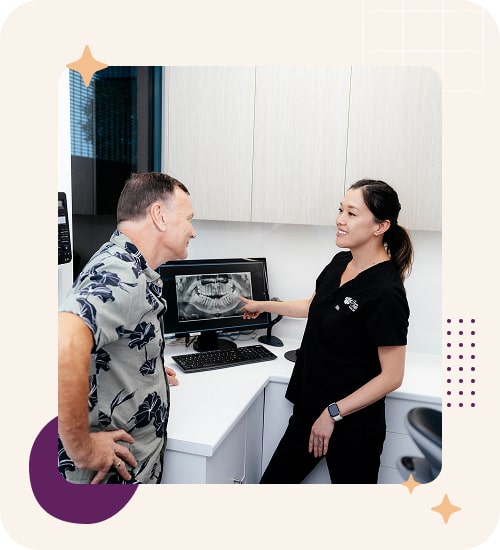
Advanced Technology for Precise and Comfortable Restorative Treatments
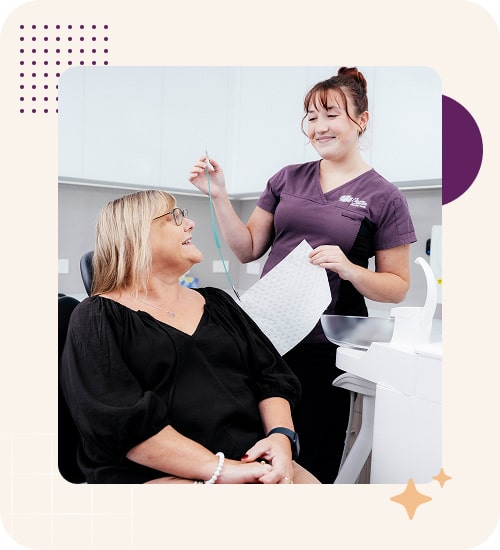
Over 40 Years of Experience Restoring Healthy Smiles
Flexible Payment Plans and Clear Pricing for Restorative Treatments
Explore the Benefits of Today’s Restorative Dental Treatment Options
Missing or damaged teeth can make daily life uncomfortable. You might struggle to eat, speak, or smile confidently. Today’s restorative dental treatments are designed to improve function, boost comfort, and promote your long-term oral health and appearance.
Two Convenient Locations
Quality Dental Services Made Accessible for Families in the Victoria Point and Capalaba Areas
Capalaba Dental Clinic
- (07) 3245 5511
- 149 Old Cleveland Rd Capalaba, QLD, 4157
- Free Parking Available
Victoria Point Dental Clinic
- (07) 3820 7777
- 2/1 Bunker Road, Victoria Point, QLD, 4165
- Free Parking Available
Dental Restorations
We Offer Restorative Procedures for Teeth That Are Missing, Worn, or Damaged
At Redlands Gentle Dental Care, we provide restorative dentistry in Victoria Point for teeth that are damaged, worn down, or missing. Our treatment options aim to enhance function, alleviate discomfort, and promote lasting oral health and smile confidence.
Support Tooth Function and Appearance with Dental Crowns
Replace Lost Teeth and Fill Gaps Using Dental Bridges
Dental bridges replace one or more missing teeth by anchoring a natural-looking tooth between adjacent healthy teeth. They help restore chewing ability, maintain alignment, and support a complete and confident smile.
Address Multiple Missing Teeth with Comfortable Custom Dentures
Root Canal Care to Preserve Damaged or Infected Teeth
Root canal therapy removes inflamed or infected tissue inside the tooth while preserving its structure. This approach promotes comfort, helps you preserve natural teeth, and reduces the need for further dental work.
Strengthen and Restore Teeth with Inlays and Onlays
Inlays and onlays are custom restorations for teeth with moderate wear. They fit precisely to strengthen biting surfaces while blending with your natural teeth, enabling everyday function and a healthy, natural-looking smile.
Take the Next Step Towards Restoring Your Smile
How We Can Help
Explore Which Dental Issues May Be Managed with Restorative Dentistry
Restorative dentistry supports patients with damaged, worn, missing, or weakened teeth. At Redlands Gentle Dental Care, we offer personalised care to enhance oral function, comfort, and appearance. Our goal is to help you smile, eat, and speak with renewed confidence.
Unhappy With My Smile
I Have Missing Teeth
Unhappy With My Dentures
My Teeth Are Stained or Discoloured
Seeking Smile Improvement
Our Payment Options
Find What Works for Your Financial Needs With Our Dental Payment Options
Child Dental Benefits Schedule
Invest in your child's smile with the Child Dental Benefits Schedule (CDBS). This government program offers eligible families financial support for essential dental services, promoting good oral health habits from an early age.
The CDBS covers up to $1,095 over two years for basic dental care like check-ups, cleanings, and fillings for children aged zero to 17. Eligibility depends on Medicare status and specific government payments, making quality dental care more accessible to families.
Learn MoreDental Services for DVA Card Holders
Veterans deserve high-quality dental care, and the Department of Veterans' Affairs (DVA) program delivers just that. The program offers dental benefits that vary based on card type.
Gold Card holders receive comprehensive cover for clinically necessary treatments, from routine check-ups to advanced procedures. White Card holders are covered for dental care related to accepted service-related conditions or mental health needs. Our clinic proudly supports veterans by providing high-quality dental care to maintain their overall health.
Learn MoreHumm
Simplify your dental care payments with Humm, a flexible financing option that lets you smile now and pay later. This interest-free payment plan allows you to spread the cost of your dental treatments over time, making essential care more accessible.
Humm is available for various dental services, from routine check-ups to more complex procedures. With instant approval and the ability to manage your account online, Humm helps you prioritise your oral health without financial stress.
Learn MoreZip
We offer Zip to help patients manage treatment costs. With credit limits between $1,000 and $50,000, eligible patients can select flexible repayment terms from three to 60 months, making it easier to manage costs.
Zip is ideal for anyone needing dental care without upfront costs. The user-friendly app allows you to track payments easily, so you can stay on budget while prioritising your oral health.
Learn MoreSuperCare
With the help of SuperCare, eligible patients can release their superannuation funds early to access essential dental procedures. This option is suitable for families lacking sufficient health funds or available resources, covering services such as orthodontics, implants, and root canal therapies.
SuperCare's consultants guide you through the straightforward application process, simplifying what can often be complex. This service enables you to prioritise your family's oral health without the burden of upfront costs.
Learn MoreAfterPay
Experience the convenience of dental care with Afterpay, allowing you to receive treatments now and pay later in four easy instalments over six weeks. This payment option is available to anyone over 18, a practical choice for adults looking to enhance and maintain oral health.
With no interest charges when payments are made on time, Afterpay promotes responsible budgeting. Payments are automatically deducted from your linked debit or credit card for a smooth experience.
Learn MoreBupa Preferred Provider
Enjoy exclusive benefits and hassle-free claims when you choose our clinic, a Bupa Preferred Provider, for your dental health needs. Our patients can access a comprehensive range of services, including check-ups and major procedures, often at reduced out-of-pocket costs.
Members First Ultimate also offers 100% back on two dental check-ups and cleans every six months, making regular oral care more affordable. Our partnership with Bupa allows you to receive quality care while maximising your benefits.
Learn MoreHCF Preferred Provider
Experience affordable, high-quality dental care at Redlands Gentle Dental Care. As an HCF preferred provider, patients with eligible dental cover can access reduced out-of-pocket costs, no-gap services for selected treatments, and streamlined claims processing.
HCF members can take advantage of these benefits by choosing our clinic for their dental needs. Check your policy to understand covered treatments and annual limits, and let us help you achieve a healthier, brighter smile.
Learn Morenib Preferred Provider
Access professional dental care at our clinic, a trusted part of nib's First Choice network. As a nib Preferred Provider, we offer members the opportunity to receive quality dental care at agreed rates. This provides a transparent and straightforward experience for your dental needs.
Nib members benefit from reduced out-of-pocket costs and simplified claims processes at our clinic. To make the most of your cover, review your policy for applicable limits and service inclusions.
Learn MoreDiscover Restorative Dentistry Insights

Frequently Asked Questions
Restorative dentistry supports oral health by improving function and comfort. Our FAQs highlight common treatment options and how they contribute to long-term dental health.
What does restorative dentistry include?
Restorative dentistry includes various procedures aimed at restoring the strength, function, and aesthetics of teeth affected by decay, trauma, or general wear. These treatments focus on maintaining oral health and preventing further complications.
Treatment options may include:
- Dental crowns
cover and protect teeth with extensive damage or after root canal treatment. - Dental bridges
fill spaces left by missing teeth, helping you chew and speak more comfortably. - Composite fillings
which are matched to your tooth’s colour, are used to restore areas of teeth that are decayed or worn out. - Inlays and onlays
are fabricated to fit precisely within the contours of a tooth that needs added reinforcement. - Dental implants
are embedded into the jawbone to hold artificial teeth securely in place. - Custom dentures
tailored for comfort and function, offer a removable option for replacing multiple missing teeth. - Root canal therapy
helps preserve a natural tooth by addressing inflammation or infection within its internal structure.
Your dentist will recommend a personalised approach based on your oral health needs and treatment goals.
What is the goal of restorative dentistry?
The primary goal of restorative dentistry in Victoria Point is to improve oral health by restoring the function and appearance of teeth that are damaged, worn, or missing. It focuses on maintaining the natural structure of your smile while enhancing daily comfort and well-being.
Through personalised restorative dental treatments, dentists aim to address issues such as missing teeth, tooth decay, worn enamel, or fractures. These procedures help prevent further complications and promote better chewing, speaking, and oral hygiene.
Whether it’s a simple filling or a more complex tooth restoration, the focus remains on helping patients achieve long-term dental stability and renewed confidence.
Can decayed teeth be restored?
Yes, many decayed teeth can be restored using appropriate techniques that support function, comfort, and oral health. The treatment approach will depend on the extent of the decay and the condition of the surrounding tooth structure.
Common tooth restoration methods include:
- Tooth-coloured fillings:
These are used for mild to moderate decay and restore the tooth by filling the affected area with a natural-looking composite material. - Inlays or onlays:
These custom-made restorations are ideal for larger areas of decay. They are bonded securely within or over the tooth to add strength and protect the remaining structure. - Dental crowns:
When a tooth is significantly weakened or fractured by decay, a crown may be placed over it to restore durability, shape, and appearance. - Root canal treatment:
If decay has reached the inner tissue of the tooth, root canal therapy may be required to remove the infected tissue. A crown is often placed afterwards to strengthen the tooth.
Each approach is selected based on the extent of decay and your overall oral health. Your dentist will recommend a treatment plan that aligns with your needs and comfort.
Are dental implants considered restorative?
Yes, dental implants are widely recognised as a form of restorative dentistry. They help replace missing teeth by acting as artificial roots placed into the jawbone. These implants provide a stable foundation for prosthetic options, including crowns, bridges, and custom dentures.
Unlike removable alternatives, implants are surgically placed into the jawbone, where they integrate with the bone over time. This integration helps support natural chewing function and preserves jaw structure. Once healed, a natural-looking restoration, often a crown or bridge, is securely attached.
Is root canal therapy considered restorative?
Yes, root canal therapy is a key part of restorative dentistry. It helps preserve a tooth that has been affected by deep decay or infection, rather than removing it entirely.
During the procedure, the infected pulp inside the tooth is carefully removed. The inner space is then cleaned, shaped, and sealed to prevent further bacterial growth. A dental crown is often placed afterwards to restore strength and function.
This approach supports long-term oral health by maintaining your natural tooth structure.
How long will my dental restoration last?
The lifespan of restorative dental treatments varies, depending on the type of restoration, materials used, and daily habits.
For example, dental crowns and bridges typically last 5–15 years, whereas custom dentures may require replacement every 5–8 years. Dental implants can last 20 years or more when placed using proper technique and clinical planning. They are especially effective for full arches, free-end bridges, or single-tooth replacement.
Factors that affect the longevity of restorative dental treatments include the following:
- Material used:
Titanium (commonly used in implants) and ceramic-based materials are strong and biocompatible. - Type of rstoration:
Implant-supported options tend to last longer than removable ones. - Oral hygiene habits:
Regular brushing and flossing help reduce plaque and gum disease, preserving the restoration. - Bite pressure and use:
Excessive grinding or chewing hard items can wear down crowns, bridges, and dentures. - Dental visits:
Regular checkups help identify early signs of wear or complications. - Changes in bone or gum structure:
Bone loss or gum recession may reduce stability of the teeth, affecting the longevity of the restorations. - Lifestyle factors:
Smoking and high-sugar diets can impact both natural teeth and restorations.
With consistent care, restorations can improve comfort, appearance, and oral function.
What materials are commonly used for dental restorations?
Dental restorations are made from a range of materials chosen for their durability, safety, and natural appearance. Each material plays a different role depending on the tooth’s location and the type of restoration required.
Here are some commonly used materials:
- Composite Resin:
This tooth-coloured material is frequently used for smaller restorations, such as fillings. It bonds directly to the tooth and blends well with surrounding natural teeth. Composite resin is suitable for discreetly restoring worn or decayed teeth. - Porcelain:
Porcelain closely resembles the colour and texture of natural teeth. It is often used in crowns, bridges, and veneers. This makes it a popular option for teeth that are visible when smiling or speaking. - Titanium:
Titanium is a strong, biocompatible metal used in dental implant posts. It integrates with the jawbone to create a stable foundation for crowns, bridges, or custom dentures. Its long-term reliability makes it well suited for replacing missing teeth. - Zirconia:
Zirconia is a non-metal alternative that offers both strength and an aesthetic appearance. It is commonly used for crowns or implant restorations, especially for patients seeking a metal-free option. - Metal Alloys:
Alloys such as gold and nickel-chromium are selected for areas that require high strength and durability. These are often used in back teeth or implant components where pressure from chewing is greater.
The material chosen depends on your dental needs, oral health, and personal preferences. Your dentist will recommend a suitable option to improve function, comfort, and appearance.
What is the difference between dental crowns and bridges?
Dental crowns and dental bridges are both used to restore the structure and function of compromised or missing teeth. However, they are used in different situations and serve different purposes.
Below is a comparison of their key features:
Purpose
- Dental crowns are designed to fully cover a tooth that has become fragile due to wear, decay, or structural damage, helping reinforce and restore it.
- Dental bridges fill gaps left by missing teeth by anchoring artificial teeth to adjacent healthy teeth, helping restore both appearance and function.
Application
- A crown is fitted over a single tooth that has been structurally compromised, often after procedures like a root canal or the placement of a large filling, to restore its form and function.
- A bridge attaches to nearby teeth or implants and supports an artificial tooth that fills the gap.
Function
- Crowns help restore the strength, appearance, and bite function of a single tooth.
- Bridges restore chewing ability, help maintain bite alignment, and prevent surrounding teeth from shifting.
Structure
- A crown is a single, custom-made cap that fits over one or more teeth.
- A bridge includes one or more prosthetic teeth joined to crowns on either side, which are secured to surrounding teeth or implants for support.
Both options are personalised to your needs and contribute to improved comfort, oral stability, and the appearance of your smile.
How many dental appointments will I need for my restorative treatment?
The number of dental appointments needed varies depending on the type of procedure and your oral health needs. Some treatments are completed in a single visit, while others may involve multiple steps across several weeks or months.
Here is a general overview:
- Fillings:
Most fillings can be completed in a single visit. The dentist removes the decayed and weakened parts and applies a tooth-coloured material to restore the tooth during the same appointment. - Dental Crowns and Bridges:
These usually require at least two appointments. The first visit involves shaping the tooth and taking impressions, while the second is for fitting and placing the final crown or bridge. - Dental Implants:
Implant procedures often involve multiple appointments spread over several months. This process includes surgically placing the implant post, allowing for healing time, and then fitting the crown or bridge once the area is ready. - Root Canal Therapy:
This procedure generally requires one to three visits, depending on the affected tooth and the complexity of the internal anatomy and extent of infection or damage. - Dentures:
Creating custom dentures usually involves multiple visits. These appointments usually include impression taking, trial fittings, and adjustments to achieve comfort and stability.
The total number of visits for your treatment will depend on your personalised treatment plan. Your dentist will explain each stage clearly so you can plan with confidence.
What is the typical cost range for restorative dental treatments?
The cost of restorative dental treatments depends on several factors, including the type of procedure, the complexity of care, and the materials involved. The following guide outlines common treatments and their typical price ranges:
- Fillings
Simple fillings generally range between $200 and $300, depending on the location and size of the cavity. More complex fillings can range from $350 to $850, especially if multiple surfaces or back teeth are involved. - Dental Crowns and Bridges
The cost of a dental crown varies based on the material used, typically ranging from $1,700 to $3,000. Dental bridges, used to replace one or more missing teeth, can cost between $3,100 and over $7,800, depending on the number of units and the type of bridge. - Dental Implants
A straightforward dental implant generally costs between $3,000 and $6,800. If additional procedures are needed, such as bone grafting or a sinus lift, the cost may exceed $11,000 per implant. - Root Canal Therapy
The cost of root canal treatment varies depending on the complexity of the case. It generally ranges from $1,100 to $3,400. Treatment for molars or teeth with multiple canals tends to be more complex and may cost more. This does not include the cost of a dental crown, which is commonly recommended after the procedure. - Inlays and Onlays
A single-surface dental inlay or onlay costs approximately $950 on average. Additional surfaces or increased complexity can add to the overall cost. - Dentures
A full upper or lower custom denture usually ranges from $1,600 to $2,800. A complete set of upper and lower dentures can range from $2,800 to $5,300, depending on the materials used and the extent of the restoration.
These cost ranges are indicative and may differ depending on your unique dental requirements and the specific procedure involved.
Once your needs have been carefully assessed, a personalised treatment plan will be outlined, along with a transparent breakdown of expected costs.