Straighten Your Smile Discreetly With Invisalign in Capalaba

Looking into Invisalign in Capalaba for a more subtle orthodontic option? These clear, removable aligners are designed to gently guide teeth into better alignment while being less visible than traditional metal braces.

Why Choose Us

Why Capalaba Locals Trust Us for Invisalign Treatment and Care

Choosing Invisalign is a big step, and we’re here to make it simple. Our Capalaba team takes the time to understand your needs and provide customised care every step of the way. From advanced technology to trusted experience, here’s why so many Capalaba patients choose us for their Invisalign treatment.

top invisalign img min

Invisalign: Modern Straightening With No Brackets

Not everyone feels confident wearing metal braces, especially in adulthood. The visibility and discomfort can feel discouraging. Invisalign uses clear, custom-made aligners that are barely noticeable. Designed for flexibility and discretion, this modern orthodontic option helps guide teeth into alignment without wires or brackets. It also makes it easier to maintain your normal routine throughout treatment.

Two Convenient Locations

Quality Dental Services Made Accessible for Families in the Victoria Point and Capalaba Areas

Our clinics in Victoria Point and Capalaba provide convenient access to quality dental care for families in the area. With two easily accessible locations, we make it easy to prioritise your family’s oral health close to home.

Capalaba Dental Clinic

Our Capalaba Dental Clinic offers a welcoming, family-friendly environment with modern facilities designed for patient comfort. Conveniently located near Capalaba Central Shopping Centre, it provides easy access for locals. We offer a full range of dental services, including general and emergency care, to meet the needs of every patient. Our team strives to provide a positive experience for the whole family with our personalised dental care.

Victoria Point Dental Clinic

The clinic is centrally located in Victoria Point Shopping Centre, providing convenient access for families in the community. It offers a wide range of dental treatments to meet the needs of patients of all ages. The environment is designed to make patients feel at ease during visits. With modern equipment and a dedicated team, the clinic delivers reliable care to support long-term oral health.

Invisalign Tailored Just for You

Experience Personalised Invisalign Treatment for Straighter Teeth and Confidence

Everyone’s smile is unique, and so is their orthodontic journey. Invisalign treatment is tailored to your needs using clear, removable aligners. It’s designed to gradually reposition your teeth with minimal visibility, convenience, and less interference with eating, speaking, or social activities.

Start Your Journey to a Straighter Smile With an Invisalign Consultation

Thinking about Invisalign in Capalaba? A consultation helps determine whether clear aligners are suitable for your needs. Your dentist will assess your teeth and outline a treatment approach tailored to your oral health and alignment goals.
Redlands Gentle Dental Care

Book Your Invisalign Consultation and Feel the Difference in Care

Are you ready to take the first step? Book your Invisalign consultation at our Victoria Point clinic today. Experience personalised care and advanced digital planning with a team focused on your comfort and confidence.

How We Can Help

Find Out What Dental Issues Invisalign Can Address

Invisalign isn’t just for cosmetic improvements. It can also address functional issues like crowding, spacing, or mild bite concerns. These problems can affect chewing, speech, and long-term oral health. Clear aligners provide a discreet treatment option for addressing dental alignment issues over time.

Invisalign Success Stories of Redlands Gentle Dental Care Patients

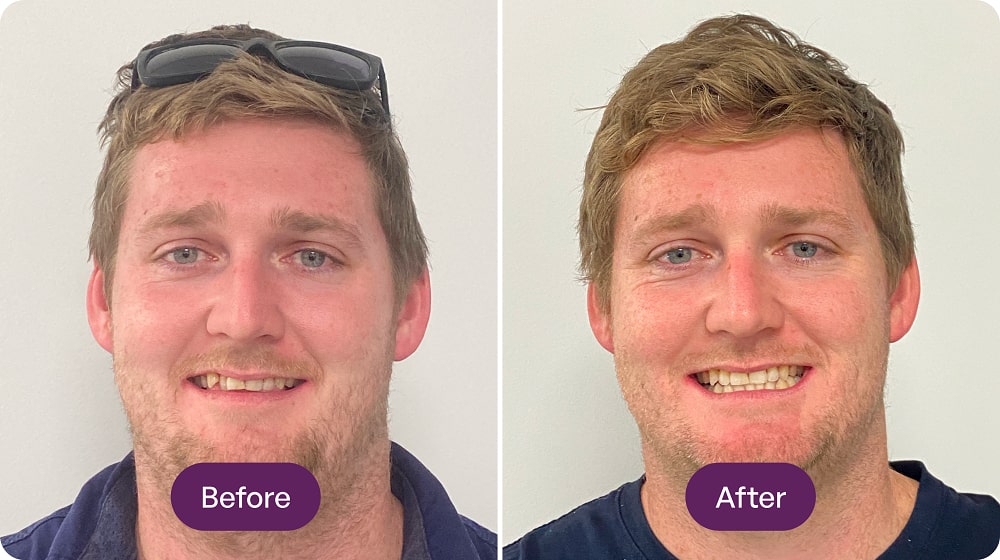
Side-by-side photos labelled "Before" and "After" showing a smile change at our Capalaba dental practice.

Ciaran, 28 years old

Treatment: Moderate case

Duration: 12 months

Ciaran, a 28-year-old patient, wanted to enhance his smile and improve his bite, and we were excited to help him achieve his goals! Under the professional guidance of Dr. Chris, he underwent a 12-month Invisalign journey that resulted in a beautifully aligned smile. His transformation speaks for itself—straight, confident, and life-changing! His before and after photos highlight the amazing transformation he underwent.

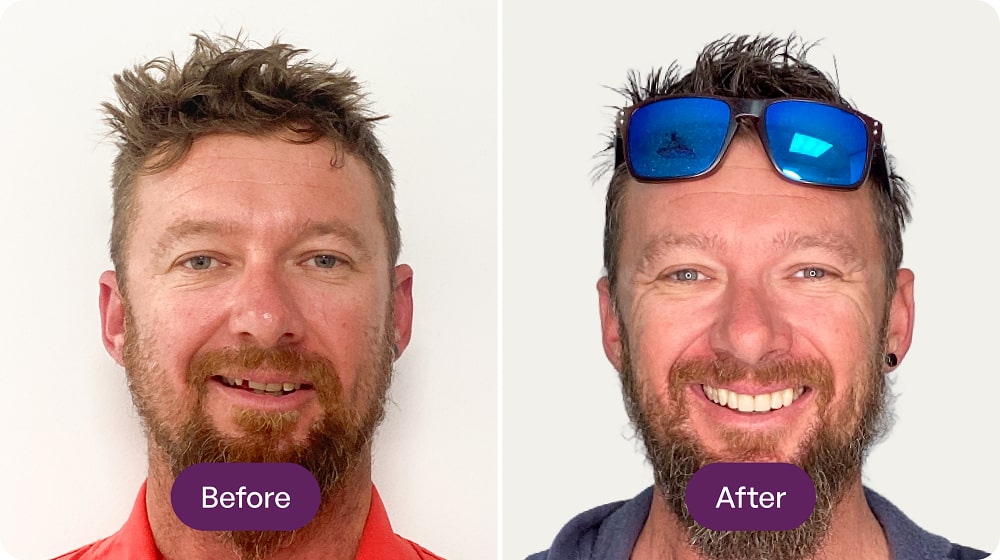
Side-by-side of a man before and after visiting a dentist; right image shows sunglasses and a smile.

John, 41 years old

Treatment: Lite case

Duration: 5 months

John came to us looking to improve his smile. As a busy dad of 3, he wasn’t happy with his teeth and felt it was time to invest in his dental health and happiness. A treatment plan was devised utilising a combination of restorations, crowns and bridges. The results speak for themselves. John was a great patient to treat and all the team enjoyed seeing him grow in confidence and entertain us with his friendly conversations.

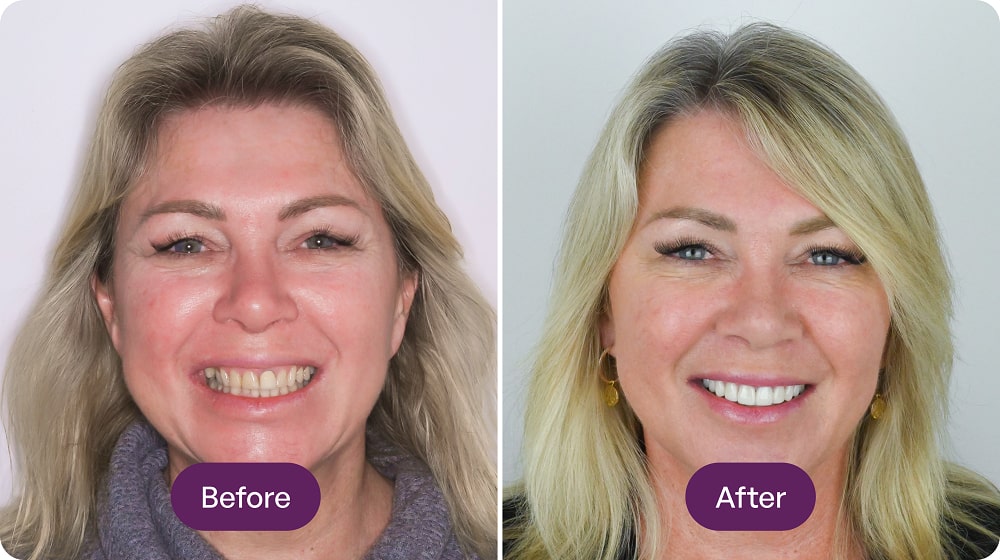
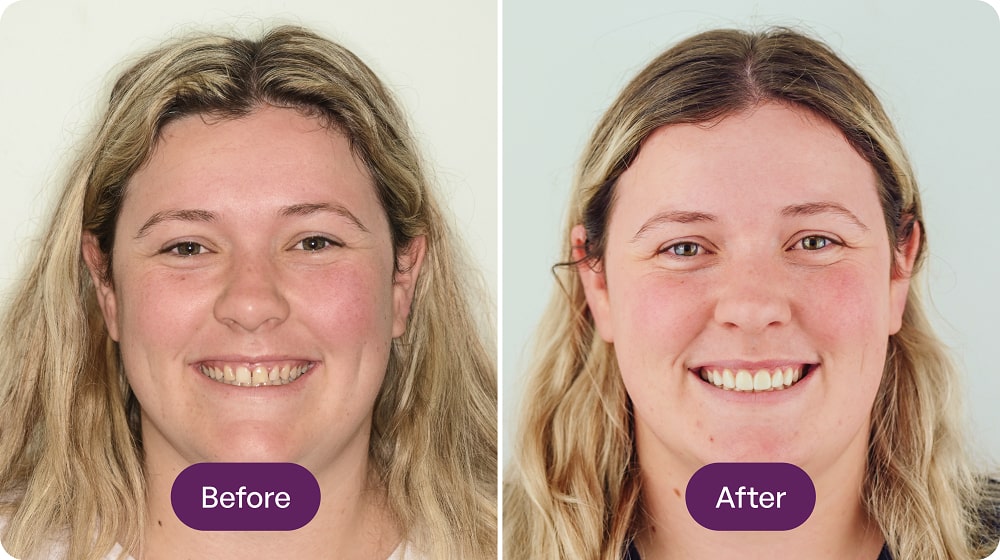
Before and After

Explore Invisalign Smile Transformations of Our Happy Patients

This section shows how Invisalign has been used to address various orthodontic concerns. Each case represents an individual treatment approach tailored to alignment needs. Outcomes vary, and your dentist can help determine if Invisalign aligns with your oral health goals.

Our Payment Options

Find What Works for Your Financial Needs With Our Dental Payment Options

We understand that dental care costs can be a concern for many patients. Our clinic offers flexible payment plans to help you access the treatment you need without straining your budget. Here are your options:

Child Dental Benefits Schedule

Invest in your child's smile with the Child Dental Benefits Schedule (CDBS). This government program offers eligible families financial support for essential dental services, promoting good oral health habits from an early age.

The CDBS covers up to $1,095 over two years for basic dental care like check-ups, cleanings, and fillings for children aged zero to 17. Eligibility depends on Medicare status and specific government payments, making quality dental care more accessible to families.

Learn More

Dental Services for DVA Card Holders

Veterans deserve high-quality dental care, and the Department of Veterans' Affairs (DVA) program delivers just that. The program offers dental benefits that vary based on card type.

Gold Card holders receive comprehensive cover for clinically necessary treatments, from routine check-ups to advanced procedures. White Card holders are covered for dental care related to accepted service-related conditions or mental health needs. Our clinic proudly supports veterans by providing high-quality dental care to maintain their overall health.

Learn More

Humm

Simplify your dental care payments with Humm, a flexible financing option that lets you smile now and pay later. This interest-free payment plan allows you to spread the cost of your dental treatments over time, making essential care more accessible.

Humm is available for various dental services, from routine check-ups to more complex procedures. With instant approval and the ability to manage your account online, Humm helps you prioritise your oral health without financial stress.

Learn More

Zip

We offer Zip to help patients manage treatment costs. With credit limits between $1,000 and $50,000, eligible patients can select flexible repayment terms from three to 60 months, making it easier to manage costs.

Zip is ideal for anyone needing dental care without upfront costs. The user-friendly app allows you to track payments easily, so you can stay on budget while prioritising your oral health.

Learn More

SuperCare

With the help of SuperCare, eligible patients can release their superannuation funds early to access essential dental procedures. This option is suitable for families lacking sufficient health funds or available resources, covering services such as orthodontics, implants, and root canal therapies.

SuperCare's consultants guide you through the straightforward application process, simplifying what can often be complex. This service enables you to prioritise your family's oral health without the burden of upfront costs.

Learn More

AfterPay

Experience the convenience of dental care with Afterpay, allowing you to receive treatments now and pay later in four easy instalments over six weeks. This payment option is available to anyone over 18, a practical choice for adults looking to enhance and maintain oral health.

With no interest charges when payments are made on time, Afterpay promotes responsible budgeting. Payments are automatically deducted from your linked debit or credit card for a smooth experience.

Learn More

Bupa Preferred Provider

Enjoy exclusive benefits and hassle-free claims when you choose our clinic, a Bupa Preferred Provider, for your dental health needs. Our patients can access a comprehensive range of services, including check-ups and major procedures, often at reduced out-of-pocket costs.

Members First Ultimate also offers 100% back on two dental check-ups and cleans every six months, making regular oral care more affordable. Our partnership with Bupa allows you to receive quality care while maximising your benefits.

Learn More

HCF Preferred Provider

Experience affordable, high-quality dental care at Redlands Gentle Dental Care. As an HCF preferred provider, patients with eligible dental cover can access reduced out-of-pocket costs, no-gap services for selected treatments, and streamlined claims processing.

HCF members can take advantage of these benefits by choosing our clinic for their dental needs. Check your policy to understand covered treatments and annual limits, and let us help you achieve a healthier, brighter smile.

Learn More

nib Preferred Provider

Access professional dental care at our clinic, a trusted part of nib's First Choice network. As a nib Preferred Provider, we offer members the opportunity to receive quality dental care at agreed rates. This provides a transparent and straightforward experience for your dental needs.

Nib members benefit from reduced out-of-pocket costs and simplified claims processes at our clinic. To make the most of your cover, review your policy for applicable limits and service inclusions.

Learn More

Your Invisalign Questions, Answered

Frequently Asked Questions

Starting clear aligner treatment often comes with questions. These FAQs explain what to expect from Invisalign, including daily routines and treatment timelines. The goal is to support confident decisions based on your needs and lifestyle.

Invisalign is one of several types of orthodontic treatments available to help align teeth. While all methods aim to improve bite and alignment, they vary in appearance, how they’re worn, and their impact on daily routines. Here’s how Invisalign compares with commonly used alternatives:

  • Visibility:
    Invisalign aligners are made from clear plastic and are designed to be discreet when worn. They offer the appearance of nearly invisible braces, making them a popular option for people who prefer a low-profile alternative. In contrast, metal or ceramic braces are more noticeable and usually attached to the front or back of the teeth.
  • Wearability:
    Invisalign aligners are removable, meaning you can take them out for meals and oral care. Other options, including bracket-based systems, are worn continuously and adjusted by your dentist during dental appointments.
  • Materials and Comfort:
    Invisalign aligners are smooth and custom-made for your mouth. Traditional braces use brackets and wires, which can sometimes cause irritation to the inside of the mouth or gums.
  • Cleaning and Maintenance:
    With Invisalign, you can remove the aligners to brush and floss your teeth as usual. Braces require extra care when cleaning around wires and brackets, which may take more time and tools like floss threaders.
  • Follow-up Visits:
    Invisalign often involves fewer in-clinic appointments, as patients transition to a new set of aligners at home every one to two weeks. Other systems may require more frequent adjustments or wire changes.
  • Treatment Scope:
    Invisalign may be suitable for mild to moderate alignment needs. Depending on the complexity of the tooth movement or bite adjustment required, your dentist might recommend another orthodontic option that provides greater control in certain cases.

Invisalign works by gently moving your teeth over time using a series of clear, removable aligners. Each aligner is slightly different and contributes to gradual changes in tooth position. Here’s how the aligners guide tooth movement:

  • Controlled force application:
    Each aligner is designed to apply light, targeted pressure to specific teeth. These forces guide small, planned movements over time.
  • Sequential movement:
    Aligners are worn in a particular order, with each set continuing the progress of the last. This helps facilitate teeth realignment step by step.
  • Customised fit:
    Aligners are made from 3D digital scans of your teeth, meaning your aligners are designed and customised based on the actual position of your teeth.
  • Tooth movement staging:
    Not all teeth move at once. The aligners are programmed to move certain teeth at specific times, allowing for more control during treatment.
  • Consistent wear time:
    Aligners are intended to be worn for around 20-22 hours per day. Maintaining this routine contributes to steady and continuous progress.

There isn’t a specific age that determines Invisalign suitability. Your dentist will assess your individual needs and overall oral health before recommending a treatment option. The following factors are commonly considered when evaluating whether Invisalign may be appropriate:

  • Tooth development:
    Invisalign is generally considered once adult teeth have come through and are stable. Treatment depends on whether your teeth and jaws have matured enough for predictable movement with aligners.
  • Oral hygiene:
    Aligners need to be worn consistently and kept clean. Maintaining good oral hygiene during treatment helps reduce the risk of gum problems or tooth decay.
  • Gum and bone health:
    Healthy gums and underlying bone support are important for safe tooth movement. If gum disease is present, it needs to be managed before treatment starts.
  • Aligner wear routine:
    Invisalign relies on aligners being worn around 20-22 hours per day. The ability to maintain this routine is important to promote gradual movement.
  • Type of alignment concern:
    Invisalign aligners are often suitable for mild to moderate crowding, spacing, or bite problems. For complex cases that need more precise tooth or jaw movement, these discreet braces for adults and teens alike may not be ideal.
  • Previous dental treatment:
    Existing restorations, such as crowns or implants, may influence aligner design. Your dentist will review your dental history to guide treatment planning.

Invisalign may not be appropriate for every person or dental situation. Suitability is determined through a clinical assessment that takes into account your alignment needs, oral health, and treatment goals. The following factors may affect whether Invisalign is recommended:

  • Severe bite or jaw alignment issues:
    Invisalign may not be the preferred approach for certain complex bite problems or skeletal discrepancies. Other orthodontic methods may offer more predictable results in these cases.
  • Active gum disease or unaddressed decay:
    If gum inflammation, infection, or cavities are present, these conditions need to be addressed and managed before considering Invisalign treatment.
  • Difficulty wearing aligners consistently:
    Invisalign relies on patients wearing aligners for approximately 20-22 hours per day. If this level of commitment isn’t achievable, another treatment option may be more suitable.
  • Extensive dental restorations:
    Dental implants, bridges, or large restorations can impact how aligners fit or function. Your dentist will consider these factors during treatment planning.
  • Certain tooth shapes or positioning:
    Teeth that are rotated, tipped at extreme angles, or unusually shaped may not respond as predictably to clear aligners. Your dentist can evaluate this during your consultation.

It’s common to feel mild discomfort when beginning Invisalign or switching to a new aligner. This adjustment phase varies from person to person and usually settles after a few days.
Here’s what people often notice during treatment:

  • Pressure or tightness:
    A feeling of pressure may occur when a new aligner is inserted, especially during the first few days of wear.
  • Mild soreness:
    Chewing or biting may feel sensitive during the early stages of each new aligner phase.
  • Gum or tongue irritation:
    In some cases, the edges of aligners can cause slight rubbing until the mouth adjusts.
  • Fewer soft tissue irritations:
    Since there are no brackets or wires, aligners are less likely to cause abrasions against the lips or cheeks.
  • Tooth sensitivity:
    Some people experience sensitivity when biting or drinking very hot or cold beverages while adjusting to new aligners.

These sensations are usually temporary and tend to ease with continued use of the aligners. If discomfort becomes persistent or interferes with daily activities, it’s recommended to consult your Invisalign dentist.

A clinical study explored how Invisalign aligners may affect speech and found that wearing aligners can change how clearly some sounds are pronounced, particularly certain consonants.

Here’s what the researchers observed:

  • People wearing aligners had more difficulty pronouncing sounds like /z/ and /s/. These sounds rely on precise tongue placement and were statistically more likely to be misarticulated.
  • Other sounds, such as /sh/, were not impacted. The study found no significant change in how this particular sound was pronounced with aligners in.

If you’re concerned about how aligners might affect your speech, we can explain what to expect and whether any adjustments are needed. We offer clear aligners in Capalaba and can talk through how speech changes may vary from person to person during treatment.

Yes—Invisalign aligners are designed to be worn for most of the day, with a recommended wear time of 20-22 hours per day. This includes during sleep and daily activities. Aligners should only be removed for short periods, such as when eating or brushing your teeth.

Here’s why full-day wear is important:

  • Helps teeth move predictably:
    Aligners apply steady, gentle pressure to shift your teeth. Interrupting this pressure can affect how they move.
  • Reduces the risk of delays:
    Removing your aligners too often may lead to slower progress or the need to repeat stages.
  • Improves comfort when changing aligners:
    Wearing aligners regularly may reduce the tightness or sensitivity that occurs when switching to a new set.
  • Maintains proper fit:
    Each tray is custom-made to fit your teeth at a specific stage. Inconsistent wear can affect how well the aligners work.
  • Encourages good oral hygiene:
    Since aligners are removed for meals and brushing, it promotes a regular routine of cleaning both your teeth and the trays.

The total length of Invisalign treatment depends on your individual goals and the complexity of your case. Some people may finish in a few months, while others may require over a year of aligner wear.

Here’s what can influence your treatment timeline:

  • Type of tooth movement needed:
    Mild spacing or crowding can often be addressed in a shorter timeframe than more complex bite issues or significant tooth rotations.
  • Number of aligners in your plan:
    Since each aligner is worn for one to two weeks, a greater number of aligners will extend your overall treatment.
  • Following your aligner schedule:
    Staying consistent with changing to each new aligner as directed helps keep treatment on track.
  • Possible mid-treatment refinements:
    Some patients may need additional aligners or adjustments during their treatment, which can increase the duration.
  • Biological factors:
    Younger patients may see faster movement due to natural bone responsiveness, while adults may progress at a steadier pace.

The number of trays needed—and when you begin to notice changes—can vary from person to person. Some people may see subtle movement within the first few trays, while others notice gradual progress over time.

Several factors influence how many trays you may need and how soon results become visible, including the following:

  • Complexity of tooth movement:
    Minor changes like closing of small spaces may involve fewer trays, while more involved shifts (such as bite adjustments or tooth rotations) often require more.
  • Treatment goals:
    Aesthetic improvements may need fewer aligners than functional adjustments to the bite or jaw alignment.
  • Starting position of your teeth:
    If more movement is needed to reach your desired outcome, additional aligners may be included in the plan.
  • How your teeth respond to treatment:
    Some people’s teeth move faster than others, which can affect the pace and number of trays used.
  • Need for refinements:
    Additional trays might be added later in the process to continue fine-tuning your results.
  • Age and bone responsiveness:
    Younger patients may experience faster movement, which can influence aligner planning.

Your dental provider will outline the estimated number of trays and discuss the plan that suits your needs.

At Redlands Gentle Dental Care, patients undergoing Invisalign treatment are usually scheduled for check-ups every six to eight weeks. These appointments help your dentist monitor your progress and make any necessary changes to keep your treatment on track.

Here’s why these check-ups are important:

  • To assess tooth movement:
    Your dentist compares how your teeth are progressing to your original treatment plan and identifies any deviations early.
  • To check aligner fit:
    Confirming that your aligners are seated properly allows for more consistent movement with each stage.
  • To adjust treatment if needed:
    If a tooth isn’t moving as expected, your dentist can modify the approach before proceeding with the next trays.
  • To provide the next set of aligners:
    You’ll receive your next sets and instructions for when to switch to each one.
  • To monitor oral health:
    Regular reviews help identify any signs of gum inflammation, plaque buildup, or irritation that may occur under the removable trays.
  • To answer treatment questions:
    These visits allow time to raise any concerns about comfort, wear time, or day-to-day use.
  • To plan refinements:
    The use of additional trays may be discussed later in the process, depending on how your teeth respond.

You can still enjoy coffee during Invisalign treatment, but it’s recommended to remove your aligners before drinking hot or coloured beverages, including coffee.

Drinking coffee while wearing your custom aligners can lead to a few problems, such as the following:

  • Staining of aligners:
    Coffee is highly pigmented and can discolour the clear plastic, making the trays more noticeable.
  • Heat distortion:
    Hot liquids may warp the aligner material, which can affect how well they fit and function.
  • Increased risk of decay:
    Coffee often contains sugar or milk. Trapping those sugars under the aligners may increase the risk of tooth decay or plaque buildup.

To help protect your aligners and your teeth:

  • Remove aligners before drinking coffee:
    This prevents staining and heat-related damage.
  • Rinse your mouth or brush afterwards:
    This helps reduce sugar and acid residue before reinserting your trays.
  • Time your coffee breaks:
    Enjoying coffee during regular meal times can help you stay close to the recommended 20–22 hours of daily wear.

Keeping your Invisalign aligners clean is an important part of your oral hygiene routine. With daily use, they can accumulate bacteria, plaque, and stains—so establishing a consistent cleaning habit helps maintain their appearance and patient comfort.

Here’s how to care for your aligners each day:

  • Rinse them every time you remove them:
    This helps remove saliva and prevent dried debris from building up.
  • Brush them gently with a soft toothbrush:
    Use lukewarm water and a separate toothbrush to clean the trays daily. Avoid using toothpaste, as it can be abrasive.
  • Avoid hot water:
    Heat can distort the aligners and change how they fit.
  • Use a mild, clear soap if needed:
    For extra cleaning, a small amount of fragrance-free soap can help remove residue. Avoid coloured soaps that may stain the trays.
  • Soak aligners occasionally:
    Use Invisalign cleaning crystals or a pH-neutral cleaning solution specifically designed for aligners to help reduce plaque buildup.
  • Brush and floss before reinserting:
    This prevents food particles and bacteria from getting trapped between your teeth and the aligners.
  • Store aligners in their case:
    When they’re not in use, keep them in the protective case to prevent loss or contamination.

If you lose or damage an Invisalign aligner, the first step is to contact your dentist promptly. Here’s why this is important:

  • To assess your stage of treatment:
    Your dentist will consider how long you’ve worn the current aligner and where you are in your overall schedule.
  • To determine the next step:
    Based on fit and timing, they may recommend moving ahead to the next tray or temporarily returning to the previous one.
  • To arrange a replacement if needed:
    If skipping an aligner isn’t suitable, your dentist may order a replacement tray to keep your plan on track.
  • To check for disruption:
    A lost or broken tray may affect the position of certain teeth. Your dentist can evaluate whether any adjustments are needed.
  • To minimise treatment interruption:
    Prompt guidance can help you continue with fewer delays.
  • To avoid discomfort or complications:
    Using a damaged tray or making changes without advice may cause uneven tooth pressure, which can lead to unplanned tooth movements.

It’s a good idea to keep all your previous aligners, just in case they’re needed temporarily during your treatment. We often recommend this as a precaution to help you stay prepared. It’s a simple way to support consistent progress with your teeth straightening in Capalaba.

It’s normal for teeth to shift slightly over time, even after completing Invisalign. This movement can happen because the bone and ligaments around your teeth are still adapting in the months following treatment. Daily pressure from speaking, chewing, and natural ageing can also influence the position of teeth.

This is the reason why having a consistent retention plan matters. After Invisalign, your dentist will guide you on how to help maintain your tooth alignment.
Here’s how post-treatment movement is managed:

  • Wearing retainers as prescribed:
    Retainers help hold your teeth in their new positions while the surrounding bone and gum tissue stabilise.
  • Transitioning to night-time wear:
    After a period of full-time use, many people shift to wearing retainers only at night, based on their dentist’s recommendation.
  • Monitoring tooth movement:
    Regular check-ups enable your dentist to detect any subtle changes in the alignment of your teeth and recommend adjustments early if necessary.
  • Replacing worn or lost retainers:
    Damaged or old retainers can lose their fit over time. Keeping them in good condition helps preserve alignment.
  • Following personalised advice:
    Your dentist may tailor your retainer schedule based on your age, alignment history, and oral habits.

Once you finish wearing your final Invisalign aligner, treatment doesn’t end immediately. The next phase—known as the retention phase—is designed to help keep your teeth in their new positions. Without this step, natural forces, such as chewing, speaking, and age-related changes, may gradually shift teeth over time.

Here’s what usually happens after treatment:

  • Your dentist will assess your final result:
    They’ll evaluate how your teeth have moved and whether any refinements are needed to address minor adjustments.
  • You’ll be fitted for retainers:
    Custom-made retainers are used to help stabilise your teeth while the surrounding tissues and bone adapt.
  • You’ll receive instructions on how to wear them:
    Many patients begin with full-time wear and gradually shift to night-time use. Your dentist will provide guidance tailored to your situation.
  • Your oral health and bite will be reviewed:
    This includes checking how your teeth meet and whether everything feels comfortable.
  • You may have scheduled follow-ups:
    Regular reviews help monitor retainer fit and identify early signs of movement.

The cost of Invisalign in Capalaba varies depending on individual needs. Your dentist will provide a personalised quote after examining your teeth and discussing your treatment goals.
Here are some of the factors that can influence the overall cost:

  • Complexity of your case:
    Minor Invisalign treatment usually starts at $4,500. On the other hand, full treatment may range from $6,000 to $9,000, depending on your individual needs.
  • Number of aligners required:
    Each aligner is custom-made, and needing more trays can increase the overall cost.
  • Length of treatment:
    Longer treatment plans often include more appointments and monitoring.
  • Diagnostic and planning tools used:
    The use of digital scans, 3D imaging, or simulation software may be included in the treatment fee.
  • What’s included in your plan:
    Some plans may include retainers and follow-up appointments, while others quote them separately. Your dentist will outline exactly what is covered.
Redlands Gentle Dental Care

Your Family's Dental Health Is Our Priority

Your nearby dentist is here to support your family's dental health with care you can trust. Our team provides services for every stage of life. Let us help keep your family's smiles bright and healthy.