Smile Confidently Again with Quality Dental Implants in Victoria Point
Dental implants in Victoria Point can help improve your ability to chew, speak, and smile with confidence. Our team offers personalised care using modern techniques to restore your oral function and appearance.
Why Choose Us
Why Choose Redlands Gentle Dental Care for Dental Implants in Victoria Point
Choosing dental implants is a significant and personal decision, and having the right support throughout makes all the difference. Here are a few reasons patients in Victoria Point turn to us for guidance and care they trust.
Care That Feels Personal
Thoughtful Plans With Purpose
A Steady, Gentle Approach
Modern Technology, Local Care
The Dentists
Meet Your Dental Implant Dentists at Redlands Gentle Dental Care
BDSc. (Hons) (QLD) MClin Dent (Implant Dentistry) | Capalaba
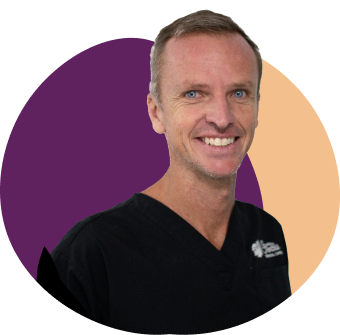
Dr. Chris Waters
- Dr. Chris Waters is a skilled dental professional with over 16 years of experience in implant procedures and patient care.
- He completed a Master of Clinical Dentistry in Dental Implants, focusing on advanced techniques and treatment planning.
- Dr. Waters holds a Bachelor of Dental Science Honours from the University of Queensland (2002) and an MClinDent from Griffith University (2013).
B.Dent. Hons (Syd) | Victoria Point
Dr. Colin Phan
- Dr. Colin Phan is a skilled dentist with significant experience in providing dental implant treatments for patients.
- He has completed extensive training in dental implants, focusing on restoring teeth with reliable and durable results.
- Dr. Phan graduated with a Bachelor of Dentistry from the University of Sydney in 2014, laying a solid foundation in dentistry.
Two Convenient Locations
Quality Dental Services Made Accessible for Families in the Victoria Point Area
Capalaba Dental Clinic
- (07) 3245 5511
- 149 Old Cleveland Rd Capalaba, QLD, 4157
- Free Parking Available
Victoria Point Dental Clinic
- (07) 3820 7777
- 2/1 Bunker Road, Victoria Point, QLD, 4165
- Free Parking Available
Understanding the Role of Dental Implants in Long-Term Oral Health
Tooth loss remains a concern for many adults in Queensland, including those in Victoria Point. According to the 2017–18 Australian Adult Oral Health Study, one in ten Queensland adults have fewer than 21 teeth, which is below the number needed for functional chewing and nutrition. Most tooth loss is caused by decay, gum disease, or injury. Tooth loss leads people to consider tooth replacement options that restore oral function.
Having missing teeth can complicate chewing and speaking and may reduce self-confidence in social situations. Over time, changes in the jawbone and shifting teeth may also occur. Replacing missing teeth early helps prevent these consequences and protects long-term comfort and function.
Redlands Gentle Dental Care offers a dental implant procedure in Victoria Point. Implants fuse with the jawbone to hold a custom crown, restoring bite strength and everyday function.
Enjoy the Many Benefits of Dental Implants for Everyday Life
Dental implants offer a stable and natural-feeling tooth replacement option for restoring comfort, function, and confidence after tooth loss. By anchoring replacement teeth securely within the jaw, they help patients regain ease in eating, speaking, and smiling day to day.
- Dental implants provide a reliable missing teeth replacement, helping to preserve the natural alignment of surrounding teeth.
- They offer a strong foundation for artificial teeth, allowing for better chewing and comfort than dentures, making it easier to eat.
- They support the jawbone, reducing the risk of bone loss that often follows missing teeth.
- With a secure fit and natural appearance, implants help patients feel more confident in their speech and daily interactions.
Patient Reviews
Read Patient Testimonials About Their Experience with Our Gentle Dental Care
Megan M
Courtney
Megan Dickie
Sam Arthy
Janette P
Megan M
Courtney
Megan Dickie
Sam Arthy
Janette P
Stephen Travers
Jan Zielinski
Tom McEwan
Sonja Stevens
Moea Barber
Stephen Travers
Jan Zielinski
Tom McEwan
Sonja Stevens
Moea Barber
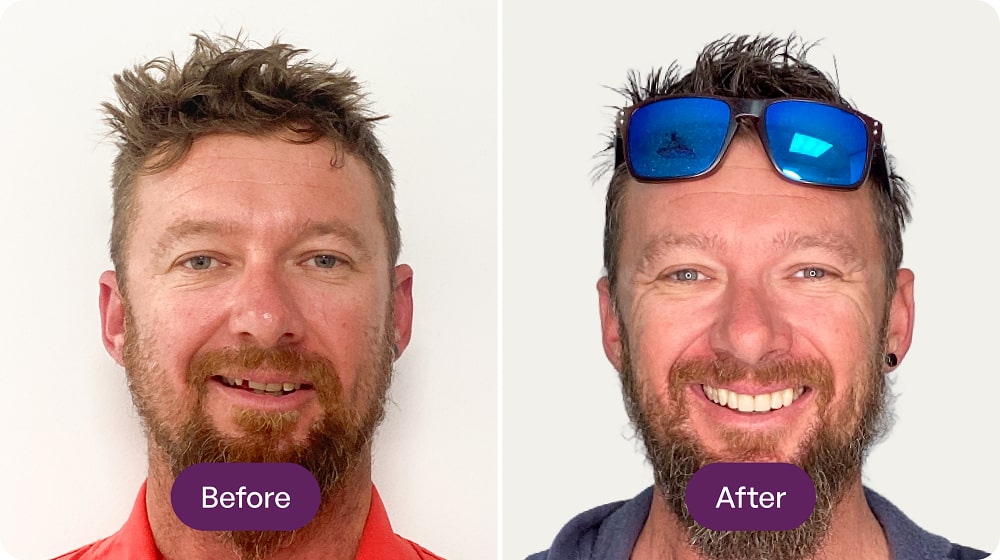
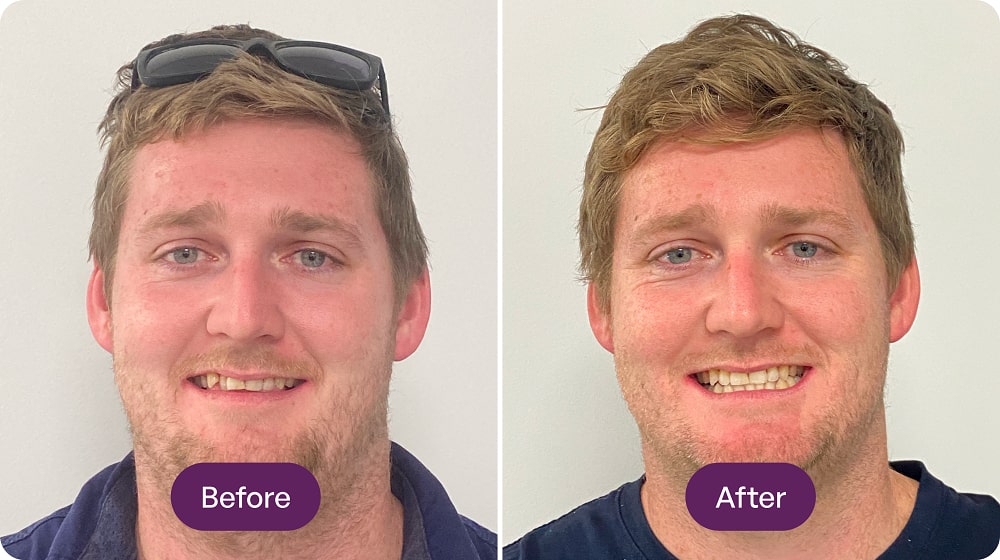
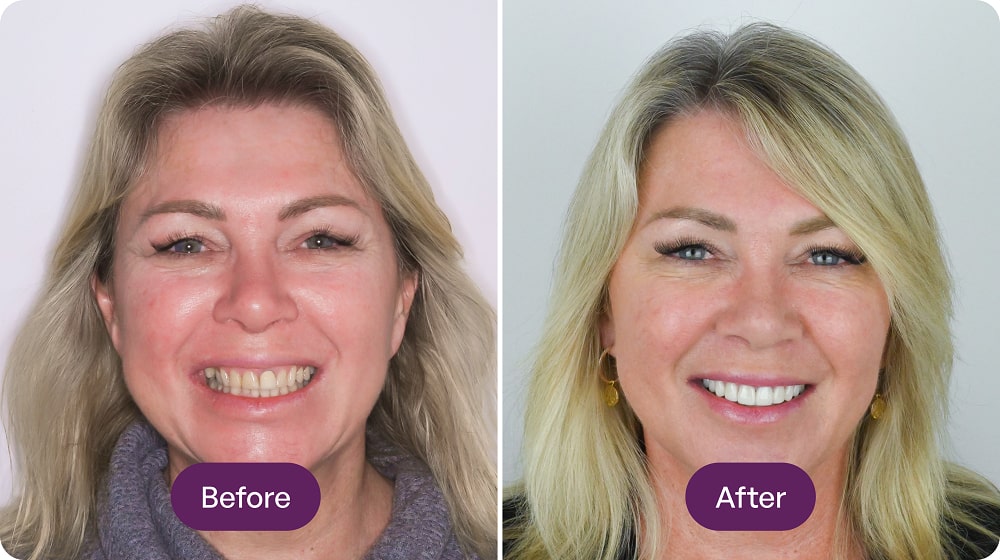
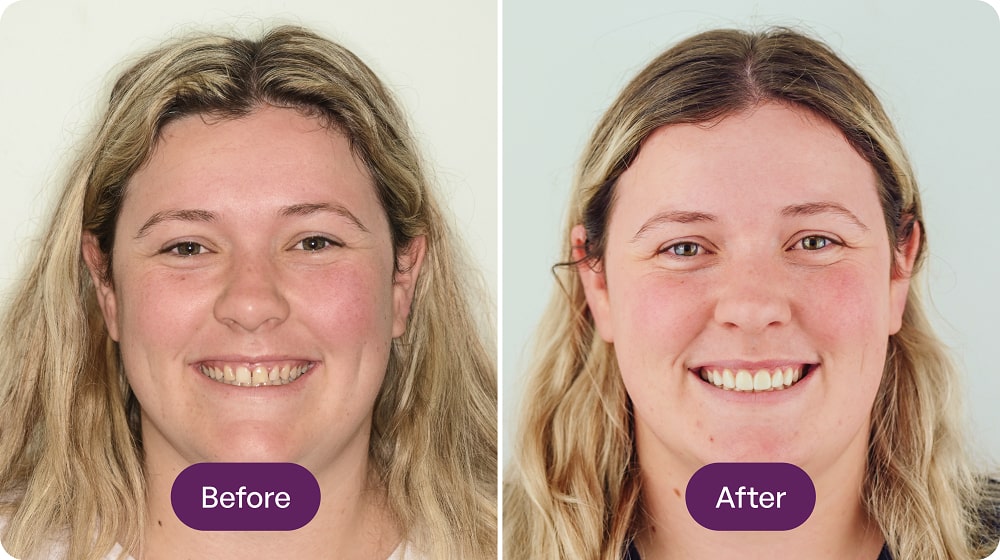
Before and After Gallery


Take the First Step Toward a Confident Smile Today with Dental Implants
Comprehensive Comparison of Dental Implants and Alternative Treatments
| Feature | Dental Implants | Dental Bridges | Traditional Dentures |
|---|---|---|---|
| Longevity | 5-15 years with proper care | Over 10 years, may require replacement over time | 5-8 years, may need adjustments or replacement |
| Jawbone Preservation | Stimulates and preserves jawbone | Does not stimulate jawbone, may lead to bone loss | Does not stimulate jawbone, can cause bone loss |
| Comfort | Comfortable, feels like natural teeth | Comfortable, but can cause irritation or sensitivity | May cause discomfort and require adhesives |
| Cost | Higher initial cost | Lower cost than implants but can add up over time | Most affordable option initially, but requires upkeep or replacement later on |
| Maintenance Requirements | Low maintenance, requires regular brushing and check-ups | Requires cleaning and may need replacement | Regular cleaning, relining, and adjustments needed |
| Aesthetic Result | Natural-looking and blends well with surrounding teeth | Can look natural, but may not blend as seamlessly | Can look natural, but may appear bulky or artificial |
Dental Implant Consultation
What to Expect During Your Dental Implant Consultation
At Redlands Gentle Dental Care, your dental implant consultation is carefully structured to guide you with clarity, support, and professional care. We understand your needs and oral health, and help you explore implant options in a comfortable setting from your first visit.
Discussion of Goals and Concerns

Full Mouth Evaluation

Diagnostic Imaging and Scans

Personalised Treatment Planning

Consultation Review

Dental Implant Steps
A Walkthrough of the Dental Implant Procedure at Redlands Gentle Dental Care
With over 30 years of implant experience, our team follows a structured process. While each dental implant procedure is tailored to individual needs, the steps below provide a general overview.
Initial Consultation and Assessment

Treatment Planning

Implant Placement

Healing and Osseointegration

Abutment Placement

Final Restoration Placement

Post-Procedure Care

Dental Implant Cost
Explore Our Transparent Pricing of Dental Implants to Guide Your Treatment Decisions
Single Tooth Implants
A missing tooth can affect your appearance, bite, and speech. A single-tooth dental implant replaces it, preventing bone loss and restoring function.
- The cost covers the surgical placement of the implant, including the titanium post and the fee for the dental professional who will perform the procedure.
- It includes the abutment and custom-made crown designed to restore the tooth's function and appearance.
- Pre-treatment evaluations, such as consultations and imaging, are also included for accurate planning and assessment.
Multiple Implants
Replacing multiple missing teeth with implants prevents oral health complications, including bone deterioration. This option eliminates the need for traditional bridges or partial dentures.
- The cost is determined based on the number of implants required and the case's complexity, as each treatment is unique.
- Costs typically include the implant components, such as the posts, abutments, custom-made crowns or bridges, and the surgical procedure.
- Additional costs may apply for bone grafting or sinus lift procedures, if required and follow-up visits.
Implant-Retained Dentures
For those missing most or all teeth, implant-retained dentures are a trusted choice. By anchoring the denture to implants, this offers long-term comfort and durability.
- The cost includes the placement of implants that will hold the dentures securely.
- It covers the attachment components, such as abutments, that connect the implants to the dentures to keep them in place during daily activities.
- Custom dentures are included to replace missing teeth and work specifically with the implant system for effective functionality.
Implant-Supported Dentures
Implant-supported dentures provide a durable and comfortable alternative to traditional dentures, offering enhanced stability and functionality. They eliminate the need for adhesives and reduce dietary restrictions.
- This treatment involves surgically placing dental implants into the jawbone and establishing a secure foundation for the dentures.
- It covers the creation of custom dentures designed to fit securely over the implants, improving comfort and functionality.
- The fee may not include preparatory procedures, such as bone grafting, which facilitate stable bone support in case of insufficient bone density.
Our Payment Plans
Find What Works for Your Financial Needs With Our Dental Payment Plans
Child Dental Benefits Schedule
Invest in your child's smile with the Child Dental Benefits Schedule (CDBS). This government program offers eligible families financial support for essential dental services, promoting good oral health habits from an early age.
The CDBS covers up to $1,095 over two years for basic dental care like check-ups, cleanings, and fillings for children aged zero to 17. Eligibility depends on Medicare status and specific government payments, making quality dental care more accessible to families.
Learn MoreDental Services for DVA Card Holders
Veterans deserve high-quality dental care, and the Department of Veterans' Affairs (DVA) program delivers just that. The program offers dental benefits that vary based on card type.
Gold Card holders receive comprehensive cover for clinically necessary treatments, from routine check-ups to advanced procedures. White Card holders are covered for dental care related to accepted service-related conditions or mental health needs. Our clinic proudly supports veterans by providing high-quality dental care to maintain their overall health.
Learn MoreHumm
Simplify your dental care payments with Humm, a flexible financing option that lets you smile now and pay later. This interest-free payment plan allows you to spread the cost of your dental treatments over time, making essential care more accessible.
Humm is available for various dental services, from routine check-ups to more complex procedures. With instant approval and the ability to manage your account online, Humm helps you prioritise your oral health without financial stress.
Learn MoreZip
We offer Zip to help patients manage treatment costs. With credit limits between $1,000 and $50,000, eligible patients can select flexible repayment terms from three to 60 months, making it easier to manage costs.
Zip is ideal for anyone needing dental care without upfront costs. The user-friendly app allows you to track payments easily, so you can stay on budget while prioritising your oral health.
Learn MoreSuperCare
With the help of SuperCare, eligible patients can release their superannuation funds early to access essential dental procedures. This option is suitable for families lacking sufficient health funds or available resources, covering services such as orthodontics, implants, and root canal therapies.
SuperCare's consultants guide you through the straightforward application process, simplifying what can often be complex. This service enables you to prioritise your family's oral health without the burden of upfront costs.
Learn MoreAfterPay
Experience the convenience of dental care with Afterpay, allowing you to receive treatments now and pay later in four easy instalments over six weeks. This payment option is available to anyone over 18, a practical choice for adults looking to enhance and maintain oral health.
With no interest charges when payments are made on time, Afterpay promotes responsible budgeting. Payments are automatically deducted from your linked debit or credit card for a smooth experience.
Learn MoreBupa Preferred Provider
Enjoy exclusive benefits and hassle-free claims when you choose our clinic, a Bupa Preferred Provider, for your dental health needs. Our patients can access a comprehensive range of services, including check-ups and major procedures, often at reduced out-of-pocket costs.
Members First Ultimate also offers 100% back on two dental check-ups and cleans every six months, making regular oral care more affordable. Our partnership with Bupa allows you to receive quality care while maximising your benefits.
Learn MoreHCF Preferred Provider
Experience affordable, high-quality dental care at Redlands Gentle Dental Care. As an HCF preferred provider, patients with eligible dental cover can access reduced out-of-pocket costs, no-gap services for selected treatments, and streamlined claims processing.
HCF members can take advantage of these benefits by choosing our clinic for their dental needs. Check your policy to understand covered treatments and annual limits, and let us help you achieve a healthier, brighter smile.
Learn Morenib Preferred Provider
Access professional dental care at our clinic, a trusted part of nib's First Choice network. As a nib Preferred Provider, we offer members the opportunity to receive quality dental care at agreed rates. This provides a transparent and straightforward experience for your dental needs.
Nib members benefit from reduced out-of-pocket costs and simplified claims processes at our clinic. To make the most of your cover, review your policy for applicable limits and service inclusions.
Learn MoreAnswers to Your Dental Implant Questions

Frequently Asked Questions
Explore common questions about dental implants, covering topics like treatment timelines, recovery, aftercare tips, and what to expect before and after your procedure.
How common is tooth loss among Brisbane residents?
Tooth loss is a widespread concern across Queensland, including Brisbane and suburbs like Victoria Point. The 2017–18 Australian Adult Oral Health Study found that 1 in 10 Queensland adults has fewer than 21 teeth, which is below the number needed for proper chewing and nutrition. Tooth decay, gum disease (periodontitis), or trauma cause the majority of tooth loss.
What is the appropriate age for getting dental implants?
Dental implants are usually recommended for adults once their jaw development is complete, usually from around age 18 and above. Patients who need dental implants in Victoria Point can consider them a reliable missing teeth replacement option at any age. Suitability is assessed during your dental implant consultation, taking into account bone structure, health, and individual needs.
How do dental implants replace damaged or missing teeth?
Dental implants are one of the most durable tooth replacement options. They work in three key steps:
- Implant placement:
A titanium post is surgically inserted into the jawbone to act as an artificial root. - Healing and integration:
Over several weeks, the bone naturally fuses with the implant to create a stable foundation. - Crown attachment:
A custom-made crown or bridge is secured to the implant, restoring appearance and bite function.
This process helps protect nearby teeth and promotes long-term oral health.
Are dental implants as good as natural teeth?
While they aren’t the same as natural teeth, dental implants closely mimic their function, appearance, and feel. They allow for improved chewing and clear speech, and they support jawbone health. Unlike removable options, implants stay securely in place during everyday use.
How many teeth can be replaced with dental implants?
Implants can either replace just one tooth or several, depending on your needs. A single tooth implant restores one missing tooth, while multiple implants may support bridges or full dentures. Your dentist will assess your oral health and recommend the most suitable approach during your consultation.
What is the success rate of dental implants?
Dental implants are one of the most reliable options for long-term tooth replacement. With proper care, studies report a success rate of 90% to 95% over 10 years. However, several important factors can influence the outcome.
- Oral hygiene habits:
Daily brushing, flossing, and regular professional cleaning help prevent infection around the implant site (peri-implantitis), which is a leading cause of implant failure. - Bone quality and density:
Adequate jawbone volume is essential for the implant to integrate properly. Insufficient bone density or bone loss can result in the need for bone grafting to achieve long-term success. - Gum health:
Healthy gums are critical for supporting the implant. Pre-existing gum disease can increase the risk of complications or implant failure if not managed before treatment. - Medical conditions:
Chronic conditions like uncontrolled diabetes, immune suppression, or osteoporosis may interfere with healing and implant integration. A health assessment is part of your dental implant consultation. - Smoking:
Smoking reduces blood flow, slows healing, and significantly increases the risk of infection and implant failure. Smokers may be advised to quit before proceeding. - Surgical technique and implant placement:
The skill and experience of the dentist, as well as precise implant positioning, affect how well the implant integrates and functions over time. - Bite pressure and prosthetic design:
Uneven bite forces, teeth grinding, or poorly fabricated restorations can place excessive pressure on implants. A well-designed crown or bridge helps distribute forces evenly.
Each of these factors is assessed during your dental implant consultation to help guide appropriate treatment planning and achieve a functional outcome.
What materials are commonly used for dental implants?
Dental implants are made from materials designed to integrate with bone and support long-term use. Common options include the following:
- Titanium:
Titanium is the most widely used material due to its strength, lightweight nature, and high biocompatibility. It fuses well with bone through a process called osseointegration. - Zirconia:
Zirconia is a strong ceramic alternative often used for patients with metal sensitivities. It’s tooth-coloured and can be an aesthetic choice in certain cases.
Both materials offer durable support for crowns, bridges, or dentures, making them suitable for long-term missing teeth replacement in a variety of clinical settings.
What happens if I don't have enough jawbone for an implant?
If your jawbone lacks sufficient thickness or density to hold an implant, you may need additional procedures to prepare the area. Two common options include the following:
- Bone grafting:
Bone grafting adds new bone material to areas with low density. This helps your body grow more bone and creates a more stable base for future implant placement. - Sinus lift:
A sinus lift is often used in the upper jaw near the back teeth. The sinus membrane is gently lifted, and a bone graft is added underneath to allow room for an implant.
Your dentist will assess your bone health during your dental implant consultation and discuss whether these procedures are needed.
How soon after an extraction can I get a dental implant?
The timing depends on your healing, bone health, and overall oral condition. Your dentist may recommend one of the following:
- Immediate placement (within 1 week):
The implant is placed during the same visit as your tooth removal. This can save time and help preserve bone, but only if there’s no infection and the bone is strong enough. - Early or delayed placement (2 to 8 weeks):
This allows your gums to begin healing first. It’s often used when there’s a mild infection or when the area needs time to settle before the implant is placed. - Late placement (after 3 to 6 months or more):
This option allows full healing of the bone and gums, especially if bone grafting is needed. It takes longer but provides a stable foundation.
Your dentist will recommend a suitable timeframe based on your gum and bone condition, the presence of any infection or damage, your overall health, and the need for additional procedures. The aim is to place the implant when the area is strong enough to support healing and long-term function.
Are getting dental implants painful?
Most patients describe the dental implant procedure as more comfortable than they expected. Local anaesthesia is used to numb the area, so you shouldn’t feel pain during the surgery itself. You may feel some pressure or mild discomfort, but it’s usually manageable.
After the procedure, it’s normal to experience some soreness, swelling, or bruising around the implant site. This often lasts a few days and can be managed with over-the-counter or prescribed pain relief medications, along with proper care.
Everyone’s experience is different and depends on factors like the complexity of the procedure, your pain threshold, and your healing response. Your dentist will discuss what to expect during the procedure and how to stay comfortable during your recovery.
How long does a dental implant take from start to finish?
The full dental implant procedure usually takes several months from start to finish. The exact timeline depends on your treatment plan and whether any additional steps, like bone grafting or tooth removal, are needed.
In general, here’s what the process looks like:
- Initial consultation and planning:
This includes X-rays or scans to assess your bone and plan your treatment. - Tooth removal (if required):
If a tooth needs to be extracted, some healing time may be needed before the implant is placed, or in some cases, it can be done during the same visit. - Implant placement:
The implant (a small titanium post) is surgically placed into your jawbone. - Healing period (osseointegration):
Within 3 to 6 months, your bone naturally fuses with the implant. This step is important for creating a strong foundation. - Abutment and crown placement:
Once healed, a small connector (abutment) and a custom-made crown are added to complete the restoration.
If no additional procedures are needed and healing goes smoothly, the dental implant procedure may take around 3 to 6 months. If bone grafting or more healing time is required, it may take closer to 9 months or more.
Your dentist will guide you through a personalised timeline based on your oral health and treatment needs.
What is the recovery time after getting dental implants?
Most people recover from the initial implant surgery within a few days. During this time, you may notice swelling, bruising, or mild discomfort, which usually improves with rest, soft foods, and prescribed or over-the-counter pain relief medications.
Full healing of the bone around the implant, known as osseointegration, usually takes 3 to 6 months. This stage is important because it helps the implant fuse to your jaw before the final crown is placed.
Your recovery time may vary depending on several factors, including the following:
- Your general health:
Conditions like diabetes or a weakened immune system can slow healing. - Smoking:
Smoking can affect blood flow and may delay healing. - Oral hygiene:
Keeping the area clean reduces the risk of infection and supports faster recovery. - Need for additional procedures:
Bone grafting or sinus lifts may extend the healing timeline. - The number of implants placed:
Multiple implants may take longer to heal than a single one.
Your dentist will check your progress and let you know when you’re ready for the next step in your treatment.
Do dental implants become loose over time?
Dental implants are made to fuse securely with your jawbone through a process called osseointegration. When successful, this allows the implant to remain stable for many years. However, an implant might feel loose if there is infection, bone loss, or a problem with the crown or connector piece (abutment). This is not common, especially if you maintain good oral hygiene and attend regular dental check-ups.
If you notice movement or discomfort, it’s important to see your dentist promptly. Timely care can help prevent further problems.
Compared to other tooth replacement options, dental implants provide strong support and help preserve bone. But like any treatment, they need proper care to stay healthy over time.
What aftercare is needed for dental implants?
Caring for your dental implants is important to help them last and function well. After the implant is placed, your dentist will provide specific instructions to promote healing and long-term success.
Here are the key parts of implant aftercare:
- Keep the area clean:
Gently brush and floss around the implant. Your dentist may recommend special brushes or mouth rinses during the early healing phase. - Attend regular check-ups:
Regular dental visits allow your dentist to monitor your healing, check for signs of infection, and maintain gum and bone health around the implant. - Watch your diet:
Eat soft foods during the initial recovery, and avoid chewing directly on the implant site until it heals. - Avoid smoking:
Smoking can interfere with healing and increase the risk of complications. - Maintain good oral hygiene:
A consistent at-home care routine supports the long-term success of your implant.
With proper aftercare, dental implants can be a stable and long-term missing teeth replacement. Your dentist will tailor your treatment plan based on your needs and monitor your progress at each stage.
How often do I need to visit the dentist after getting implants?
After implant placement, you will usually return for a few check-ups over the first few months to monitor healing and implant stability.
Once the final crown is placed, regular dental visits, usually every 6 months, help maintain gum and bone health. Your dentist may recommend more frequent visits if you’ve had additional procedures or medical conditions that affect healing.
These check-ups help achieve the long-term success of your implant and overall oral health.
What are the risks or complications of dental implants?
Dental implants are a reliable way to replace missing teeth, and most people enjoy long-term results. That said, there are some risks involved, as with any surgical treatment.
Possible complications include the following:
- Infection:
This can happen during or after the procedure if bacteria accumulate in the area. Good oral hygiene and proper aftercare help lower this risk. - Slow or poor healing:
Sometimes the implant doesn’t attach properly to the bone. This may be more likely if you smoke, have uncontrolled diabetes, or have less dense bones. - Gum or bone inflammation (peri-implantitis):
This condition is similar to gum disease and can damage the tissue and bone around the implant if not addressed early. - Bone shrinkage:
Too much pressure on the implant or poor positioning may lead to bone loss around it. - Nerve or sinus issues:
If an implant is placed too close to a nerve or sinus, it may cause numbness, tingling, or sinus discomfort. Careful planning helps prevent this.
While most implants succeed, about 1 in 10 may not last long-term. The following situations make implant failure more likely:
- People who smoke have a 37% chance of implant failure, compared to just 4% in non-smokers. Smoking affects blood flow and slows healing, which increases the risk of problems.
- Those with diabetes or high blood pressure may face a 20% risk of implant failure, as these conditions can interfere with healing and increase the risk of infection.
- Weaker bone, especially softer Type IV bone, has been linked to a 21% failure rate.
- Smaller implants (less than 3.75 mm in diameter) can carry up to a 25% failure rate, which may affect how well the implant stays in place over time.
To reduce risks, dentists recommend the following:
- Keep your teeth and gums clean every day.
- Visit your dentist regularly for check-ups and cleanings.
- If you smoke, consider quitting or cutting back before your treatment.
- Manage any medical conditions with the help of your healthcare team.
- Wear a nightguard if you grind your teeth during sleep.
With the right care, both full-mouth implants and a single tooth implant can offer lasting stability and function.