

Restore Your Smile with High-Quality Dental Implants in Brisbane
- Eat, smile and speak comfortably
- Implants starting from $4,000
- Fixed, stable and long-lasting
- 10,000+ Implants Placed
ⓘ Disclaimer: Timeframes, costs and outcomes may vary for each individual. Not all patients are suitable.
Since 1983
Star Reviews


Rated 4.9 by 760+ patients
Goodbye gaps, hello new smile!
Missing teeth don’t have to hold you back. Dental implants provide a strong, natural-looking solution that lets you eat, speak, and smile with confidence again.
Backed by 42 years of experience and 700+ 5-star reviews, Dr Chris Waters and the team at Redlands Gentle Dental Care are here to help. Book your consultation today.
- Restore your smile and confidence
- Eat your favourite foods comfortably
- Avoid future damage and costly issues
- Help prevent jawbone loss and ageing
Registration No DEN0000954831

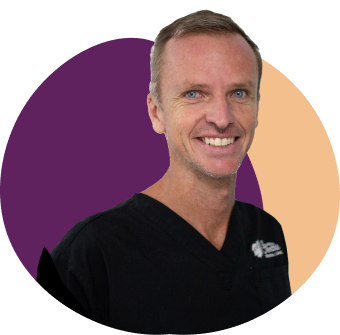
Dr Chris Waters
Dr. Chris Waters graduated with first-class honours from the University of Queensland in 2002 and has built 16 years of experience in private practice. Known for his clear communication and ethical approach, he delivers treatments tailored to individual needs.
Dr. Waters holds a Master of Clinical Dentistry in Dental Implants from Griffith University. With extensive experience in delivering quality implants and being a certified Invisalign provider, he offers comprehensive treatments. His approach helps create a welcoming environment for patients.
experience
University of Queensland

Registration No DEN0001944243
Dr Colin Phan
Dr. Colin Phan graduated with First Class Honours from the University of Sydney in 2014. He focuses on cosmetic dentistry, veneers, aligners, and implants and provides tailored care to help patients achieve their dental goals.
Dr. Phan is also a certified Invisalign provider, offering treatments with comfort and precision. Outside of work, he enjoys travelling overseas and going to the gym.
experience
University of Sydney
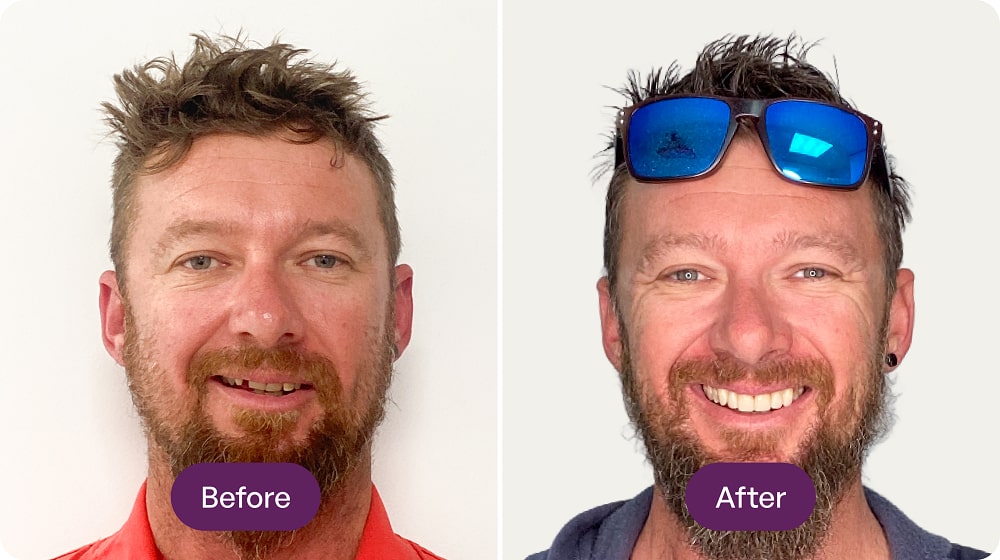
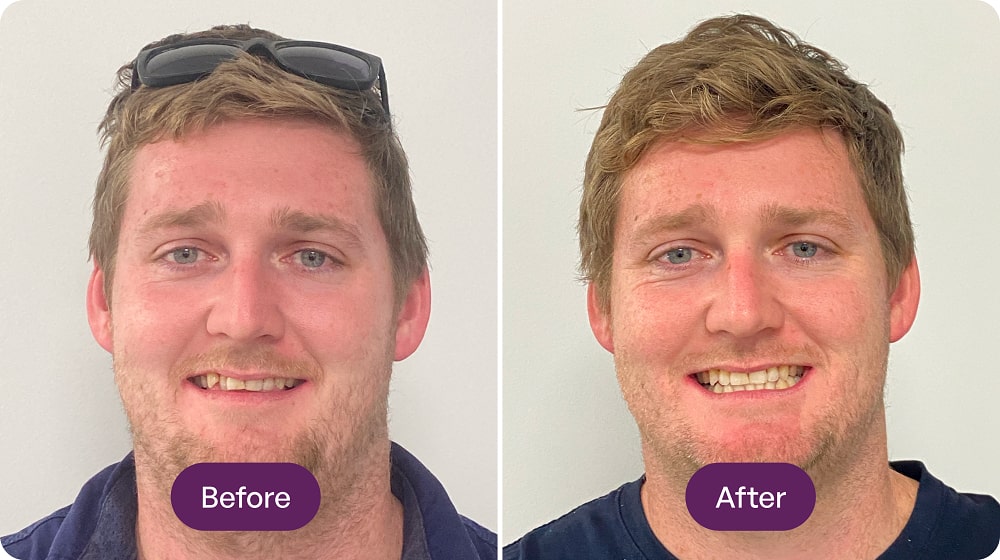
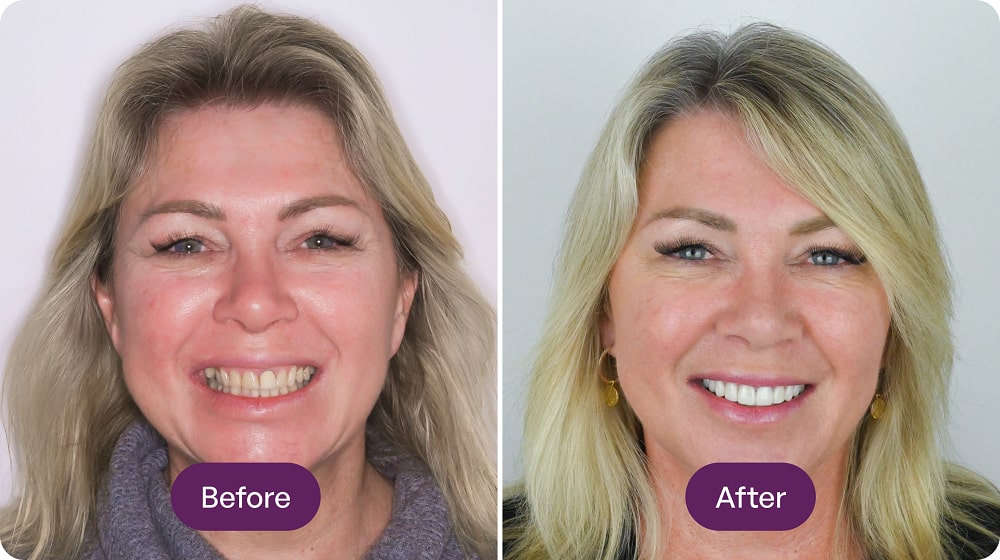
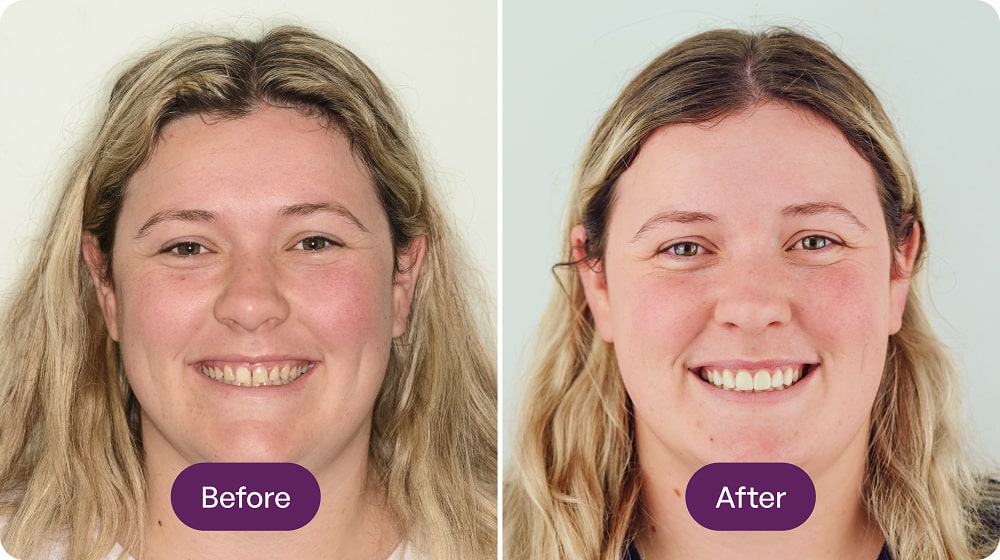
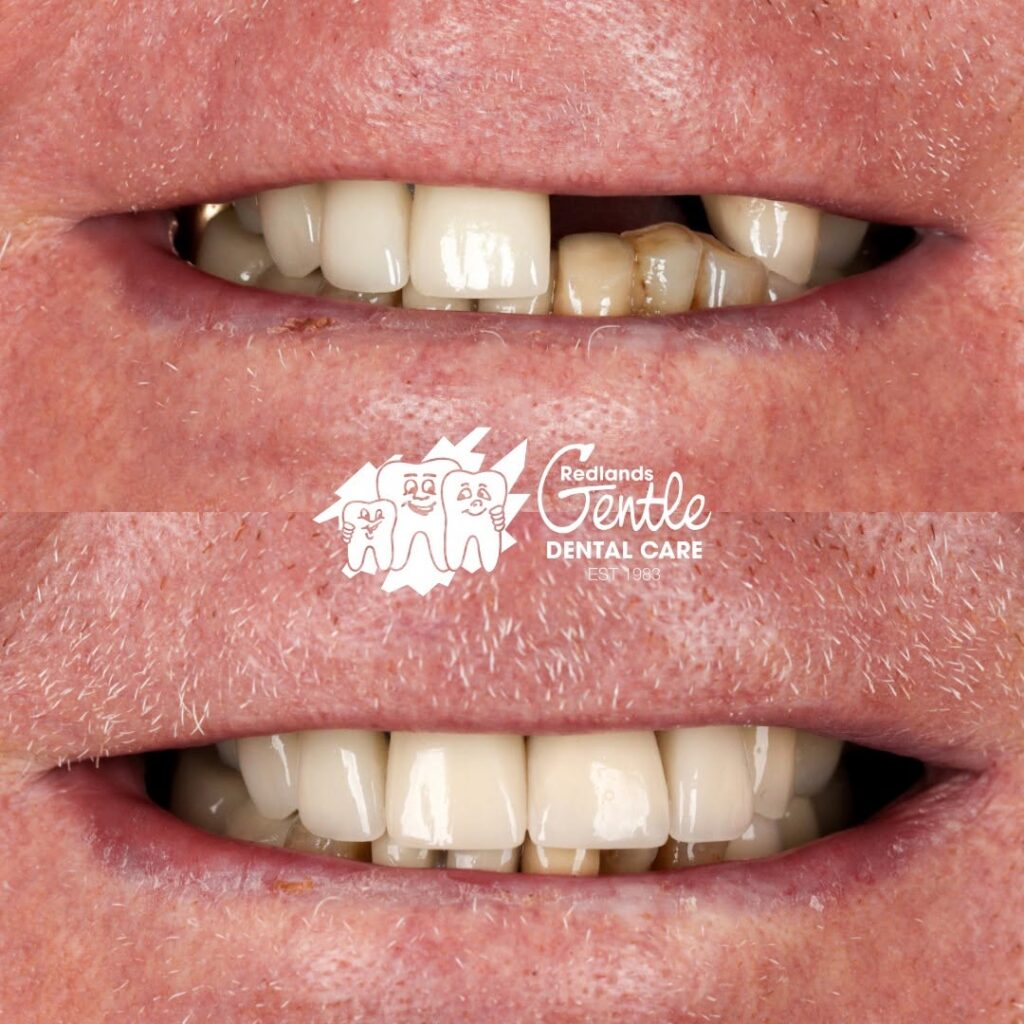
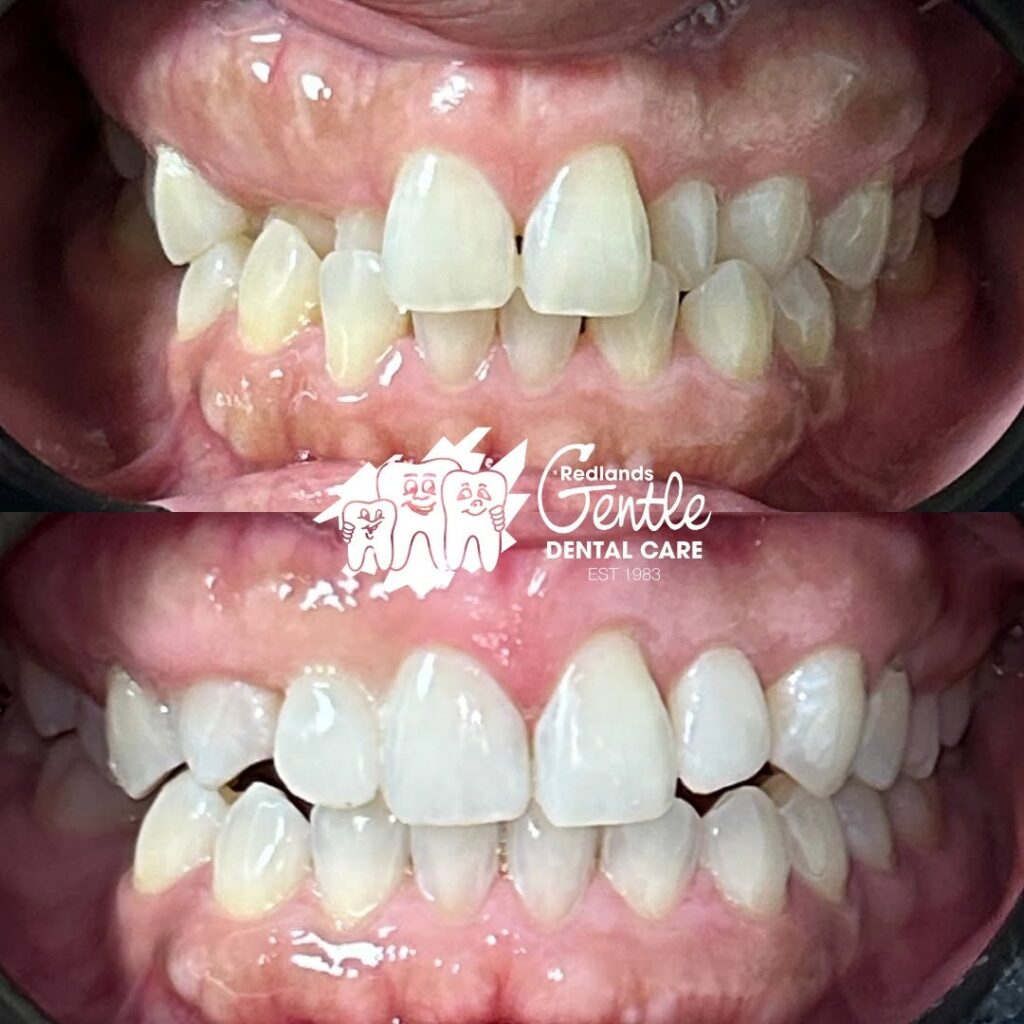
Before & After Images
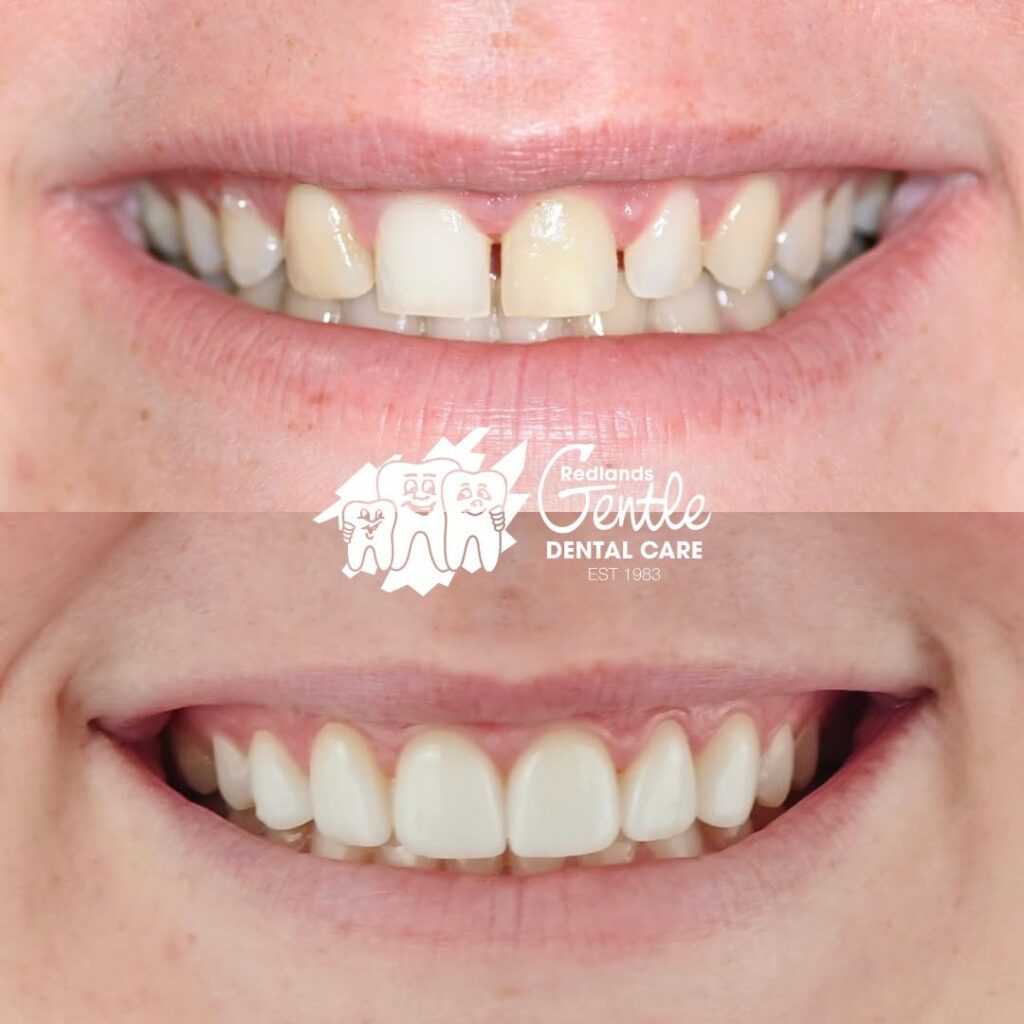
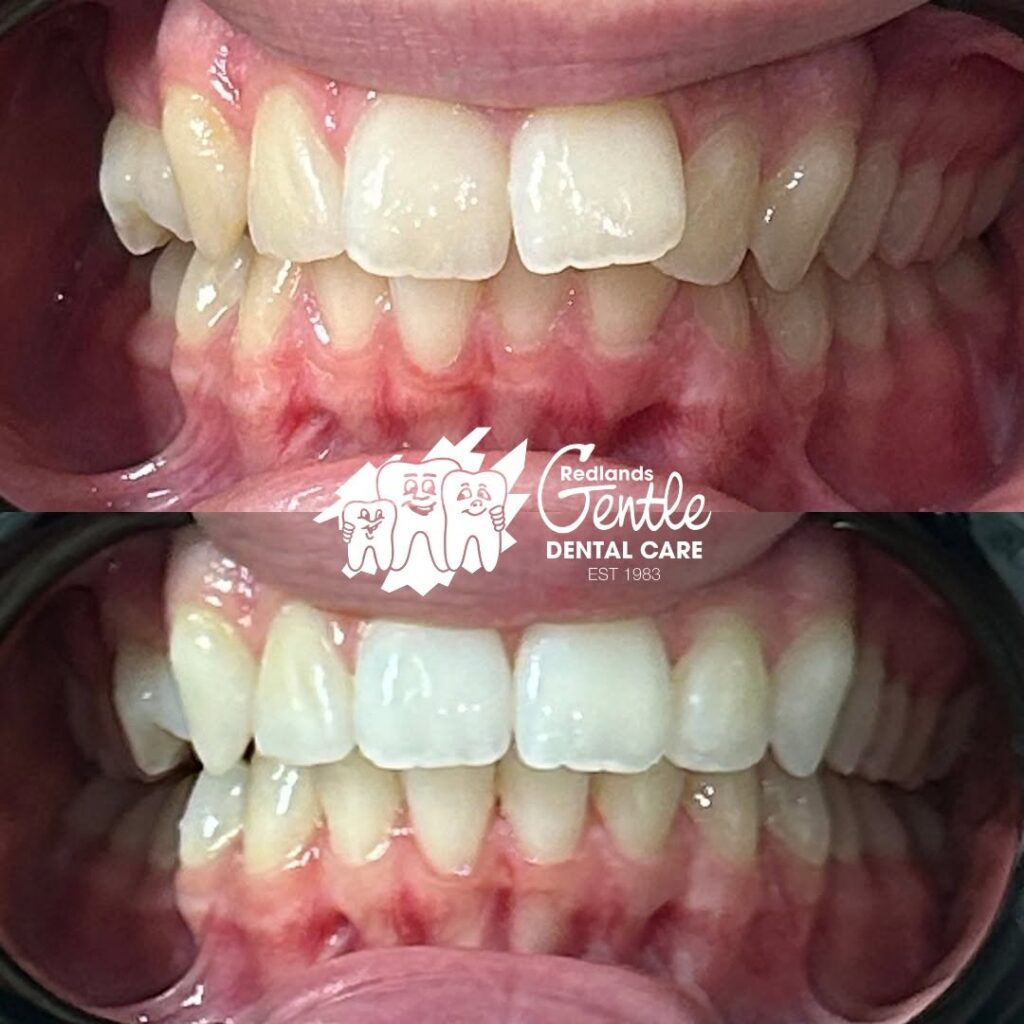
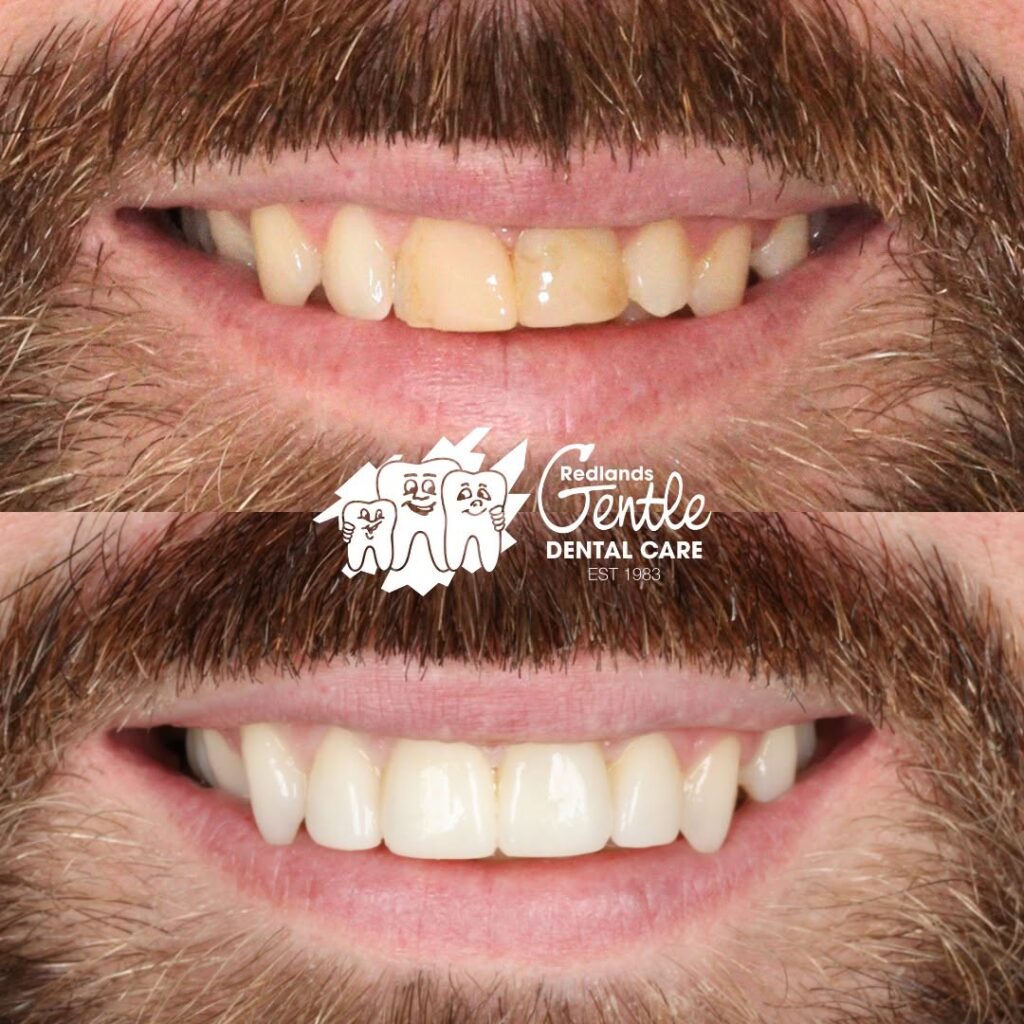
How Much Do Implants Cost?
Costs vary depending on your needs. Here’s a general guide to help understand your options.
Best for replacing one tooth with a natural-looking, long-term solution.
- Looks and feels like a real tooth
- No impact on surrounding teeth
- Durable and long-lasting
Ideal for replacing several missing teeth using fewer implants.
- Multiple teeth, fewer implants
- Fixed, more stable than dentures
- Made for comfort and function
If missing most or all teeth, implant-retained dentures are a trusted choice.
- Eliminate slipping or clicking
- Good support for facial structure
- Distribute biting forces evenly
Your Smile Transformation in 4 Steps

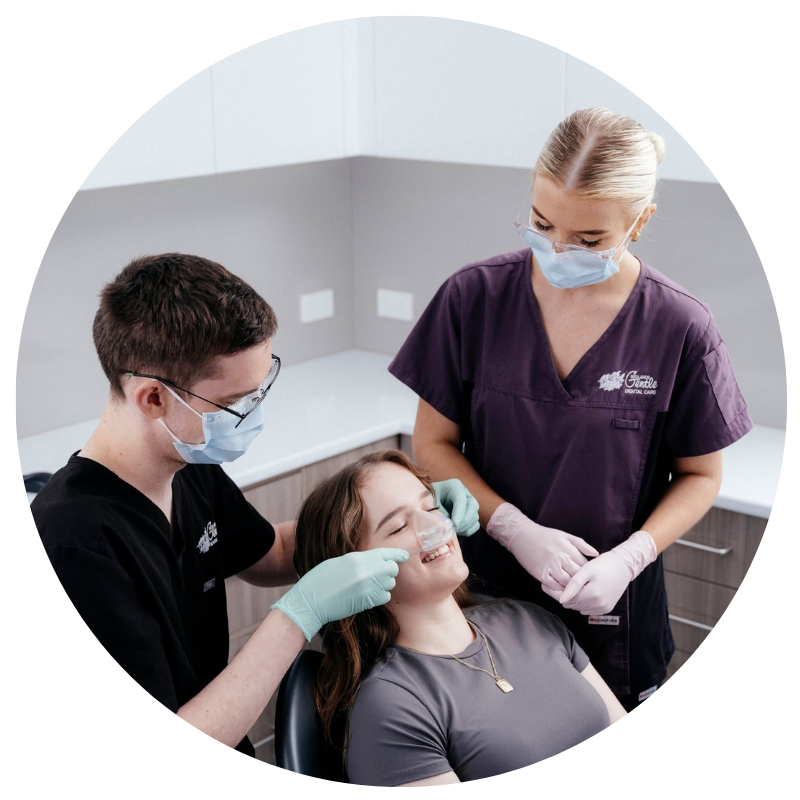
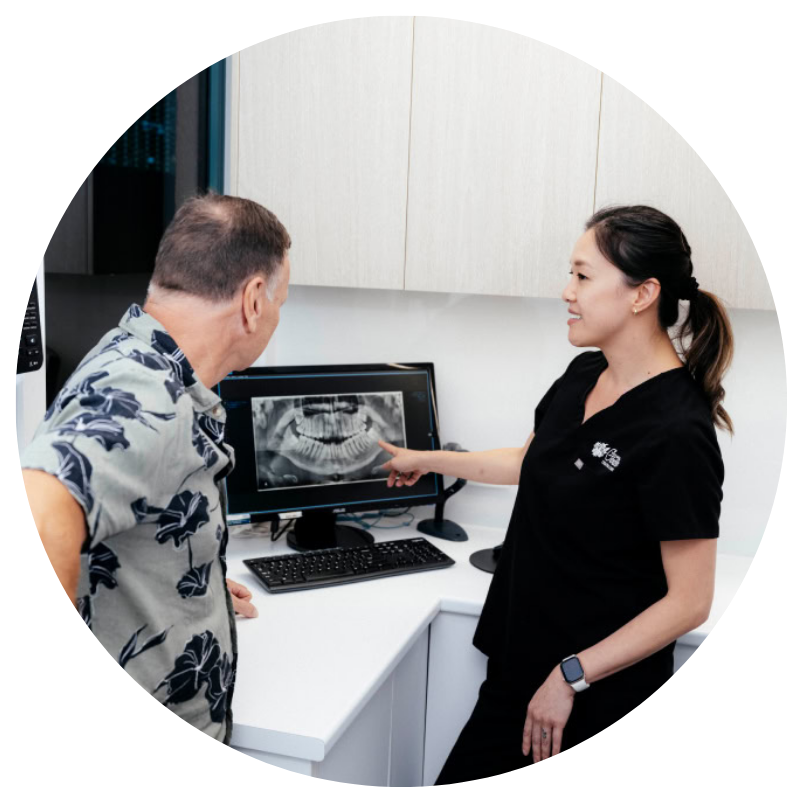
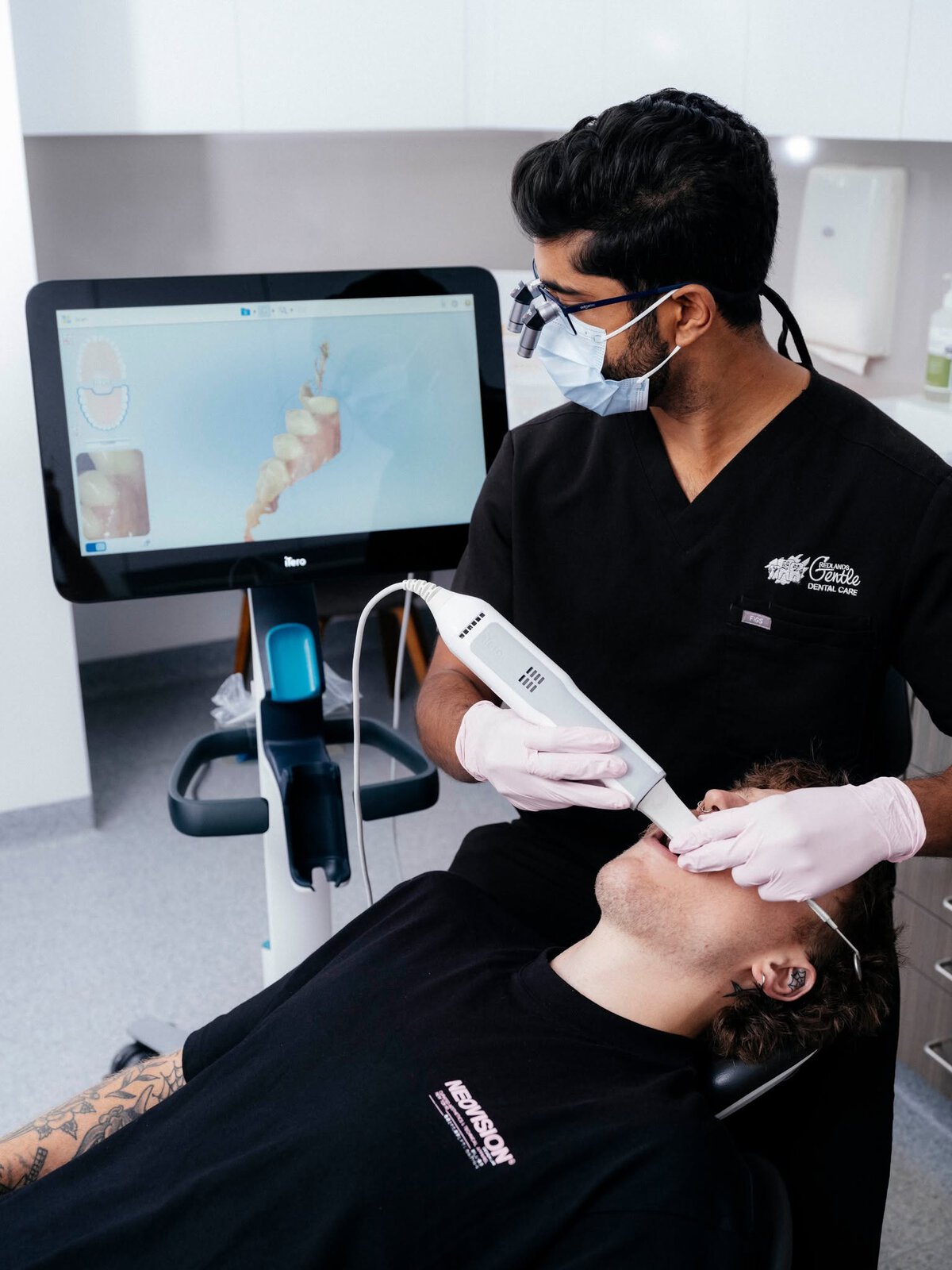
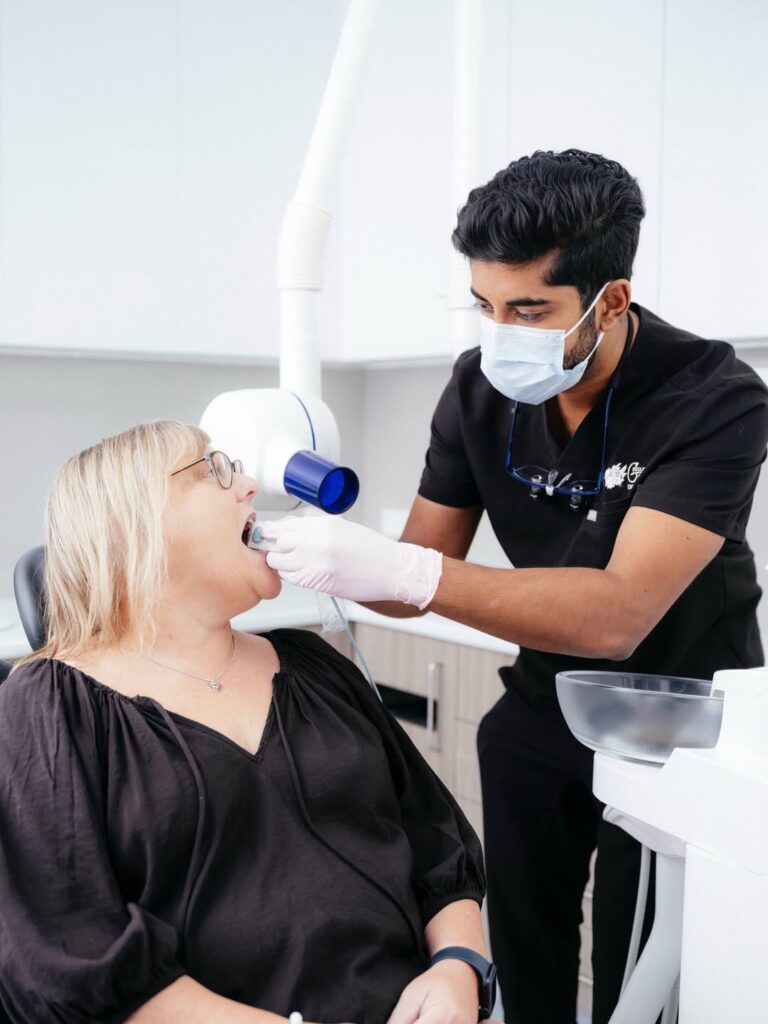
3D Scan & Planning
We create a precise treatment plan using advanced 3D imaging.
Implant Placement
Your implant is placed to create a strong foundation for your new tooth.
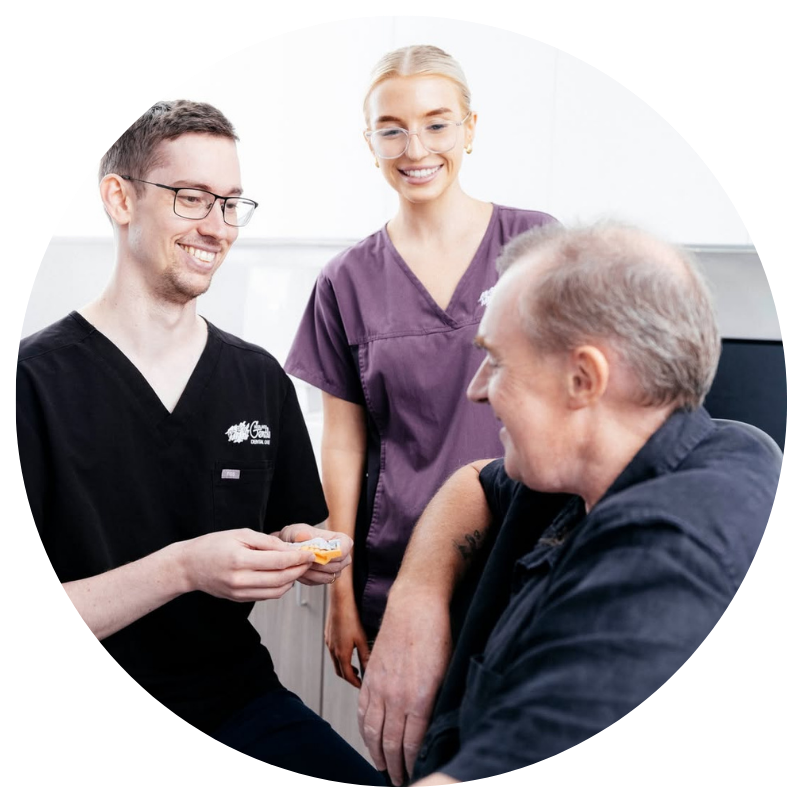
Crown Placement
A custom-made crown is attached for a natural-looking result.
Enjoy Your New Smile!
Smile, eat and speak with confidence again.
Care Beyond Dental Implants
We believe our role goes beyond replacing missing teeth—it’s about restoring your smile, your confidence, and your quality of life.
Seeing the difference a new smile can make is why we’re so passionate about helping our patients every day.
Why Choose Us For Implants?
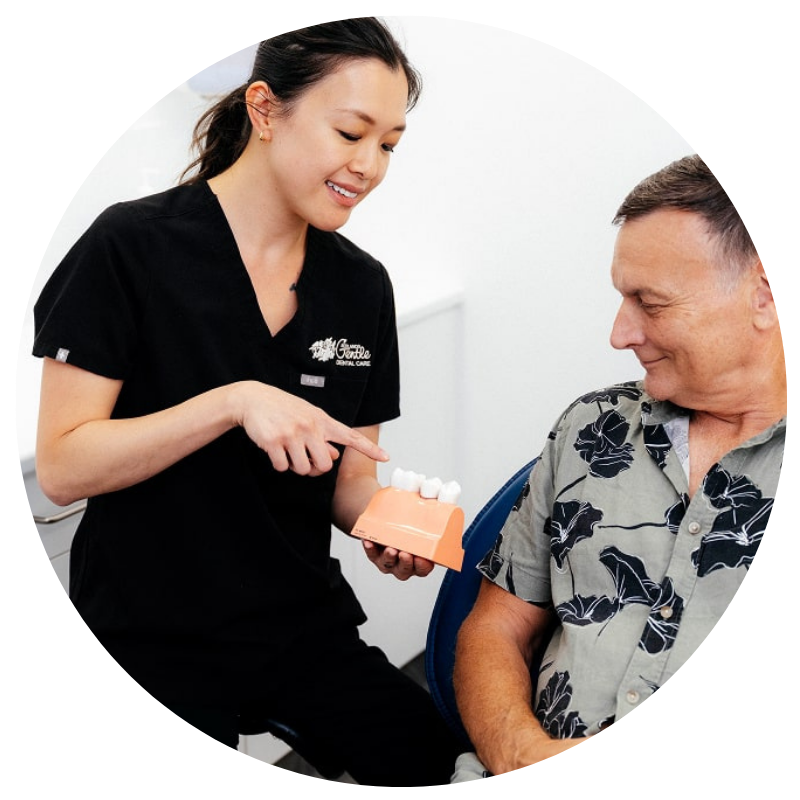
Implant Experts
Dental implant placement is a precise procedure, and our experienced dentists will guide you through every step with expert care and attention.
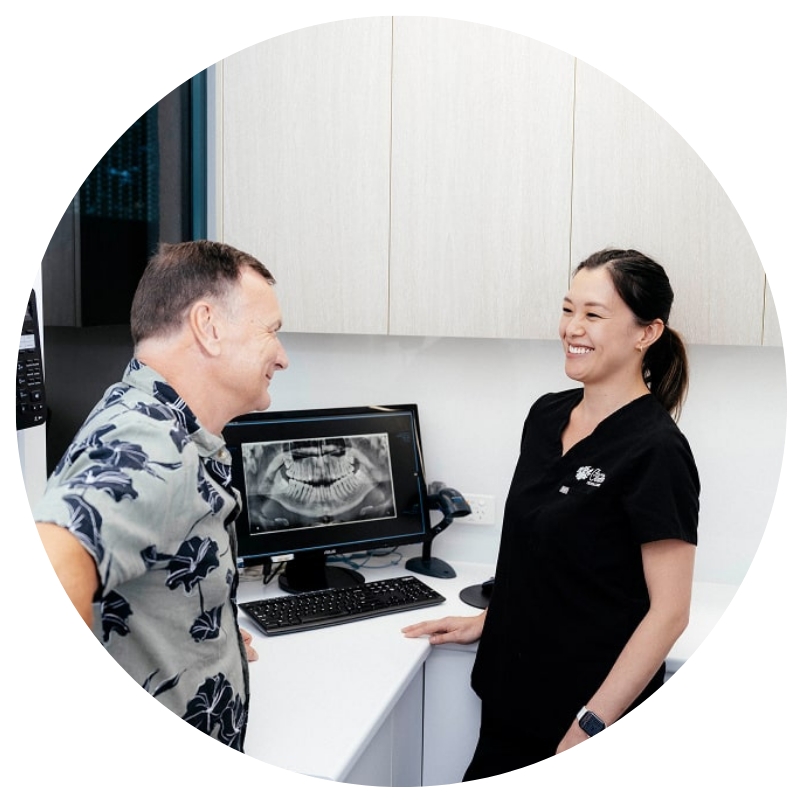
Premium Materials
We use premium materials and high-quality titanium implants designed for strength, durability, and a natural-looking smile.

Value For Money
Quality dental care shouldn’t be complicated. We offer transparent pricing and support for all major health funds.

Book Your Free Consult To Explore Implant Options Whether It’s Suitable For You
Our team will assess your needs, confirm if implants are suitable, and walk you through your options, timeline, costs, and payment plans so you can decide how to proceed.
Frequently Asked Questions
How common is tooth loss among Brisbane residents?
Tooth loss is a serious issue for adults in Australia, and it varies by age. The National Study of Adult Oral Health from 2017–18 found that 4% of adults aged 15 and older had lost all their natural teeth.
The chance of losing all teeth increases as people age. For instance, only 1.1% of adults aged 35–54 are edentulous, but this number rises to 20.5% for those aged 75 and older.
Though there isn’t much specific data for Brisbane, these national figures prove the need for good oral hygiene and regular dental visits to help prevent tooth loss.
What is the appropriate age for getting dental implants?
The appropriate age for getting dental implants in Brisbane is normally after jawbone growth is complete, around 18 to 20 years old. This is because the jawbone needs to be fully developed to support dental implants securely. Placing implants before jaw maturity can lead to complications, including implant failure or misalignment as the bone grows.
How do dental implants replace damaged or missing teeth?
Dental implants replace missing or damaged teeth by acting like natural tooth roots. The main concept relies on integrating a durable, biocompatible material with the jawbone, creating a stable foundation for supporting the tooth replacement option.
Dental implants have the following three key components:
-Dental implant fixture: This titanium post is surgically placed into the jawbone. It fuses with the bone through a process called osseointegration, providing stability like a natural tooth root.
-Abutment: This small connector attaches to the implant fixture, serving as a link between the implant and the crown.
-Crown: The custom-made crown is the visible part of the implant. It resembles and functions similarly to a natural tooth, restoring appearance and chewing ability.
By working together, these components replicate the structure of a real tooth, effectively replacing them. This design not only restores function and appearance but also promotes long-term oral stability and health.
Are dental implants as good as natural teeth?
Yes, the benefits of dental implants make them similar to natural teeth, but they do not fully replicate the biological properties of real teeth. They provide strong support for chewing and speaking while maintaining jawbone density, which prevents bone loss. However, natural teeth have living roots and nerves that dental implants cannot duplicate despite their realistic appearance and durability. This means they cannot sense pressure or temperature changes like natural teeth, even though they closely match their appearance and functionality.
How many teeth can be replaced with dental implants?
Yes, the benefits of dental implants make them similar to natural teeth, but they do not fully replicate the biological properties of real teeth. They provide strong support for chewing and speaking while maintaining jawbone density, which prevents bone loss. However, natural teeth have living roots and nerves that dental implants cannot duplicate despite their realistic appearance and durability. This means they cannot sense pressure or temperature changes like natural teeth, even though they closely match their appearance and functionality.
What is the success rate of dental implants?
When properly cared for, dental implants have a 90%–95% success rate over ten years. Several factors can affect how well they last:
Bone Strength
The strength of the bone where the implant is placed matters. Stronger bone helps the implant stay secure, while weaker bone increases the risk of failure. Studies show that weaker bone has a 3% failure rate.
Implant Size
Shorter implants over 11.5 mm long have a higher chance of failing than medium-sized ones between 10–11.5 mm. Narrow implants under 3.75 mm wide are also more likely to fail.
Implant Placement
Where the implant is placed in the mouth matters. Implants in the back lower jaw have the highest failure rate (3.3%), while implants in the front upper jaw fail less often (2.1%).
Daily Care and Dental Visits
Keeping the area clean prevents infection and gum issues that can lead to implant failure. Brushing, flossing, and seeing a dentist regularly help protect the implant.
Smoking and Health Conditions
Smoking doubles the risk of failure because it affects healing. Conditions like diabetes and bone disease can weaken the implant’s support, but proper management lowers risks.
Biting Pressure and Placement
If an implant is not placed properly or is under too much pressure, it may fail over time. A well-placed implant that matches the bite stays stronger for longer.
With good daily care, regular check-ups, and the proper placement, dental implants have a high success rate and can last many years.
What materials are commonly used for dental implants?
Dental implants are primarily made from two materials:
Titanium:
This metal is widely used for dental implants due to its strength, weight, and ability to fuse well with bone.
Zirconia:
This ceramic material is chosen for its tooth-like colour and durability, offering an aesthetic alternative to metal implants.
Choosing between these materials depends on individual factors such as health considerations and aesthetic preferences. Discussing options with your dentist can help determine the most suitable material for your dental implant.
What happens if I don't have enough jawbone for an implant?
If you don’t have enough jawbone for a dental implant, a regenerative procedure can prepare your jaw for successful placement. Bone grafting involves adding bone material to the jaw to create a stable foundation for the implant. In some cases, sinus lifts can increase bone height in the upper jaw for proper implant support. These preparatory procedures enhance the implant’s stability, allowing it to function effectively and last for a long time.
How soon after an extraction can I get a dental implant?
You can undergo dental implant surgery immediately after a tooth extraction or wait several months, depending on your specific situation. Immediate placement occurs when sufficient bone remains and there is no active infection in the area. In other cases, dentists recommend waiting three to six months to allow the bone and gum tissue to heal. Your dentist will assess your condition to decide the proper timing for implant placement.
Are getting dental implants painful?
No, getting dental implants should not be painful, as dentists use anaesthesia to numb the area during the procedure. Most implant patients report mild discomfort after the dental implant procedure, similar to dental extraction. Pain relief medications and proper aftercare help manage any soreness or swelling during the recovery period. Patients can return to normal activities quickly, with minimal disruption caused by the implant procedure.
How long does a dental implant take from start to finish?
The dental implant process usually takes between three and six months, depending on the case and the healing time required. Several key phases make up the procedure, each contributing to the success and longevity of the implant:
-Initial consultation and planning (one to two hours):
During this phase, the dentist evaluates your oral health, performs scans, and discusses your personalised treatment plan.
-Tooth extraction and site preparation (if required) (four to 12 weeks):
If a damaged tooth needs removal or bone grafting is required, healing must occur before placing the implant.
-Implant placement (one to two hours):
The titanium implant is surgically inserted into the jawbone during a simple procedure with local anaesthesia.
-Osseointegration and healing (three to six months):
The implant fuses with the jawbone during this phase, creating a stable foundation for the artificial tooth.
-Abutment placement and gum healing (one hour):
The dentist connects the abutment to the implant and lets the surrounding gum tissue heal for two to three weeks.
-Crown placement (one to two hours):
A custom-made crown is fitted and secured onto the implant abutment, completing the process and restoring the tooth’s function and appearance.
The duration of each phase depends on factors such as healing time and the complexity of the case. Following the dentist’s recommendations throughout the dental implant process promotes a smooth and successful treatment experience.
What is the recovery time after getting dental implants?
The recovery time after getting dental implants usually takes three to six months for full healing and integration. Here are the healing phases patients normally go through:
-Immediate post-surgery healing (one to two weeks):
After the dental implant procedure, the gum tissue begins to heal. Swelling, mild discomfort, and bruising usually subside during this time.
-Initial bone healing (four to six weeks):
The jawbone starts fusing with the implant, but this phase marks the beginning of a longer osseointegration process.
-Osseointegration (three to six months):
During this important stage, the implant fuses with the jawbone to form a strong base for the replacement tooth.
-Abutment healing (two to three weeks):
Once the abutment is placed, the gum tissue heals around it, preparing for the attachment of the final crown.
The total recovery timeline depends on the implant patient’s healing rate, the complexity of the case, and the quality of aftercare. Following proper care instructions and attending regular check-ups are essential to experiencing a smooth recovery and successful implant integration.
Do dental implants become loose over time?
No, dental implants should not become loose over time if they are placed accurately and maintained with proper care. However, specific factors can cause loose teeth, and understanding these can help address potential issues.
Here are the possible causes:
-Bone loss around the implant:
If the jawbone supporting the implant deteriorates, the implant may lose its stability and feel loose over time.
-Peri-implantitis:
This is an infection of the gum and bone surrounding the implant, which can damage tissues and cause loosening if not addressed.
-Overloading the implant:
Excessive force from grinding, clenching, or uneven biting pressure can stress the implant, leading to movement or loosening.
-Improper placement:
If the implant is not positioned ideally, it may not integrate properly with the jawbone, causing instability over time.
-Damaged or worn restoration:
The crown, bridge, or denture attached to the implant can wear out or loosen, creating the impression that the implant is loose.
While implants are designed to be durable and stable, addressing these factors early helps maintain their long-term success. Regular dental visits and good oral hygiene practices can prevent complications that could lead to implant loosening.
What aftercare is needed for dental implants?
Proper aftercare is vital for the healing and long-term success of dental implants. Follow these detailed steps to maximise the benefits of dental implants:
1. Manage swelling and discomfort immediately after dental implant surgery:
Use an ice pack on your cheek near the implant site in 15-minute intervals to reduce swelling during the first 24 hours. Take any prescribed or over-the-counter pain relief medication as directed by your dentist to minimise discomfort.
2. Stick to a soft food diet for the initial healing period:
Eat soft foods such as yoghurt, mashed potatoes, soups, and smoothies for the first few days. Avoid hard, crunchy, or sticky foods, as these can irritate the surgical site or dislodge the implant. Gradually reintroduce solid foods based on your dentist’s advice.
3. Practise thorough oral hygiene daily:
Brush your teeth gently with a soft-bristled toothbrush and a non-abrasive toothpaste to clean the implant site without irritating the healing tissue. Avoid brushing directly over the surgical area until your dentist advises it is safe. Floss daily to keep the area around the implant clean.
4. Avoid smoking and alcohol:
Refrain from smoking entirely, as it can slow down the healing process and increase the risk of infection or implant failure. Avoid alcohol for at least the first week after the surgical procedure, as it interferes with your body’s healing process.
5. Attend regular dental check-ups:
Schedule follow-up visits as recommended by your dentist to monitor your healing progress and address any concerns. Your dentist may also clean the area professionally during these visits to prevent infection.
6. Use cleaning tools designed for dental implants:
Incorporate interdental brushes or water flossers into your daily routine to clean hard-to-reach areas around the implant, as advised by your dentist. These tools help maintain the cleanliness of the implant and prevent gum disease.
7. Protect the implant from excessive force:
Avoid clenching or grinding your teeth, as these bad habits can stress the implant. If you have teeth grinding issues, inform your dentist immediately.
8. Stay hydrated and eat a balanced diet:
Drinking plenty of water supports bone tissue healing and helps flush away bacteria. Eating a diet rich in vitamins and minerals, such as vitamin C and calcium, can promote bone and gum health.
Following these detailed steps helps your implant heal properly and remain functional for years to come. Consistent oral hygiene habits and regular dental visits help maintain the benefits of dental implants.
How often do I need to visit the dentist after getting implants?
You need to visit the dentist at least twice a year after dental implant surgery to maintain oral health and function. Regular appointments with the dentist are necessary for monitoring the implant, checking integration progress, and identifying potential oral health issues early. Professional cleanings during these visits help maintain oral hygiene and prevent complications such as peri-implantitis. Additional check-ups may be necessary if there are concerns or adjustments needed for the implant or attached restoration.
What are the risks or complications of dental implants?
Dental implants are a long-term option for replacing missing teeth but carry some risks. The following complications can occur, along with ways to reduce them.
-Infection Around the Implant
Bacteria buildup can lead to peri-implantitis, causing gum inflammation and bone loss. Regular professional cleanings, daily brushing, and flossing can help prevent this. Water flossers with chlorhexidine may further reduce bacteria and inflammation.
-Implant Failure Due to Bone Integration Issues
It may become loose if the implant does not bond well with the bone. This risk increases with poor bone density, smoking, or chronic conditions such as diabetes. Avoiding smoking, maintaining oral hygiene, proper management of systemic conditions and attending follow-up visits can help.
-Excessive Bite Pressure
Too much force from chewing can strain the implant, leading to discomfort or damage. Back teeth experience more pressure, increasing the risk. A well-fitted implant and regular check-ups help manage this.
-Placement-Related Issues
The implant’s location affects stability. Failure rates are higher in the back of the lower jaw (3.3%) compared to the upper front (2.1%). Proper planning and post-procedure care help reduce this risk.
-Nerve or Tissue Damage
An implant placed too close to a nerve can cause numbness, tingling, or pain. This is more common in the lower jaw. To prevent this, imaging technology assists in accurate placement. In case of unusual sensations, report immediately to your dentist.
-Gum Recession
Receding gums can expose the implant post, affecting appearance and comfort. Thin gum tissue and poor oral hygiene increase this risk. Gentle brushing and regular cleanings help maintain gum health.
-Sinus Problems (For Upper Jaw Implants)
Implants near the sinuses may cause irritation or pressure if placed too deep. Evaluating bone height before placement helps prevent this. When needed, a sinus lift may be recommended.
Proper care, regular dental visits, and good oral hygiene can reduce many risks linked to dental implants, helping to maintain their function and appearance over time.
 Unhappy With My Smile
 I Have Missing Teeth
 Unhappy With My Dentures
 My Teeth Are Stained or Discolored
 Considering Teeth Straightening
 I Have A Dental Emergency
 Seeking Smile Improvement
 Help With Dental Anxiety
 General Dentistry
 Cosmetic Dentistry
 Restorative Dentistry
 Dental Implants
 Dental Veneers
 Invisalign
 Emergency Dentist
 Sedation and Sleep Dentistry