Safe, Professional Wisdom Teeth Removal in Capalaba Trusted by Families

Searching for wisdom teeth removal in Capalaba? We focus on gentle, safe dental care to help manage impacted wisdom teeth and improve your oral health and smile.

Why Choose Us

Why Redlands Gentle Dental Care for Gentle Wisdom Teeth Removal

Wisdom teeth can cause discomfort, swelling, or alignment issues. We carefully assess your situation and guide you through your removal with empathy, clarity, and gentle techniques designed to minimise stress and support a smooth recovery.

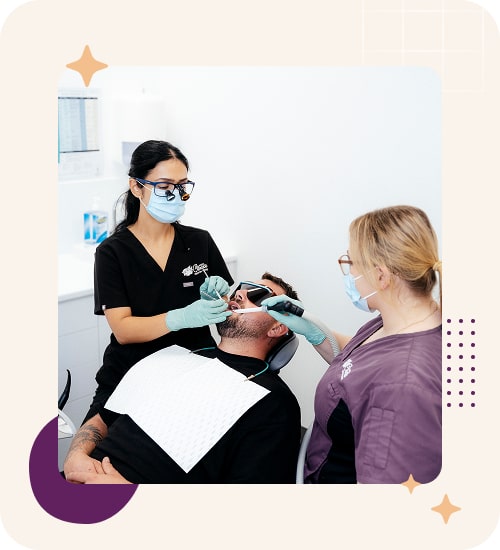
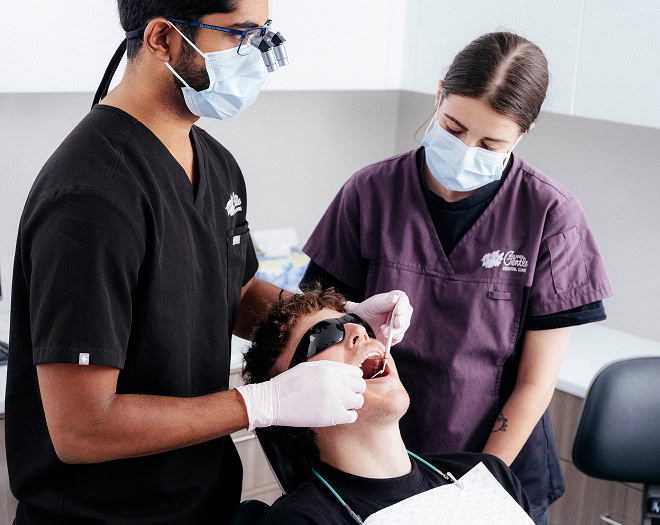
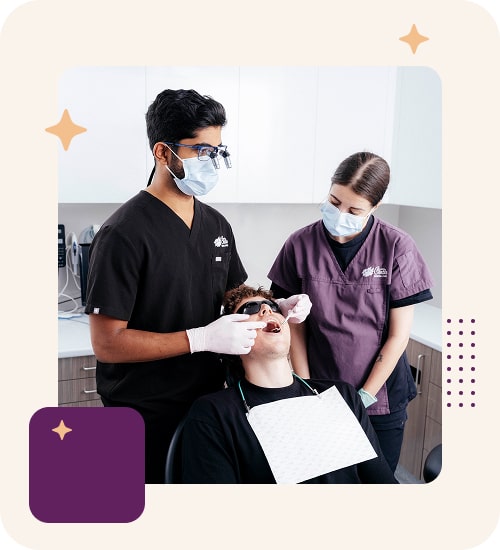
Two dental professionals examine a patient's mouth in a dental surgery.

Wisdom Teeth Extractions to Ease Discomfort and Support Long-Term Dental Health

Wisdom teeth can cause pain, crowding, or infections if they don’t erupt properly. Their removal reduces discomfort and prevents complications. It also supports long-term oral health without unnecessary disruption and helps maintain a healthier smile.

Find Out If You’re a Candidate for Wisdom Tooth Extraction

Not everyone needs their wisdom teeth removed. However, certain signs may indicate that extraction could help protect your oral health. If you’re experiencing any of the following, your dentist may recommend a closer look at your wisdom teeth:

  • You may be a candidate if you have partially erupted or impacted wisdom teeth, which can lead to discomfort or oral health complications.
  • If your wisdom teeth are placing pressure on neighbouring teeth or affecting your bite alignment, extraction may be recommended to prevent shifting and dental crowding.
  • Recurring pain, swelling, or infection around the back of the mouth may suggest that wisdom teeth are difficult to clean effectively, increasing the risk of complications.
  • Imaging may reveal decay or damage to neighbouring teeth, making you a candidate for early removal to prevent future issues.
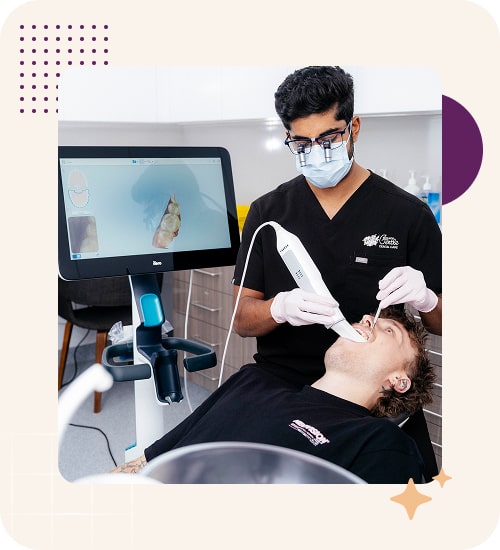
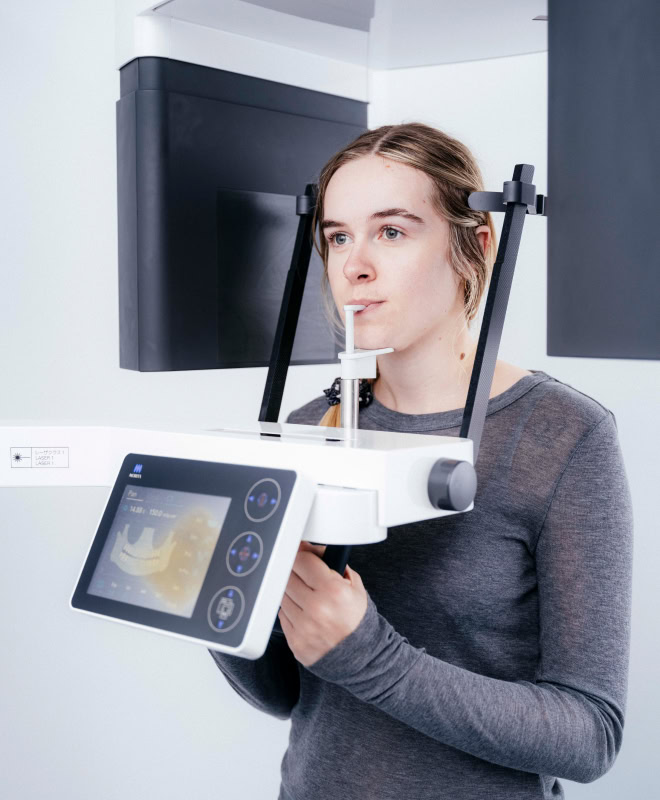
Person using dental imaging machine.
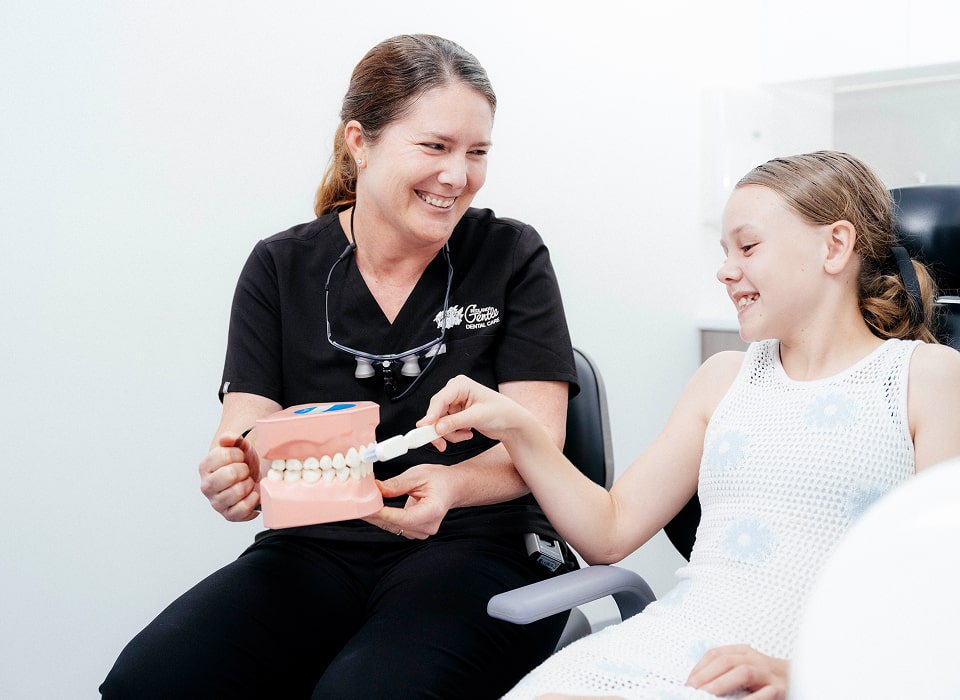
Dental professionals chatting with a patient

What Are the Benefits of Wisdom Teeth Removal?

If your wisdom teeth are causing trouble—or might in the future—removing them could make a real difference. Many people find it helps ease discomfort, protect their smile, and avoid problems that might otherwise develop later on.

  • Extraction helps prevent crowding and shifting, especially if wisdom teeth are pressing against adjacent molars.
  • Removing partially erupted teeth can minimise the risk of gum inflammation brought about by bacteria trapped under the gums.
  • Early removal of wisdom teeth may reduce the risk of cysts, decay, or other issues affecting surrounding teeth and jawbone.
  • For many people, removing problematic teeth can relieve persistent wisdom teeth pain and reduce the risk of further complications.
Redlands Gentle Dental Care

Keep Your Smile Healthy—Book Your Visit Now

A check-up today can make a big difference to your future dental health. We focus on gentle care, early detection, and practical advice that suits your lifestyle. Even small changes can support long-term results. Reserve a time for your next general dental appointment now.

We’re Here to Help

Learn How Wisdom Teeth Removal Can Help Manage Dental Concerns

Wisdom teeth don’t always come in smoothly. In some cases, they can lead to dental concerns like pain, crowding, or infection. Understanding these issues can help you decide whether removal might be the right step.

Our Payment Options

Find What Works for Your Financial Needs With Our Dental Payment Options

We understand that dental care costs can be a concern for many patients. Our clinic offers flexible payment plans to help you access the treatment you need without straining your budget. Here are your options:

Child Dental Benefits Schedule

Invest in your child's smile with the Child Dental Benefits Schedule (CDBS). This government program offers eligible families financial support for essential dental services, promoting good oral health habits from an early age.

The CDBS covers up to $1,095 over two years for basic dental care like check-ups, cleanings, and fillings for children aged zero to 17. Eligibility depends on Medicare status and specific government payments, making quality dental care more accessible to families.

Learn More

Dental Services for DVA Card Holders

Veterans deserve high-quality dental care, and the Department of Veterans' Affairs (DVA) program delivers just that. The program offers dental benefits that vary based on card type.

Gold Card holders receive comprehensive cover for clinically necessary treatments, from routine check-ups to advanced procedures. White Card holders are covered for dental care related to accepted service-related conditions or mental health needs. Our clinic proudly supports veterans by providing high-quality dental care to maintain their overall health.

Learn More

Humm

Simplify your dental care payments with Humm, a flexible financing option that lets you smile now and pay later. This interest-free payment plan allows you to spread the cost of your dental treatments over time, making essential care more accessible.

Humm is available for various dental services, from routine check-ups to more complex procedures. With instant approval and the ability to manage your account online, Humm helps you prioritise your oral health without financial stress.

Learn More

Zip

We offer Zip to help patients manage treatment costs. With credit limits between $1,000 and $50,000, eligible patients can select flexible repayment terms from three to 60 months, making it easier to manage costs.

Zip is ideal for anyone needing dental care without upfront costs. The user-friendly app allows you to track payments easily, so you can stay on budget while prioritising your oral health.

Learn More

SuperCare

With the help of SuperCare, eligible patients can release their superannuation funds early to access essential dental procedures. This option is suitable for families lacking sufficient health funds or available resources, covering services such as orthodontics, implants, and root canal therapies.

SuperCare's consultants guide you through the straightforward application process, simplifying what can often be complex. This service enables you to prioritise your family's oral health without the burden of upfront costs.

Learn More

AfterPay

Experience the convenience of dental care with Afterpay, allowing you to receive treatments now and pay later in four easy instalments over six weeks. This payment option is available to anyone over 18, a practical choice for adults looking to enhance and maintain oral health.

With no interest charges when payments are made on time, Afterpay promotes responsible budgeting. Payments are automatically deducted from your linked debit or credit card for a smooth experience.

Learn More

Bupa Preferred Provider

Enjoy exclusive benefits and hassle-free claims when you choose our clinic, a Bupa Preferred Provider, for your dental health needs. Our patients can access a comprehensive range of services, including check-ups and major procedures, often at reduced out-of-pocket costs.

Members First Ultimate also offers 100% back on two dental check-ups and cleans every six months, making regular oral care more affordable. Our partnership with Bupa allows you to receive quality care while maximising your benefits.

Learn More

HCF Preferred Provider

Experience affordable, high-quality dental care at Redlands Gentle Dental Care. As an HCF preferred provider, patients with eligible dental cover can access reduced out-of-pocket costs, no-gap services for selected treatments, and streamlined claims processing.

HCF members can take advantage of these benefits by choosing our clinic for their dental needs. Check your policy to understand covered treatments and annual limits, and let us help you achieve a healthier, brighter smile.

Learn More

nib Preferred Provider

Access professional dental care at our clinic, a trusted part of nib's First Choice network. As a nib Preferred Provider, we offer members the opportunity to receive quality dental care at agreed rates. This provides a transparent and straightforward experience for your dental needs.

Nib members benefit from reduced out-of-pocket costs and simplified claims processes at our clinic. To make the most of your cover, review your policy for applicable limits and service inclusions.

Learn More

Things to Know

Frequently Asked Questions

Thinking about wisdom teeth removal in Capalaba, but unsure where to start? These FAQs are here to make things easier.

Problems with wisdom teeth often develop when they are impacted, partially erupted, or growing at an angle. Here are a few signs that your wisdom teeth are problematic and may need attention:

  • You may feel tenderness, throbbing, or aching at the back of your mouth or jaw.
  • Swelling around the gums near your back molars can be a sign of irritation or infection.
  • It might become difficult or painful to open your mouth fully or chew comfortably.
  • You notice a bad taste or persistent bad breath, which may be caused by trapped bacterial plaque around the tooth.
  • In some cases, the pressure from the wisdom teeth may cause surrounding teeth to shift and lead to crowding.

If you are experiencing any of these symptoms, a dental consultation can help identify the cause and determine the most appropriate next steps.

Not all wisdom teeth require removal. If they are healthy, fully erupted, properly positioned, and not causing problems, they may be monitored instead of extracted. However, removal is often recommended when wisdom teeth are impacted, partially erupted, painful, or contributing to crowding, decay, or gum disease. A dental assessment, supported by X-rays, is the most reliable way to determine whether removal is necessary.

It is common to feel uncertain about the process of wisdom tooth extraction. Gaining an understanding of what to expect can help reduce anxiety and prepare you for your appointment. The procedure typically follows these steps:

  • Step 1:
    Your dentist will assess and explain the procedure. They’ll review your X-rays, talk you through the process, and answer any questions before starting.
  • Step 2:
    Anaesthesia is used to keep you comfortable. Local anaesthetic is applied to numb the area, so you’ll be awake but shouldn’t feel any pain.
  • Step 3:
    The tooth is gently removed using dental tools. If the tooth is partially or fully impacted, the gingiva is incised, and some bone may be reduced before lifting or sectioning the tooth for easier removal.
  • Step 4:
    Once the tooth is out, the site is cleaned. If necessary, the gum tissue may be closed with stitches. After which, you’ll be asked to bite down on a gauze to apply pressure to the extraction site.
  • Step 5:
    You’ll receive aftercare instructions, including guidance on caring for the extraction site, what to eat and how to manage any discomfort.

Wisdom tooth removal is a common dental procedure, and your dentist will talk you through each step from beginning to end.

Recovery can vary from person to person, but most people start feeling better within a few days. Here’s a general guide to what the recovery process may look like:

  • Day 1–2:
    You’ll likely feel some swelling, tenderness, or mild bleeding. Rest, soft foods, and following aftercare instructions are important.
  • Day 3–4:
    Swelling may peak and then begin to ease. You might feel more comfortable eating soft foods and moving around normally.
  • End of Week 1:
    Many people return to work or study. Stitches are removed if they are not absorbable, and most symptoms begin to fade.
  • Week 2 and beyond:
    Gum tissue continues healing. If there were no complications, you’d usually be back to your usual routine by now.

Healing timelines can differ, so it is important to follow your dentist’s instructions and seek advice if any concerns arise.

Mindful eating after wisdom teeth removal supports healing and enhances comfort during the initial recovery period. Understanding which foods to eat and which to avoid can make mealtimes easier and more manageable.

Recommended FoodsFoods to Avoid
Smooth soups (lukewarm, not hot)Crunchy snacks (chips, nuts, toast)
Yoghurt, custard, puddingSpicy or acidic foods (chilli, citrus fruits)
Mashed vegetables, soft scrambled eggsHard fruits and vegetables (apples, carrots)
Smoothies (without seeds or ice)Hot drinks or soups 
Ice cream or jelly (in moderation)Foods that require chewing near the extraction site

During the first few days, soft, cold, or lukewarm foods are generally easiest to eat. As healing progresses, your dentist will advise when to reintroduce firmer foods. Following both your body’s signals and your dentist’s guidance can facilitate a more comfortable recovery.

Wisdom teeth removal is generally well managed with modern techniques and anaesthesia. During the procedure, local anaesthetic numbs the area, so you should not feel pain, though some pressure or movement may be noticeable. After treatment, mild soreness, swelling, or tenderness is common for a few days, and your dentist may recommend pain relief medications and aftercare strategies to support recovery. Most patients find discomfort manageable and temporary, with symptoms easing significantly as healing progresses.

The cost of a wisdom tooth removal procedure in Capalaba depends on your specific case. Factors like the tooth’s position, the complexity of the procedure, and whether additional support is needed can all influence pricing. Your dentist will discuss your options before the procedure begins.

Here are common factors that may affect the total cost:

  • The position and condition of the tooth can affect the cost, whether it is fully erupted, partially impacted, or completely impacted in the jaw.
  • The total cost changes depending on how many wisdom teeth are being removed during the same appointment.
  • The type of anaesthesia or sedation used may vary based on your comfort preferences and the complexity of the procedure, and this can affect the cost.
  • Diagnostic imaging, such as X-rays or CBCT, may be required to assess the tooth’s position and surrounding structures.
  • Additional costs may apply if stitches or bone grafting are needed after tooth removal.

As a general guide, simple extractions usually range from $232 to $315 per tooth. Meanwhile, complex extractions may range from $518 to $1,180 per tooth. Your dentist will assess your case with a clinical exam and X-rays. After your consultation, you’ll receive a personalised dental plan and quote, so you’ll know what to expect before moving forward.

If you’re exploring affordable oral surgery options, such as wisdom teeth removal, your dentist can explain what costs to expect. They can also discuss available payment plans and whether your health fund may contribute.

Wisdom tooth extraction in Capalaba is a routine procedure performed for many patients every day. While most people recover without any issues, it’s helpful to be aware of the potential risks. It’s a good idea to know what to look out for during recovery from wisdom teeth extraction.

Here are some possible complications:

  • Swelling, bruising, or jaw stiffness is common and usually improves within a few days.
  • Minor bleeding may occur in the first 24 hours and usually subsides with proper aftercare measures.
  • Dry socket can occur if the protective blood clot is dislodged early, leading to delayed healing and temporary discomfort.
  • Infection may develop if food or bacteria enter the extraction site, though this is not common with proper care.
  • In rare cases, temporary numbness or tingling in the lip, chin, or tongue may occur, especially with lower wisdom teeth.

Your dentist will discuss these risks before the procedure and provide aftercare instructions to help facilitate a smooth recovery. Most patients recover well with rest, proper care, and follow-up if needed.

Swelling or tenderness is common in the first few days after wisdom tooth removal. However, there are simple ways to feel more comfortable and support recovery at home.
Here are a few care tips that may help:

  • Apply a cold compress to your cheek in short intervals during the first 24 hours to help ease swelling.
  • Eat soft, cold or lukewarm foods to avoid irritating the area and reduce pressure while chewing.
  • Keep your head slightly elevated when resting. This helps minimise swelling.
  • Use pain relief medication, particularly if discomfort is affecting meals or rest.
  • Avoid vigorous rinsing, spitting, or using straws for the first 24 hours to protect the extraction site.
  • After the first day, gently rinsing with warm saltwater can help keep the area clean and promote recovery.

Discomfort usually improves within a few days. If pain increases or swelling doesn’t subside, contact your dentist for further advice.

Whether all four wisdom teeth should be removed at the same time depends on your oral health, comfort, and treatment plan. For many patients, removing all four at once can be efficient, reducing the need for multiple surgeries and recovery periods. However, in some cases, your dentist may recommend staged removal of wisdom teeth—particularly if only certain teeth are problematic, or if health considerations make a single procedure less suitable. A thorough clinical assessment and diagnostic imaging will help determine the most appropriate approach for your situation.

Redlands Gentle Dental Care

Your Family's Dental Health Is Our Priority

Your nearby dentist is here to support your family's dental health with care you can trust. Our team provides services for every stage of life. Let us help keep your family's smiles bright and healthy.