Gentle Tooth Extractions in Capalaba for Healthier, Happier Smiles
Redlands Gentle Dental Care offers gentle tooth extractions in Capalaba. Our team supports your oral health with professional care and a compassionate, patient-first approach.
Why Choose Us
Why Redlands Gentle Dental Care Makes Tooth Extractions Less Stressful
Tooth removal doesn’t have to be overwhelming. At Redlands Gentle Dental Care, we prioritise comfort, clear communication, and supportive care before, during, and after your extraction—so you feel secure, informed, and in safe hands throughout.
A Calm, No-Rush Experience from Start to Finish
Clear Explanations So You Know What to Expect
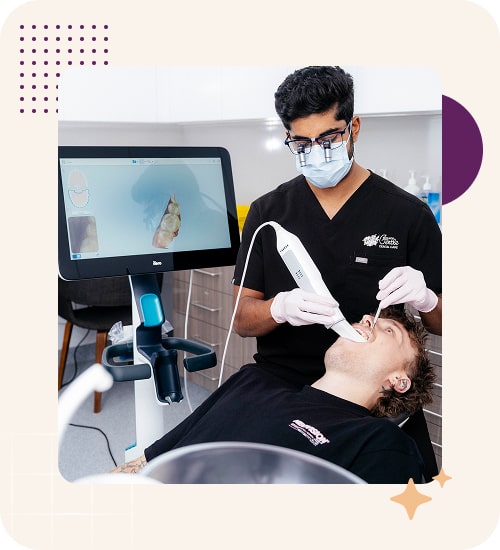
Local, Friendly Care That Focuses on Your Comfort
Supportive Aftercare and Guidance You Can Rely On
Professional Tooth Extractions to Help Protect Your Smile and Oral Health
A severely damaged or infected tooth can negatively impact your overall oral health. If not managed appropriately, it may lead to pain or other complications. A tooth extraction can help address this issue promptly by removing the source of infection inside the mouth and restoring balance to your oral health.
Understanding Which Patients May Need Tooth Extractions
Tooth extractions are recommended when preserving a tooth is no longer feasible due to damage or disease. This procedure is needed to prevent decay or infection from compromising adjacent teeth, gum health, or the outcome of future dental treatments.
- A tooth with extensive decay or structural damage may need to be removed. This situation often arises when restorations cannot maintain long-term function or comfort.
- Impacted or partially erupted wisdom teeth can lead to discomfort, infection, or misalignment and may require tooth extraction.
- Severe periodontal disease can damage the bone and gum structures supporting the teeth. This may lead to loosening of teeth and require removal to maintain oral health.
- Orthodontic treatment may require strategic tooth extractions to create space, improve bite alignment, and help achieve stable orthodontic outcomes.
Protect Your Smile and Oral Health with Timely Tooth Removal
Removing a compromised tooth can help reduce the risk of infection, protect adjacent teeth and soft tissues, and prevent complications. This approach promotes long-term oral health, improves comfort, and allows future dental treatments to proceed more effectively.
- Extraction helps prevent the spread of decay or infection that could affect nearby healthy teeth.
- Removing a problematic tooth may ease discomfort, improve chewing and speaking ability, and support overall oral function.
- Timely tooth removal may help prevent complications that could affect healing or delay future dental treatments.
- Extracting teeth that affect alignment may support better outcomes in future restorative or orthodontic care.
Take the Step Towards Lifelong Oral Wellness
How We Can Help
Discover How Tooth Extraction Can Support Your Oral Health
Tooth extractions may be recommended when significant decay, damage, or overcrowding places strain on adjacent teeth or surrounding tissues. Removal can also help prevent complications that could interfere with future dental treatment or affect long-term dental stability.
I Have a Dental Emergency
Our Payment Options
Find What Works for Your Financial Needs With Our Dental Payment Options
Child Dental Benefits Schedule
Invest in your child's smile with the Child Dental Benefits Schedule (CDBS). This government program offers eligible families financial support for essential dental services, promoting good oral health habits from an early age.
The CDBS covers up to $1,095 over two years for basic dental care like check-ups, cleanings, and fillings for children aged zero to 17. Eligibility depends on Medicare status and specific government payments, making quality dental care more accessible to families.
Learn MoreDental Services for DVA Card Holders
Veterans deserve high-quality dental care, and the Department of Veterans' Affairs (DVA) program delivers just that. The program offers dental benefits that vary based on card type.
Gold Card holders receive comprehensive cover for clinically necessary treatments, from routine check-ups to advanced procedures. White Card holders are covered for dental care related to accepted service-related conditions or mental health needs. Our clinic proudly supports veterans by providing high-quality dental care to maintain their overall health.
Learn MoreHumm
Simplify your dental care payments with Humm, a flexible financing option that lets you smile now and pay later. This interest-free payment plan allows you to spread the cost of your dental treatments over time, making essential care more accessible.
Humm is available for various dental services, from routine check-ups to more complex procedures. With instant approval and the ability to manage your account online, Humm helps you prioritise your oral health without financial stress.
Learn MoreZip
We offer Zip to help patients manage treatment costs. With credit limits between $1,000 and $50,000, eligible patients can select flexible repayment terms from three to 60 months, making it easier to manage costs.
Zip is ideal for anyone needing dental care without upfront costs. The user-friendly app allows you to track payments easily, so you can stay on budget while prioritising your oral health.
Learn MoreSuperCare
With the help of SuperCare, eligible patients can release their superannuation funds early to access essential dental procedures. This option is suitable for families lacking sufficient health funds or available resources, covering services such as orthodontics, implants, and root canal therapies.
SuperCare's consultants guide you through the straightforward application process, simplifying what can often be complex. This service enables you to prioritise your family's oral health without the burden of upfront costs.
Learn MoreAfterPay
Experience the convenience of dental care with Afterpay, allowing you to receive treatments now and pay later in four easy instalments over six weeks. This payment option is available to anyone over 18, a practical choice for adults looking to enhance and maintain oral health.
With no interest charges when payments are made on time, Afterpay promotes responsible budgeting. Payments are automatically deducted from your linked debit or credit card for a smooth experience.
Learn MoreBupa Preferred Provider
Enjoy exclusive benefits and hassle-free claims when you choose our clinic, a Bupa Preferred Provider, for your dental health needs. Our patients can access a comprehensive range of services, including check-ups and major procedures, often at reduced out-of-pocket costs.
Members First Ultimate also offers 100% back on two dental check-ups and cleans every six months, making regular oral care more affordable. Our partnership with Bupa allows you to receive quality care while maximising your benefits.
Learn MoreHCF Preferred Provider
Experience affordable, high-quality dental care at Redlands Gentle Dental Care. As an HCF preferred provider, patients with eligible dental cover can access reduced out-of-pocket costs, no-gap services for selected treatments, and streamlined claims processing.
HCF members can take advantage of these benefits by choosing our clinic for their dental needs. Check your policy to understand covered treatments and annual limits, and let us help you achieve a healthier, brighter smile.
Learn Morenib Preferred Provider
Access professional dental care at our clinic, a trusted part of nib's First Choice network. As a nib Preferred Provider, we offer members the opportunity to receive quality dental care at agreed rates. This provides a transparent and straightforward experience for your dental needs.
Nib members benefit from reduced out-of-pocket costs and simplified claims processes at our clinic. To make the most of your cover, review your policy for applicable limits and service inclusions.
Learn MoreHelpful Insights

Frequently Asked Questions
How long does it take to recover from a tooth extraction?
A dentist may recommend a tooth extraction if preserving the affected tooth is no longer viable. In some cases, removal is advised if the tooth’s condition may compromise surrounding oral structures. This decision is made following a thorough examination and dental imaging.
Common reasons for tooth removal may include the following:
- The tooth is extensively decayed and cannot be managed with a dental filling, crown, or other supportive approach.
- Advanced periodontal disease has resulted in significant bone or tissue loss, causing the tooth to become unstable.
- A tooth has fractured beneath the gum line, making it unsuitable for long-term retention or use.
- Crowding or limited space in the mouth can affect bite alignment or interfere with planned orthodontic care.
- An infection or abscess has developed, and other clinical options are unlikely to improve the condition effectively.
If you need dental extractions in Capalaba, a thorough consultation can help determine the most appropriate approach. At Redlands Gentle Dental Care, we offer professional guidance and compassionate care tailored to your unique needs.
Should I take a day off work after a tooth extraction?
Most of the time, we recommend taking the rest of the day off work after a tooth extraction. This allows you time to rest, manage any initial discomfort, and begin the healing process without added physical or mental strain. Avoiding strenuous activity during the first 24 hours helps reduce the risk of bleeding or delayed healing.
If your work involves physical exertion, extended talking, or public-facing duties, additional time off may be beneficial. Your dentist will provide specific post-procedure instructions tailored to the complexity of the extraction and your circumstances. Following these recommendations promotes a smoother recovery and reduces the likelihood of complications.
How soon can I eat after a tooth extraction?
Most patients can eat within a few hours, once the local anaesthetic has worn off completely. However, it’s crucial to wait until you regain full sensation to prevent accidental biting of the tongue or cheek. During this initial period, focus on rest and staying well hydrated.
When you do eat, choose soft, cold foods that require minimal chewing, such as yoghurt, mashed vegetables, or soup at room temperature. Avoid hot drinks, spicy foods, or anything crunchy that might irritate the extraction site. Following your dentist’s dietary advice helps protect the area and facilitates a more comfortable recovery.
When is dry socket no longer a risk?
Dry socket is a condition that can occur when the blood clot at the extraction site becomes dislodged or dissolves too early. This can expose underlying bone and tissues, leading to delayed healing and discomfort. It typically develops within the first three days following the extraction.
The risk of dry socket generally decreases after the initial healing phase, typically around seven days after the procedure. Following your dentist’s post-operative instructions—such as avoiding smoking, drinking through straws, or vigourous rinsing—can help minimise this risk. If you notice worsening pain or an unusual taste by the third or fourth day, contact your dentist for assessment.
Is tooth extraction painful?
This is one of the most common questions among patients considering the procedure. Most patients experience minimal discomfort during a tooth extraction. A local anaesthetic is used to numb the area, allowing the procedure to be completed comfortably. During the extraction procedure, patients typically report no pain, although they may feel some pressure or movement.
After the anaesthetic wears off, mild soreness or swelling is common for a few days. Over-the-counter pain relief medications, combined with following your dentist’s instructions, can help manage this condition effectively. If you have concerns about discomfort, your dentist can explain what to expect and recommend appropriate strategies for managing this stage of recovery.
How do you prepare for a tooth extraction?
Preparing for a tooth extraction involves several important steps to help promote a safe and comfortable procedure. Your dentist will walk you through each of these steps:
Attend a pre-treatment consultation:
Your dentist will assess the affected tooth and take diagnostic images. These will help determine whether extraction is appropriate for your condition.
- Disclose your medical history:
Inform your dentist about any medical conditions, allergies, or current medications, including any supplements you are taking. This helps avoid complications and allows appropriate planning. - Observe the pre-procedure guidelines:
You may be advised to avoid eating or drinking for a certain period before the procedure, especially if sedation is being used. - Arrange transport if required:
If you plan to undergo sedation, it is important to arrange for someone to accompany you and drive you home after the procedure. - Discuss aftercare and dietary needs:
Your dentist will provide detailed instructions for the recovery period. These will include instructions on suitable foods, managing discomfort, and caring for the extraction site.
By taking these precautions, you lower the risk of complications both during and after the procedure and contribute to a seamless extraction process. Knowing what happens during tooth extraction can also help you feel more confident and prepared on the day of the procedure.
Is it okay to extract a tooth while it’s still aching?
Yes, in many cases, a tooth can be extracted even if it is painful. Persistent pain may indicate significant decay or infection. If the tooth cannot be retained, removal may help alleviate symptoms and protect surrounding oral structures.
Your dentist will carefully examine your tooth and take diagnostic images to assess the severity of the problem. If severe facial swelling and fever are present, medication may be prescribed before proceeding. When timely care is required, gentle tooth removal can help manage discomfort while maintaining long-term oral health.
What foods should I eat after a tooth extraction?
After a tooth extraction, choosing the right foods can promote healing and help you avoid disturbing the site. Soft, cool, and easy-to-chew foods are generally recommended during the first few days of recovery.
Recommended options include the following:
- Mashed vegetables:
Soft options like pumpkin or potato are gentle on the extraction site and provide valuable nutrients. - Plain yoghurt or custard:
These require no chewing and can be soothing if served chilled or at room temperature. - Soup (lukewarm only):
Soups provide hydration and nourishment but should not be hot, as heat may dissolve the clot. - Oatmeal or porridge (cooled):
These are easy to swallow and can be eaten once the initial discomfort improves. - Fruit smoothies (without seeds):
Smooth, blended drinks offer vitamins and energy while being gentle on healing tissues.
Until your dentist confirms that your healing is progressing well, avoid foods that are hard, crunchy, spicy, or hot.
Can you drive yourself home after a tooth extraction?
If your procedure involves only local anaesthetic, you may be able to drive yourself home, provided you feel alert and comfortable. Many patients return home safely after a simple extraction. Driving may be considered safe once the effects of anaesthesia have subsided and the patient is no longer experiencing drowsiness or disorientation.
However, if the extraction involves sedation or general anaesthesia, you will require a companion to drive you home. These medications can impair coordination and reaction times, making it unsafe to operate a vehicle. Your dentist will advise you beforehand so you can make appropriate transport arrangements.
What are the risks of tooth extraction I should be aware of?
While tooth extractions are common procedures, like any dental treatment, they may carry some risks. Before making a choice, your dentist will discuss these things with you.
Potential risks may include the following:
- Dry socket:
This occurs if the blood clot protecting the site is dislodged, exposing the underlying bone and delaying healing. - Infection:
Bacteria may enter the site during or after the procedure, especially if aftercare instructions are not followed carefully. - Prolonged bleeding:
Some patients, especially those who previously took blood thinners, may have bleeding that lasts longer than 24 hours. - Swelling and bruising:
These are common during the initial recovery phase but usually subside with time and proper care. - Injury to nearby teeth or structures:
Rarely, the extraction process may cause damage to adjacent teeth, restorations, or nerves.
Your dentist will explain how to manage these risks and provide guidance to promote a safe recovery.
How is a surgical extraction different from a simple one?
A simple extraction is performed on a tooth that is fully visible and accessible above the gumline. The dentist loosens the tooth with instruments and removes it in a straightforward manner.
A surgical extraction is required when a tooth is not fully erupted, is broken at the gumline, or presents a more complex condition. This procedure may involve creating a small incision in the gum, removing a portion of bone, or sectioning the tooth into smaller pieces to allow for safe and complete removal.