Discover Confident Smiles Through Professional Cosmetic Dentistry in Capalaba
Experience. Care. Results.
What Makes Our Cosmetic Dentistry Team Trusted in Capalaba
Your smile is personal, and so is the experience we create around it. At Redlands Gentle Dental Care, we aim to create a comfortable experience by focusing on clear communication, gentle care, and individual needs. We want you to feel confident about your treatment, your results, and the team guiding you.
Personalised Smile Makeover Planning
OOver 40 Years Serving Redlands
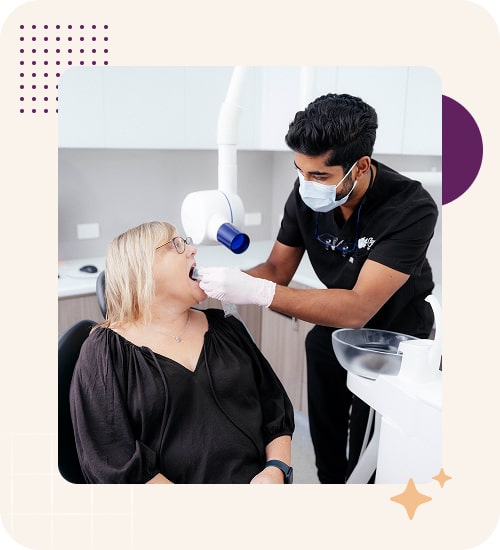
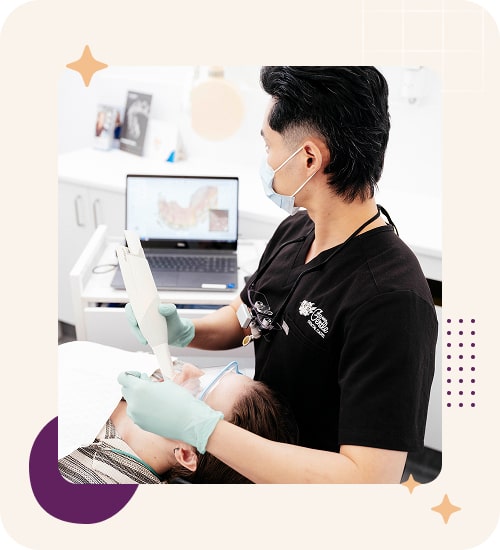
Advanced Dental Technology
Transparent Pricing and Payment Options
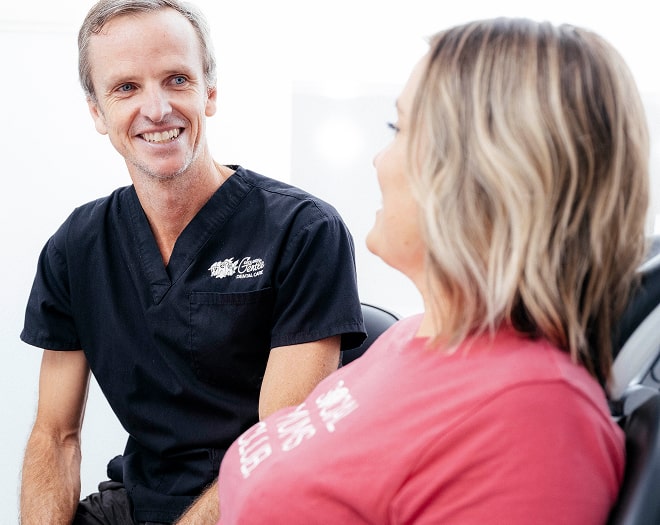
Enhancing Smiles and Boosting Confidence with Cosmetic Dentistry
Concerns like gaps, enamel wear, or uneven edges can affect how you feel about your smile. While they may seem minor, they can still impact your comfort or confidence. Cosmetic dentistry offers aesthetic treatments that enhance tooth shape, alignment, or colour. Treatment options are based on your goals, preferences, and oral health, providing a professional and personalised approach to dental care.
Two Convenient Locations
Quality Dental Services Made Accessible for Families in the Victoria Point and Capalaba Areas
Capalaba Dental Clinic
- (07) 3245 5511
- 149 Old Cleveland Rd Capalaba, QLD, 4157
- Free Parking Available
Victoria Point Dental Clinic
- (07) 3820 7777
- 2/1 Bunker Road, Victoria Point, QLD, 4165
- Free Parking Available
Cosmetic Treatment Options
Trusted Cosmetic Dentistry Services That Help Create Brighter Smiles
We offer cosmetic dental treatments in Capalaba that focus on both aesthetics and long-term oral health. Each option is tailored to your goals, comfort, and dental needs. Whether you’re after a subtle refresh or a full smile makeover, we’ll work with you throughout the process.
Achieve a Radiant Smile with Our Professional Teeth Whitening Services
Professional teeth whitening helps reduce surface stains caused by coffee, wine, or age-related enamel changes. Treatments are delivered using evidence-based products and are tailored by your dental professional to suit your enamel type and desired outcome.
Custom Take‑Home Whitening Kits Tailored to Suit Your Needs
Comprehensive Smile Makeovers Tailored to Your Unique Smile Goal
A smile makeover combines treatments tailored to your goals, facial features, and dental health. It’s planned collaboratively to reflect your preferences and priorities. The outcome aims to enhance appearance while also addressing function, balance, or structure where needed.
Take the First Step Towards a Brighter, Confident Smile
Improving Smiles
Common Dental Issues We Help Address with Cosmetic Dentistry
With our cosmetic dental treatments in Capalaba, we address concerns involving tooth colour, shape, or overall balance. Many patients seek care to improve aesthetics while maintaining function. Each procedure is tailored to your needs and planned with long-term oral health in mind.
Unhappy With My Smile
My Teeth Are Stained or Discoloured
I Want a Full Smile Makeover
Our Payment Options
Find What Works for Your Financial Needs With Our Dental Payment Options
Child Dental Benefits Schedule
Invest in your child's smile with the Child Dental Benefits Schedule (CDBS). This government program offers eligible families financial support for essential dental services, promoting good oral health habits from an early age.
The CDBS covers up to $1,095 over two years for basic dental care like check-ups, cleanings, and fillings for children aged zero to 17. Eligibility depends on Medicare status and specific government payments, making quality dental care more accessible to families.
Learn MoreDental Services for DVA Card Holders
Veterans deserve high-quality dental care, and the Department of Veterans' Affairs (DVA) program delivers just that. The program offers dental benefits that vary based on card type.
Gold Card holders receive comprehensive cover for clinically necessary treatments, from routine check-ups to advanced procedures. White Card holders are covered for dental care related to accepted service-related conditions or mental health needs. Our clinic proudly supports veterans by providing high-quality dental care to maintain their overall health.
Learn MoreHumm
Simplify your dental care payments with Humm, a flexible financing option that lets you smile now and pay later. This interest-free payment plan allows you to spread the cost of your dental treatments over time, making essential care more accessible.
Humm is available for various dental services, from routine check-ups to more complex procedures. With instant approval and the ability to manage your account online, Humm helps you prioritise your oral health without financial stress.
Learn MoreZip
We offer Zip to help patients manage treatment costs. With credit limits between $1,000 and $50,000, eligible patients can select flexible repayment terms from three to 60 months, making it easier to manage costs.
Zip is ideal for anyone needing dental care without upfront costs. The user-friendly app allows you to track payments easily, so you can stay on budget while prioritising your oral health.
Learn MoreSuperCare
With the help of SuperCare, eligible patients can release their superannuation funds early to access essential dental procedures. This option is suitable for families lacking sufficient health funds or available resources, covering services such as orthodontics, implants, and root canal therapies.
SuperCare's consultants guide you through the straightforward application process, simplifying what can often be complex. This service enables you to prioritise your family's oral health without the burden of upfront costs.
Learn MoreAfterPay
Experience the convenience of dental care with Afterpay, allowing you to receive treatments now and pay later in four easy instalments over six weeks. This payment option is available to anyone over 18, a practical choice for adults looking to enhance and maintain oral health.
With no interest charges when payments are made on time, Afterpay promotes responsible budgeting. Payments are automatically deducted from your linked debit or credit card for a smooth experience.
Learn MoreBupa Preferred Provider
Enjoy exclusive benefits and hassle-free claims when you choose our clinic, a Bupa Preferred Provider, for your dental health needs. Our patients can access a comprehensive range of services, including check-ups and major procedures, often at reduced out-of-pocket costs.
Members First Ultimate also offers 100% back on two dental check-ups and cleans every six months, making regular oral care more affordable. Our partnership with Bupa allows you to receive quality care while maximising your benefits.
Learn MoreHCF Preferred Provider
Experience affordable, high-quality dental care at Redlands Gentle Dental Care. As an HCF preferred provider, patients with eligible dental cover can access reduced out-of-pocket costs, no-gap services for selected treatments, and streamlined claims processing.
HCF members can take advantage of these benefits by choosing our clinic for their dental needs. Check your policy to understand covered treatments and annual limits, and let us help you achieve a healthier, brighter smile.
Learn Morenib Preferred Provider
Access professional dental care at our clinic, a trusted part of nib's First Choice network. As a nib Preferred Provider, we offer members the opportunity to receive quality dental care at agreed rates. This provides a transparent and straightforward experience for your dental needs.
Nib members benefit from reduced out-of-pocket costs and simplified claims processes at our clinic. To make the most of your cover, review your policy for applicable limits and service inclusions.
Learn MoreWhat Patients Often Ask Us

Frequently Asked Questions
Wondering if cosmetic dentistry is right for you? Many people have questions about how the different treatments work, what they involve, and who they’re suited for. This section answers some common queries about cosmetic dental care.
Is cosmetic dentistry beneficial for oral health?
Cosmetic dentistry is often associated with enhancing the appearance of your smile, but certain treatments can also improve long-term oral health. When carefully planned, cosmetic procedures can contribute to better aesthetics, function, hygiene, and structural integrity.
Some ways cosmetic dentistry may benefit your oral health include the following:
- Improved tooth alignment:
Treatments like Invisalign can reduce crowding or gaps, making it easier to clean between teeth and along the gumline. This can lower the risk of plaque buildup, gum inflammation, and decay in hard-to-reach areas. - Restoration of worn or chipped teeth:
Procedures like cosmetic fillings or veneers can restore worn edges and improve bite contact. Restoring the shape and structure of affected teeth helps distribute pressure evenly and reduces the risk of further wear or chipping. - Reduction of surface stains:
Professional whitening removes external discolouration caused by food, drink, or lifestyle factors. Cleaner tooth surfaces are usually less prone to plaque accumulation, contributing to better overall oral hygiene. - Replacement of missing teeth:
Smile makeovers may involve restorative options like dental implants or bridges. Replacing missing teeth can improve chewing function, reduce strain on neighbouring teeth, and prevent unwanted movement or shifting. - Motivation to maintain dental care:
Patients often feel more motivated to maintain their smile after cosmetic treatment. A more balanced and refreshed appearance can lead to better hygiene habits and more regular dental visits for continuous care.
How can I improve the appearance of my teeth?
Improving the appearance of your teeth starts with understanding what you’d like to change. Cosmetic dentistry offers a range of personalised treatments that may help enhance your smile, depending on your dental health and goals. Below are common concerns and ways they can be addressed through cosmetic dental care:
- Stained or discoloured teeth:
Teeth can become stained over time due to food, drinks, smoking, or natural ageing. Professional in-chair whitening treatments may help remove surface stains and brighten the shade of your teeth. Results and suitability can vary depending on the type of staining. - Yellowing or uneven tooth shade:
If you prefer a more gradual or flexible approach to whitening, custom take-home whitening kits may be recommended. These kits include trays made to fit your teeth and a dentist-approved whitening gel, allowing for controlled, even results at home with professional guidance. - Chipped, worn, or uneven teeth:
Small chips, worn edges, or misshapen teeth can sometimes affect how your smile looks. Cosmetic treatments like composite bonding or dental veneers may be used to create a more balanced appearance by reshaping or covering the affected areas. Your dentist will assess whether these options are suitable based on the condition of your teeth and bite. - Multiple aesthetic concerns:
If you have more than one cosmetic concern—such as staining, misalignment, or spacing issues—a comprehensive smile makeover may be recommended. This involves planning a combination of treatments tailored to your facial structure, dental condition, and desired outcome. Each smile makeover plan is customised after a detailed consultation and examination.
Will my cosmetic dental treatments look natural?
Cosmetic dental treatments are often designed to look as natural as possible. How realistic they appear depends on the treatment involved, the materials used, and your smile. The goal isn’t to create a completely new look but to enhance what’s already there in a subtle way.
Here’s how cosmetic dentistry can help your teeth look natural:
- Tooth-coloured materials:
Modern veneers, bonding, and dental crowns for aesthetics are made from ceramics and resins that reflect light like natural enamel. - Custom colour matching:
Dentists use shade guides and digital tools to match the shade or colour of your restorations to your surrounding teeth, helping them blend in. - Treatment planning around your features:
Your dentist considers your teeth, gumline, bite, and how your lips move when you speak or smile. - Smile previews:
Digital tools and mock-ups can provide a simulation of how your smile may look after treatment. - Minimal change to natural teeth:
Wherever possible, the treatment preserves your natural tooth structure for a more authentic feel and look.
If you’re considering cosmetic dentistry in Capalaba, our team can walk you through what to expect. We’ll help you decide on an approach that feels right for you.
Is a smile makeover worth it?
A smile makeover can be a meaningful investment—personally, emotionally, and financially. But whether it’s worth it depends entirely on your goals and expectations.
Here are key factors to help you decide:
- What you’re hoping to change:
Do you feel self-conscious about chipped teeth, staining, or gaps? If these concerns regularly affect how you feel or interact with others, a makeover could have a positive impact on your confidence. - How your smile affects your daily life:
Some people feel held back socially or professionally because they’re unhappy with how their teeth look. For those individuals, addressing cosmetic concerns may feel like a valuable step forward. - Whether cosmetic changes also support function:
Some cosmetic treatments do more than improve appearance. They may also restore worn teeth, promote better bite function, or replace old dental restorations, adding practical benefits as well. - Your overall oral health:
A healthy mouth is the foundation for any cosmetic work. If you attend regular check-ups and your teeth and gums are in good condition, you may be ready to explore cosmetic options. - Your comfort with the investment:
A smile makeover can involve multiple treatments, so it’s worth considering whether the potential benefits align with the time, effort, and cost involved.
What is the difference between cosmetic and restorative dentistry?
Cosmetic and restorative dentistry often work together, but they’re not the same. While both aim to improve your teeth, they differ in purpose, outcome, and when they’re recommended. Understanding the distinction can help you feel more confident and clear about decisions related to your dental care.
Here’s how they differ:
- Purpose of treatment
- Restorative dentistry is used when a tooth has lost strength or function due to damage or wear. The goal is to restore its stability and use.
- Cosmetic dentistry is focused on changing how teeth look—whether it’s the shape, colour, alignment, or overall appearance of your smile.
- Focus
- Restorative procedures aim to make it easier to chew, speak, and maintain everyday comfort with your teeth.
- Cosmetic procedures are chosen by patients who want their teeth to look whiter, straighter, more even, or better looking.
- Types of treatments
- Restorative dentistry includes procedures like fillings, crowns, bridges, and implants, which are used when teeth are worn down or missing.
- Cosmetic dentistry includes options like whitening and veneers, which are used to enhance the smile’s appearance.
- Reason for treatment
- Restorative care is usually recommended when there’s a functional issue that affects your bite or long-term dental health.
- Cosmetic treatment is often optional and chosen for aesthetic reasons once your teeth and gums are healthy.
Is Invisalign considered cosmetic treatment?
Invisalign can be both a cosmetic and a functional dental treatment. Many people choose it for aesthetic reasons, such as straighter teeth or a more even smile. However, in some cases, it also helps with bite alignment and oral function. Whether it’s considered cosmetic depends on your needs and goals.
Here are some of the cosmetic benefits Invisalign may offer:
- Subtle appearance during treatment:
Invisalign aligners are made from clear plastic, so they’re less noticeable than metal braces. They are often preferred by adults or teens seeking a more discreet treatment option. - Improved smile symmetry:
As Invisalign gradually shifts your teeth into better alignment, it can improve the balance of your smile. This can make your teeth appear more evenly spaced and aligned from different angles. - Closing small gaps or spacing:
Invisalign is effective for closing small spaces between teeth. Closing these gaps can create a cleaner, more uniform look, often enhancing how your smile appears in photos or everyday conversation. - Enhanced confidence:
Many people feel more confident as their smile improves during Invisalign treatment. The clear aligners allow for visible progress without drawing attention, which can make patients feel more comfortable socially or at work. - No brackets or wires:
Since Invisalign doesn’t use brackets or wires, your natural teeth remain visible during treatment. This makes it a preferred option for those who want to maintain a natural-looking smile while undergoing orthodontic care.
Are cosmetic dentistry procedures painful?
Cosmetic dental treatments are generally well tolerated, but it’s normal to wonder what certain procedures might feel like. Below are common sensations that some patients experience during or after treatment:
- Pressure:
A sense of pressure or vibration can occur during procedures like veneers or crowns, especially when teeth are being shaped or polished. Local anaesthetic may be used to help you stay comfortable. - Tingling or zinging:
Whitening treatments may cause a tingling or zinging sensation in the teeth, especially if you’re prone to sensitivity. This feeling is usually short-lived. - Tightness:
When starting a new set of clear aligners (such as Invisalign), you may notice a feeling of tightness. This often settles within a few days as your teeth adjust. - Tenderness:
Procedures involving the gums, such as contouring, can lead to mild tenderness as the tissue heals. Your dentist will recommend standard aftercare or over-the-counter relief options. - Sensitivity to hot or cold:
After whitening or veneer placement, some people experience sensitivity to temperature changes. This usually eases as your teeth settle.
If you have questions about how a procedure might feel, our team is here to help. We offer cosmetic dentistry in Capalaba that prioritises comfort, keeping you at ease throughout your treatment.
How can I maintain my teeth after undergoing cosmetic procedures?
After investing time and care into cosmetic dental treatments, it’s important to maintain them with consistent habits. While different procedures may last for varying lengths of time, your daily routine can help sustain both appearance and function.
Here are some practical ways to care for your smile after cosmetic treatment:
- Brush gently but thoroughly:
Use a soft-bristled toothbrush and fluoride toothpaste to clean twice a day. A gentle brushing technique can help preserve veneers, bonding, and natural enamel. - Floss or use interdental tools daily:
Cleaning between your teeth helps prevent plaque buildup and maintains both natural and restored surfaces. - Be mindful of staining foods and drinks:
Coffee, red wine, tea, and certain sauces may contribute to surface staining. Using a straw or rinsing with water afterwards can help reduce discolouration. - Wear a night guard if recommended:
If you grind or clench your teeth during sleep, a dentist-prescribed night guard can protect restorations and minimise excess pressure. - Avoid using your teeth to open or bite objects:
Biting your nails, opening packets, or chewing on pens can put undue pressure on cosmetic work and natural tooth edges. - Schedule regular check-ups and professional cleans:
Regular dental visits allow for early detection of wear and help keep your smile fresh and well-maintained.
Is cosmetic dentistry expensive?
It’s common to have questions about the cost of cosmetic dental care. Understanding what contributes to pricing differences may help you feel more prepared before discussing options with your dentist.
Here are some factors that may influence the overall cost:
- Type of procedure:
Some cosmetic options, such as in-chair whitening, usually involve fewer appointments and lower material costs. Others, such as veneers, ceramic crowns, or aligner systems, require more planning and lab work, which increases the overall price. - Number of teeth involved:
The treatment of one or two teeth is usually less costly due to the use of fewer materials and shorter chair time. In contrast, full smile transformations often involve more teeth, requiring more appointments, detailed planning, and higher laboratory fees. - Material selection:
Options like layered ceramics tend to cost more due to their durability and lifelike appearance. Composite resin is generally more affordable but may not last as long. Custom shade-matching or high-end finishes can also add to the overall cost. - Any pretreatment procedures needed:
If your dentist identifies active dental conditions (like gum inflammation, bite issues, or decay), these may need to be addressed first. This can add to the timeline and cost. - Location:
Fees often vary depending on whether the dentist or clinic is based in a metropolitan, regional, or high-demand area. For example, a smile enhancement dentist in Capalaba may offer lower pricing than in major cities, where demand and overhead costs are higher. - Dentist’s experience and reputation:
A dentist with advanced training or years of experience may charge higher fees. This often reflects the demand for their services and the quality of care they provide. - Technology and materials used:
The use of digital scanners, smile design software, or 3D printing can add to treatment costs. Working with advanced dental laboratories may also increase fees due to their precision and custom work. - Timeline and staging:
Some treatment plans are completed over several appointments or months, which can help patients plan financially.
Are cosmetic dentistry services covered by health funds?
In many cases, health funds do not include cosmetic dental procedures unless there’s an assessed clinical reason. However, fund rules vary, and it’s important to check directly with your provider to see what your plan may allow.
Here are some steps that may help:
- Look through your policy documents:
Your health fund’s website or policy guide may list which dental services are part of the plan and which are not. - Ask your dentist for item numbers:
Your dentist can provide specific dental item codes related to the treatment you’re considering. These are helpful when making enquiries with your fund. - Contact your health fund directly:
Call or email them with the item codes and ask whether they allow for any portion of the proposed treatment. They can also let you know if anything further is needed to assess your eligibility. - Clarify any limits or waiting periods:
Some plans may restrict how often certain dental items are included or may exclude elective procedures entirely. Ask your fund what applies in your case. - Request written clarification:
If possible, ask your fund to confirm their response in writing so you can refer back to it before proceeding with treatment.